CLAY STUDIO LEIDEN GALLERY
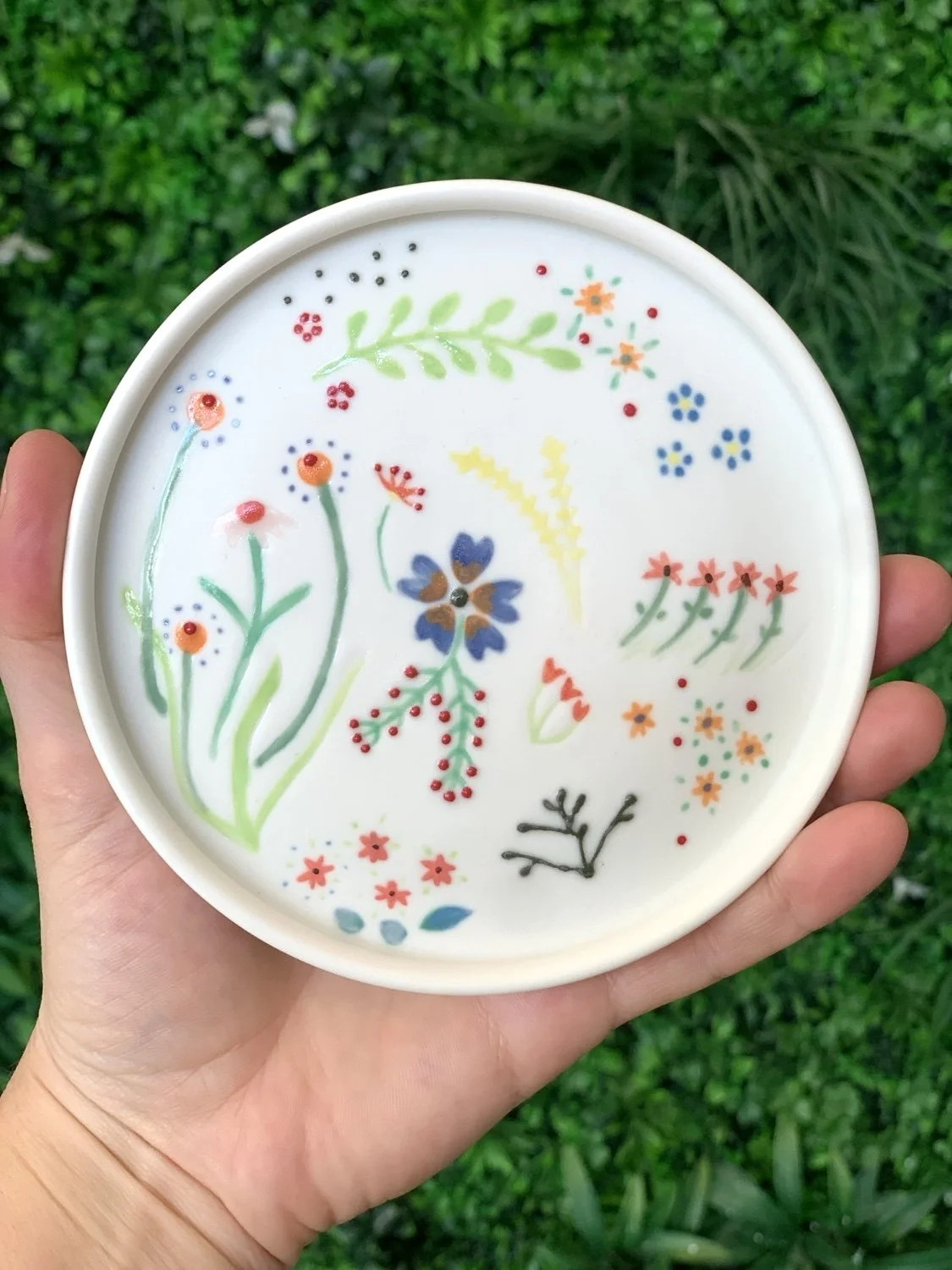
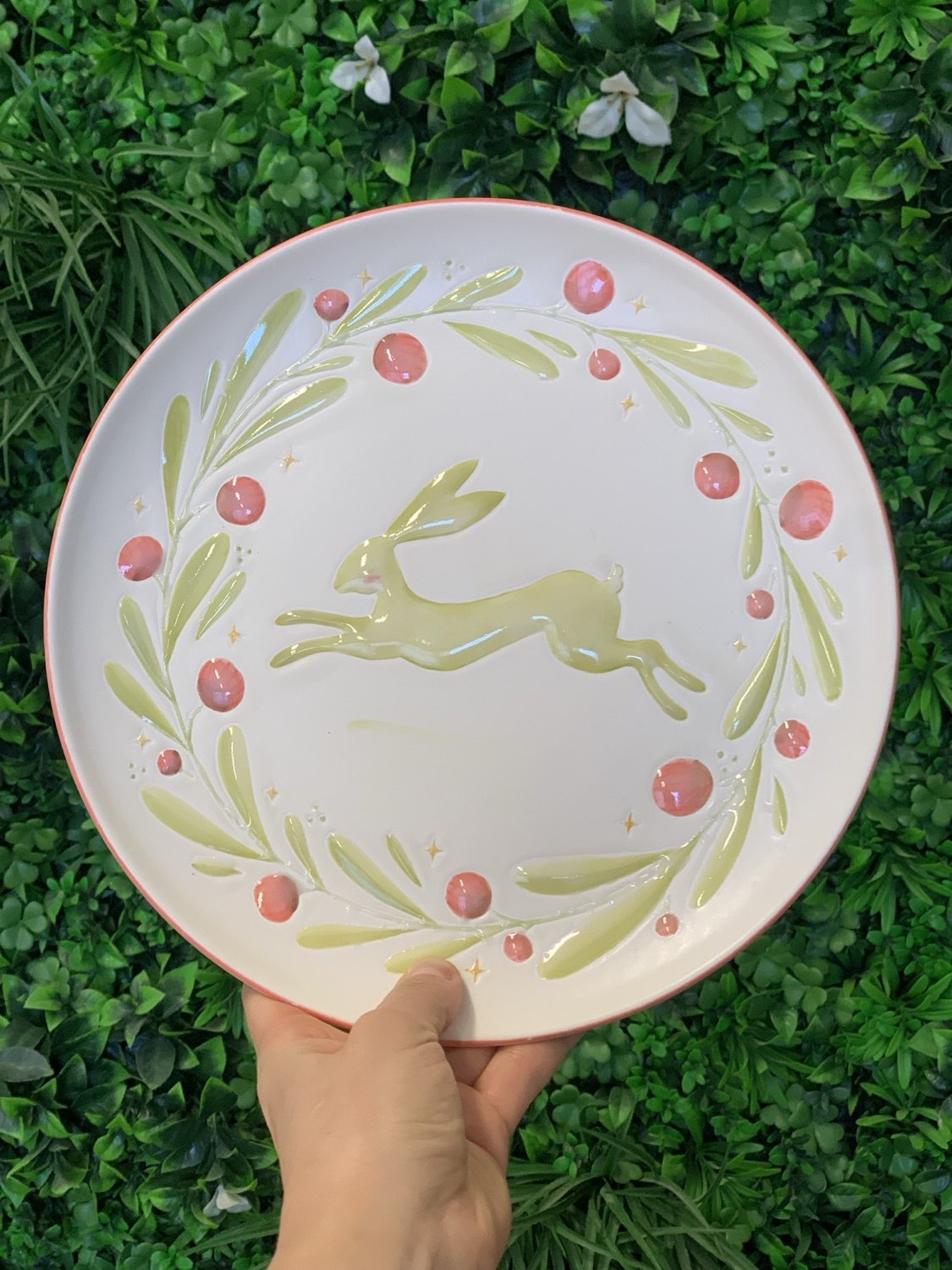
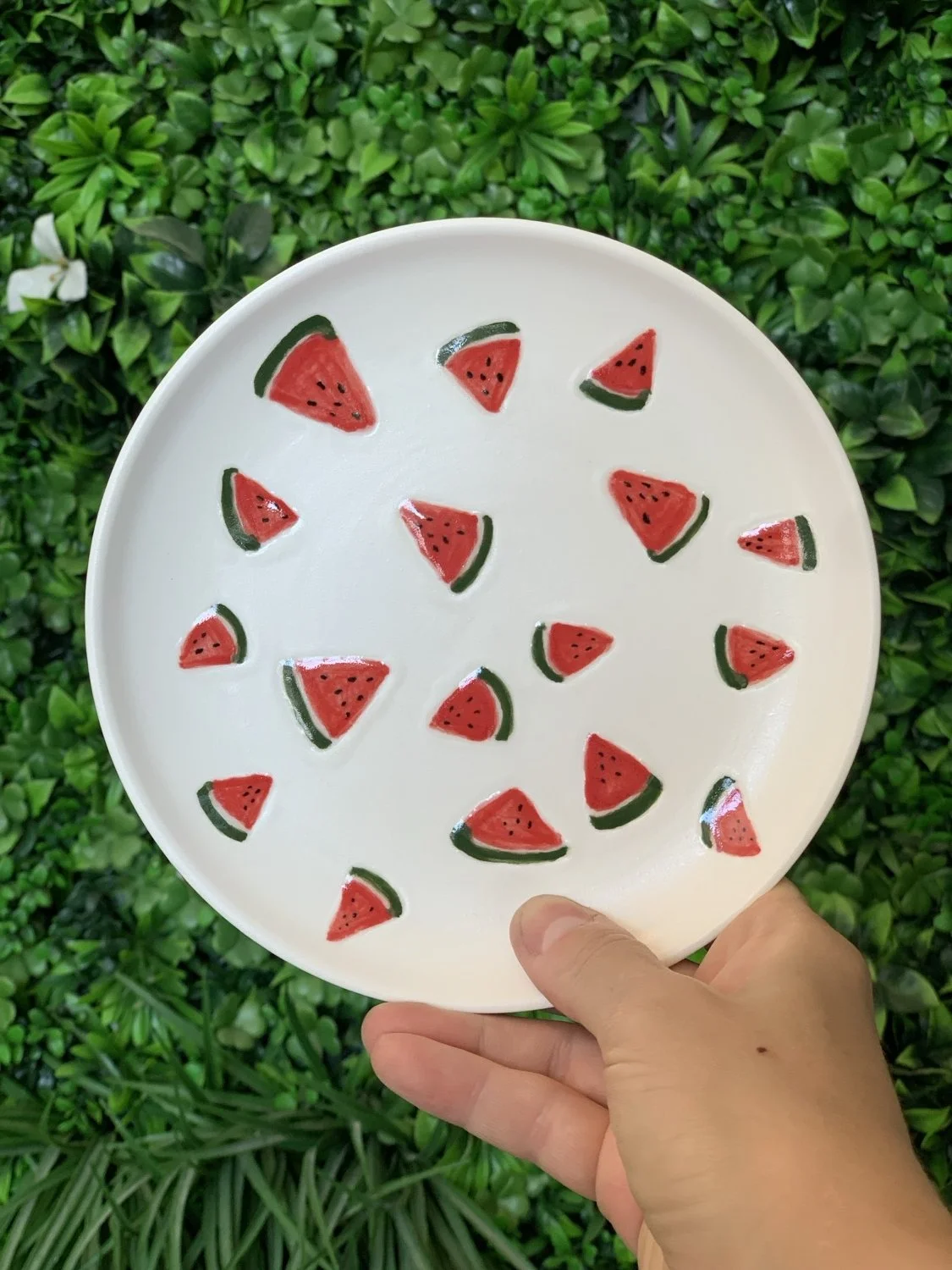
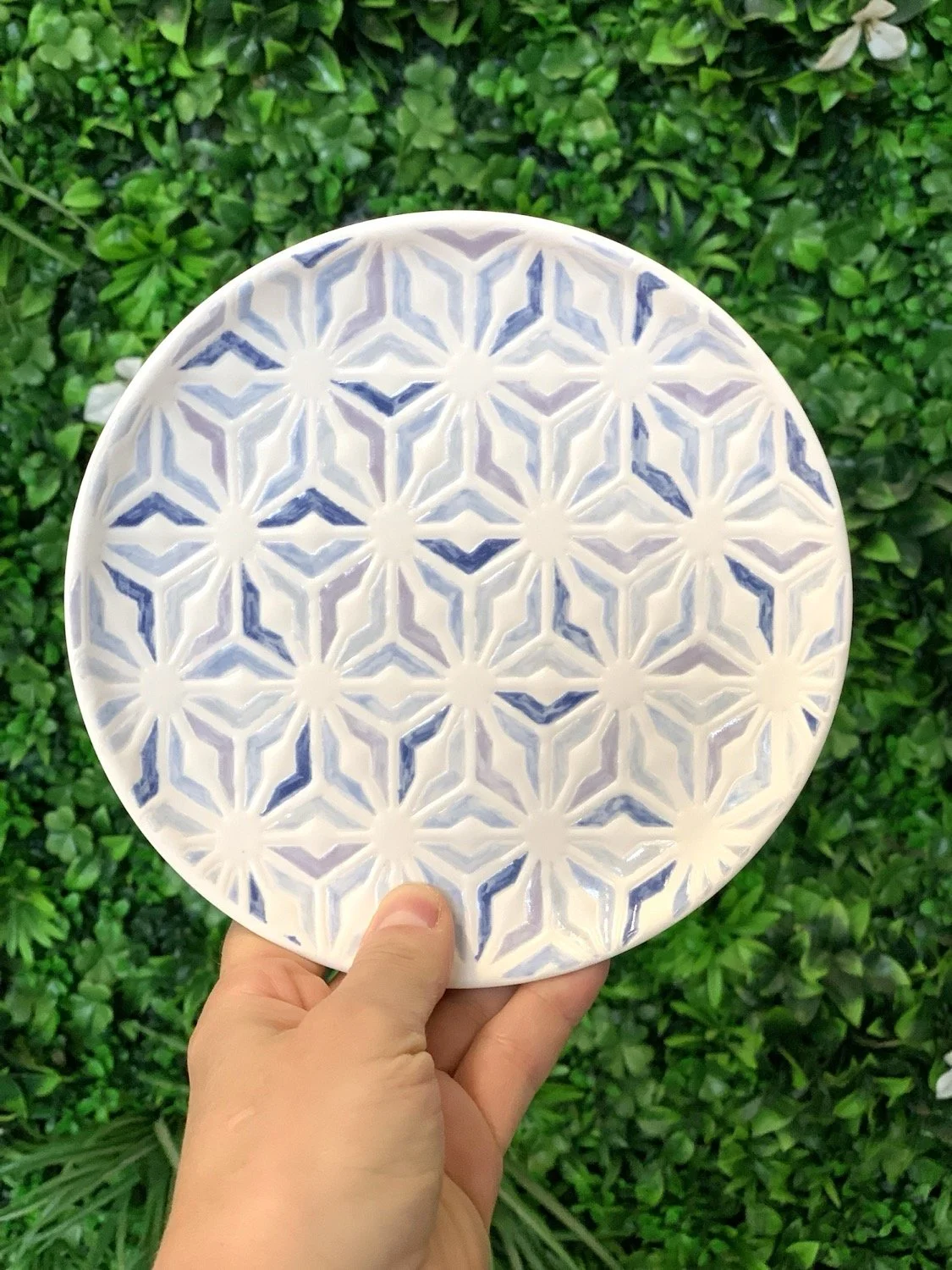
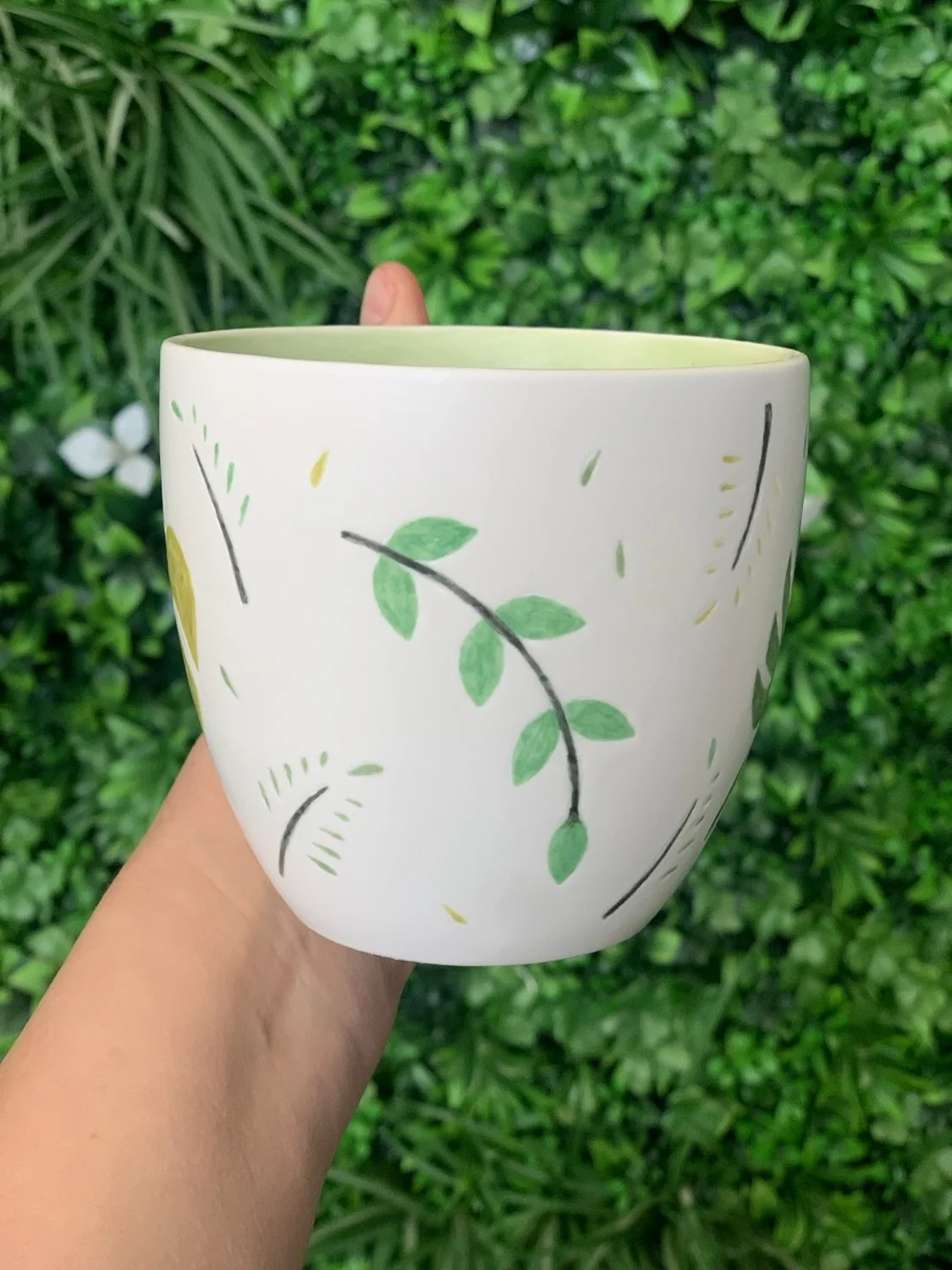
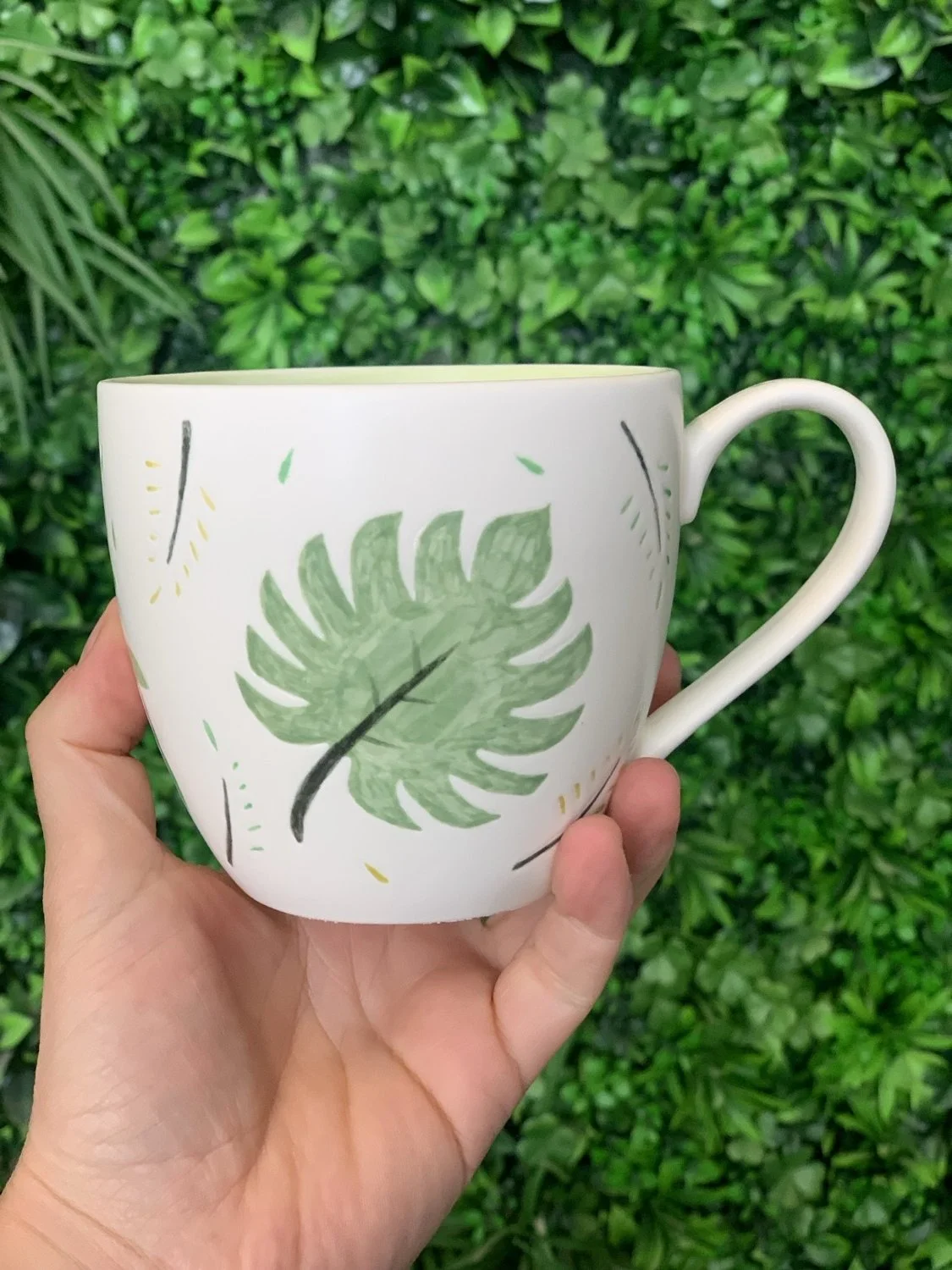
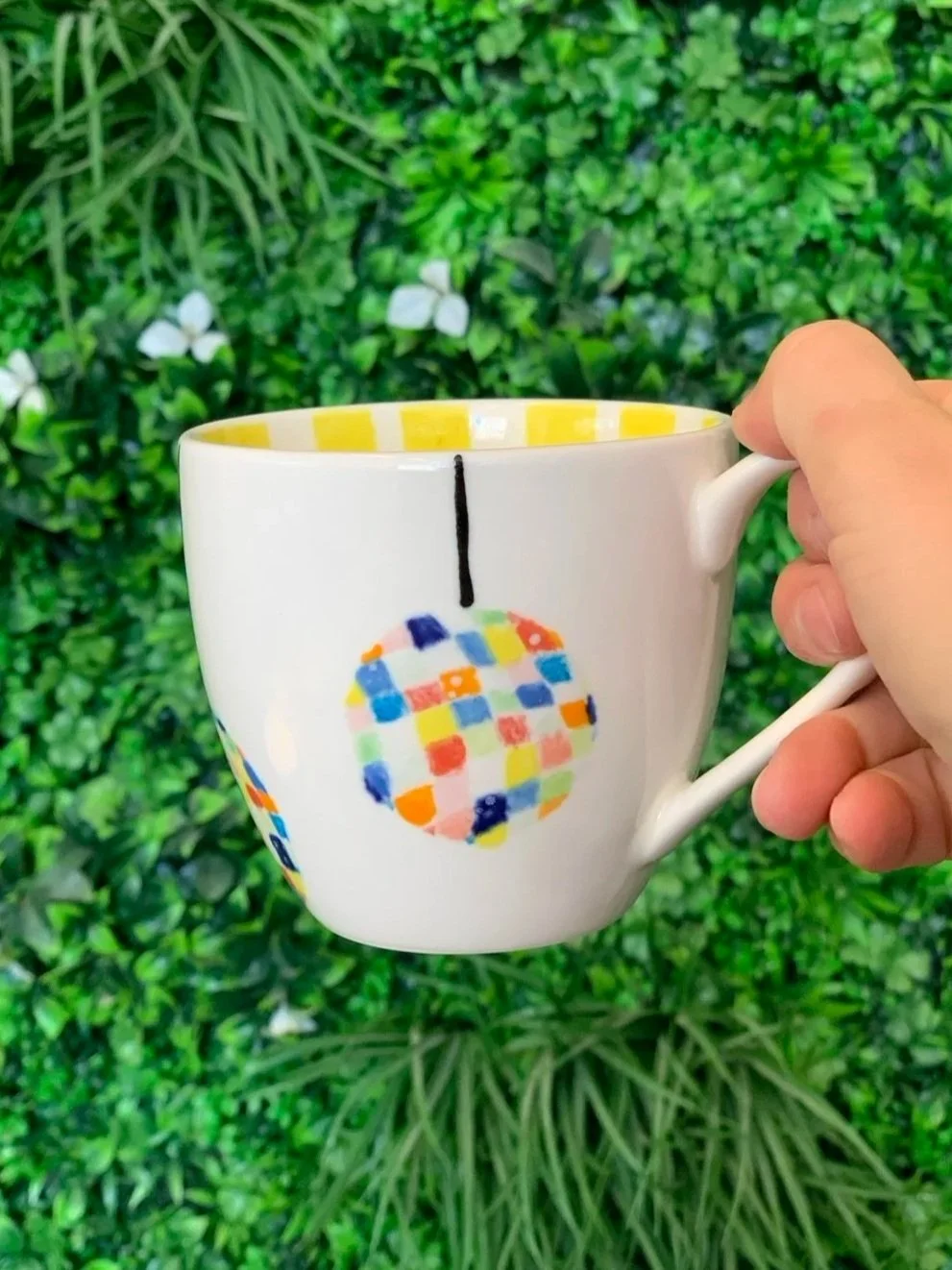
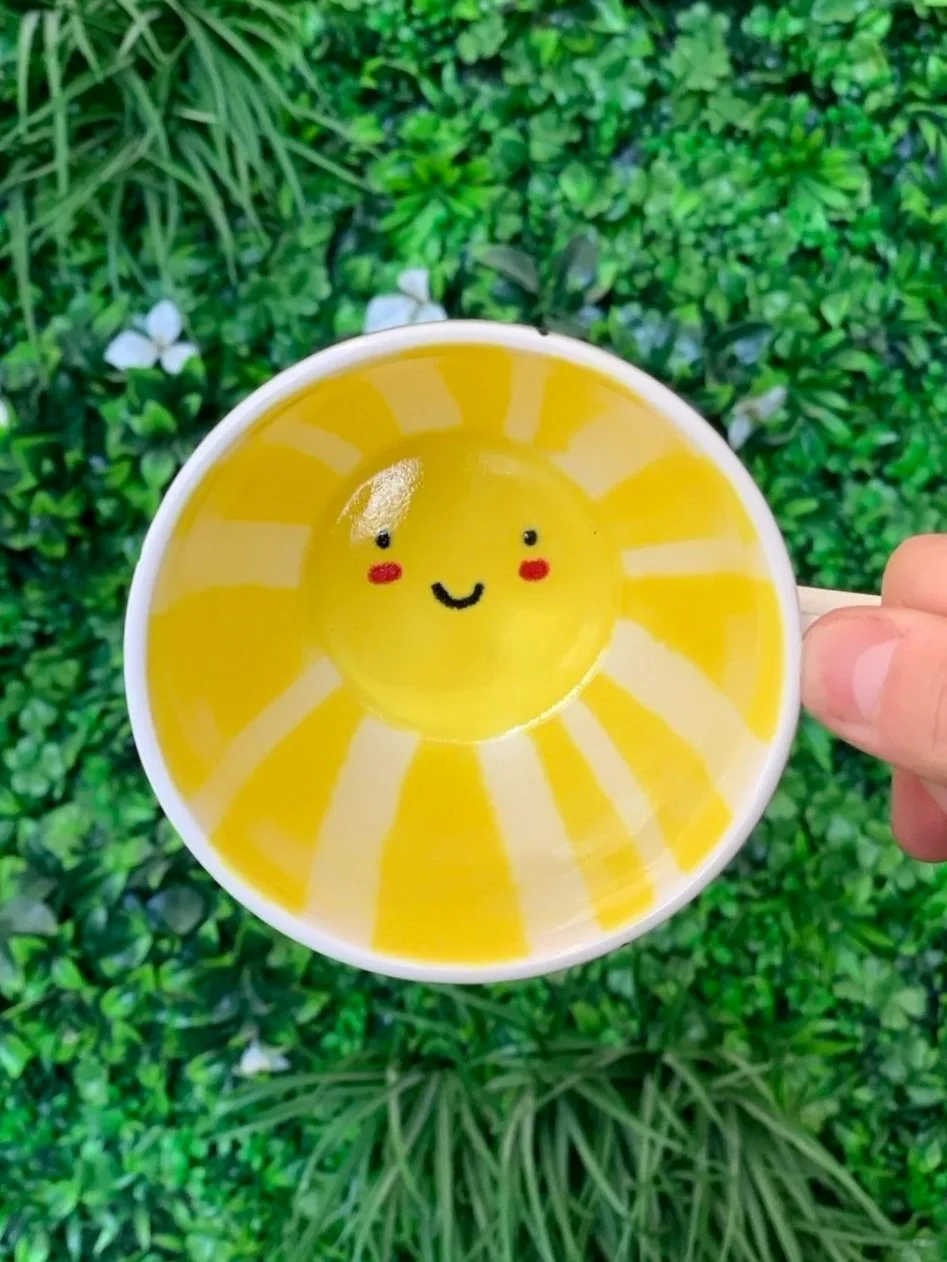
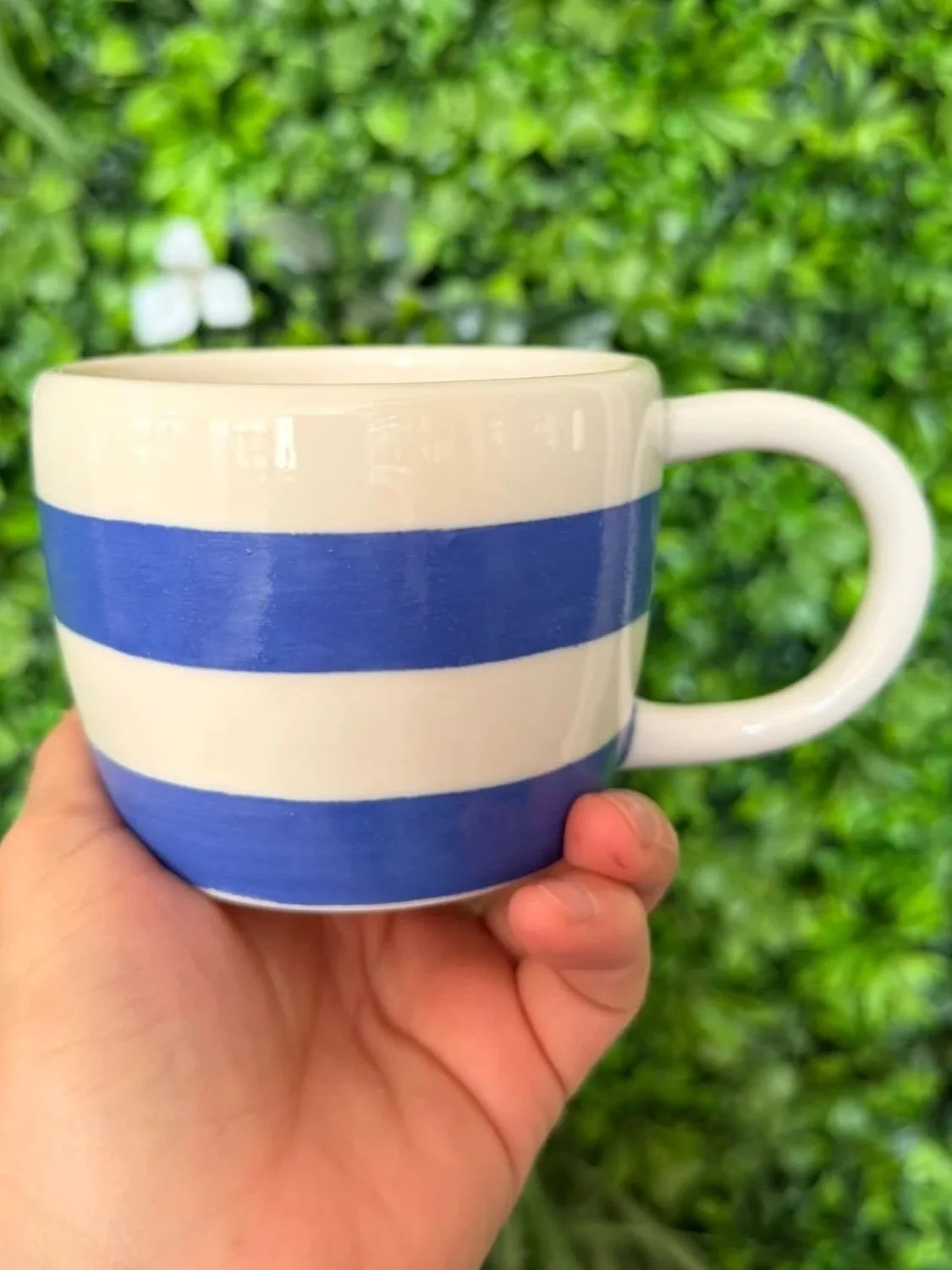
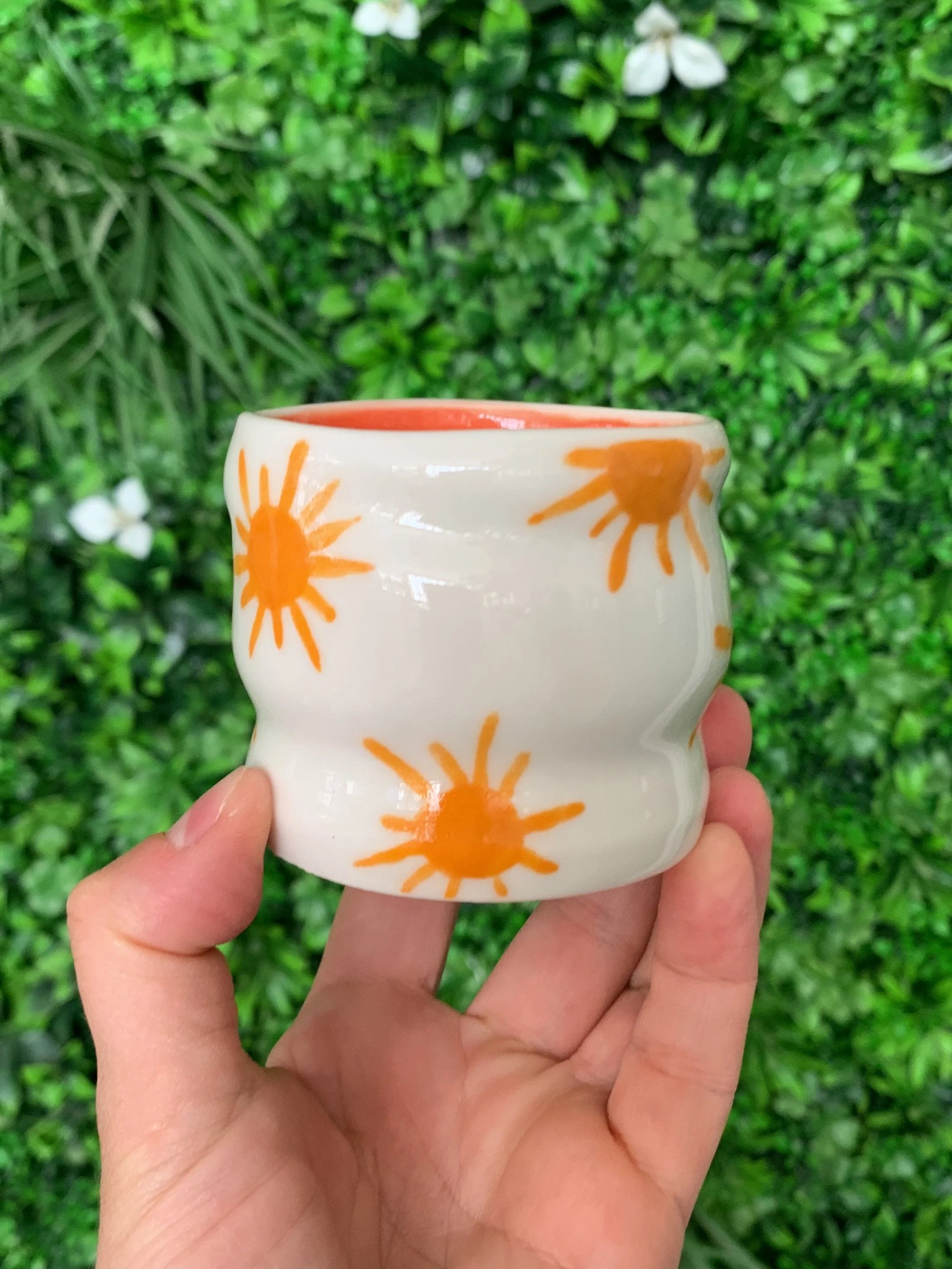
Below are three galleries showing examples of the painting techniques we teach - glazing; underglazing; and wax resist.
All three techniques are perfectly suitable for beginners who do not think of themselves as creative.
The galleries are listed in order of the level of difficulty and patience required to achieve the results you see in the photos going from simple to complex.
All pieces are finished with non-toxic, food-safe, microwave-safe and dishwasher-safe glazes.
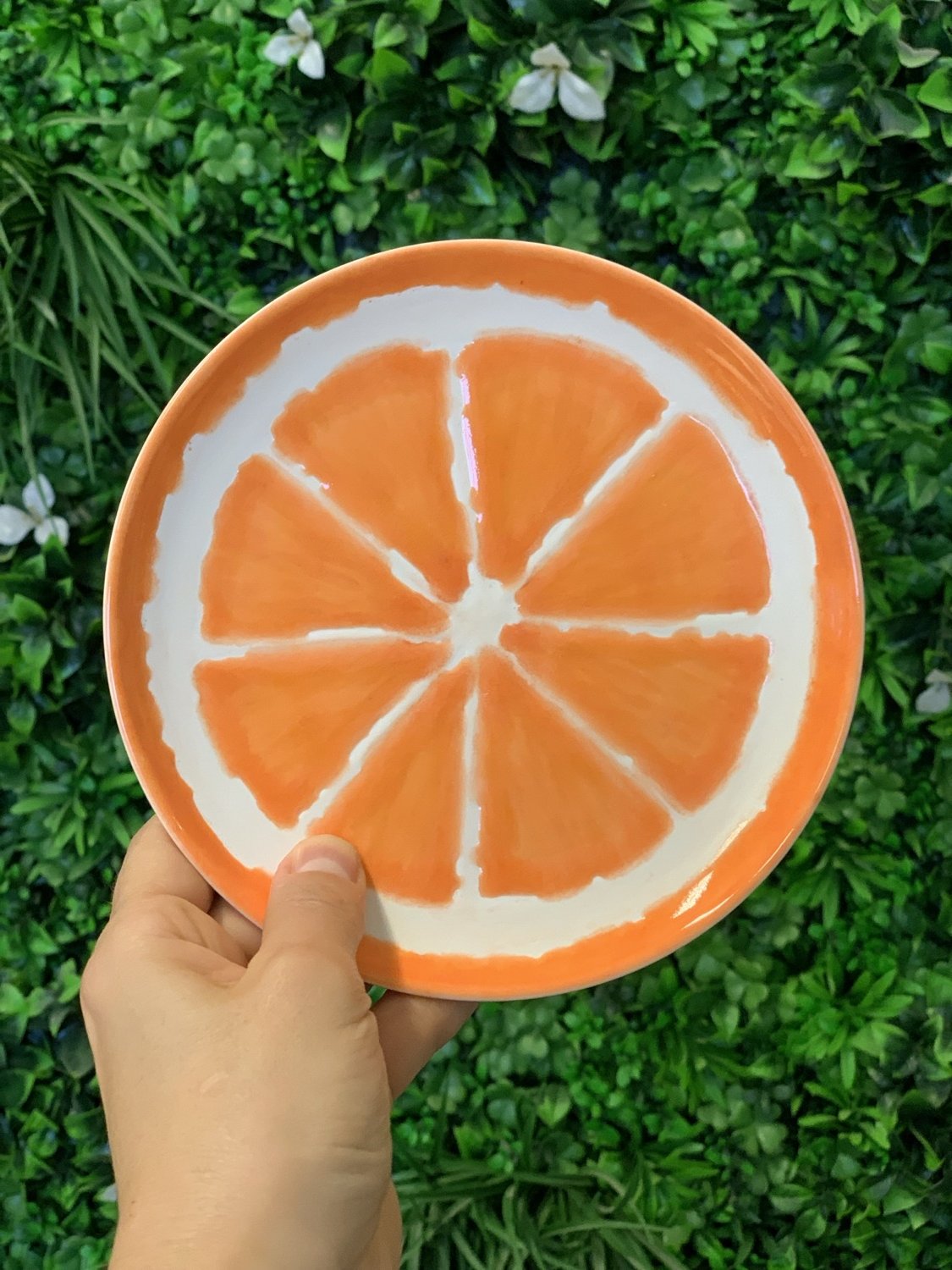
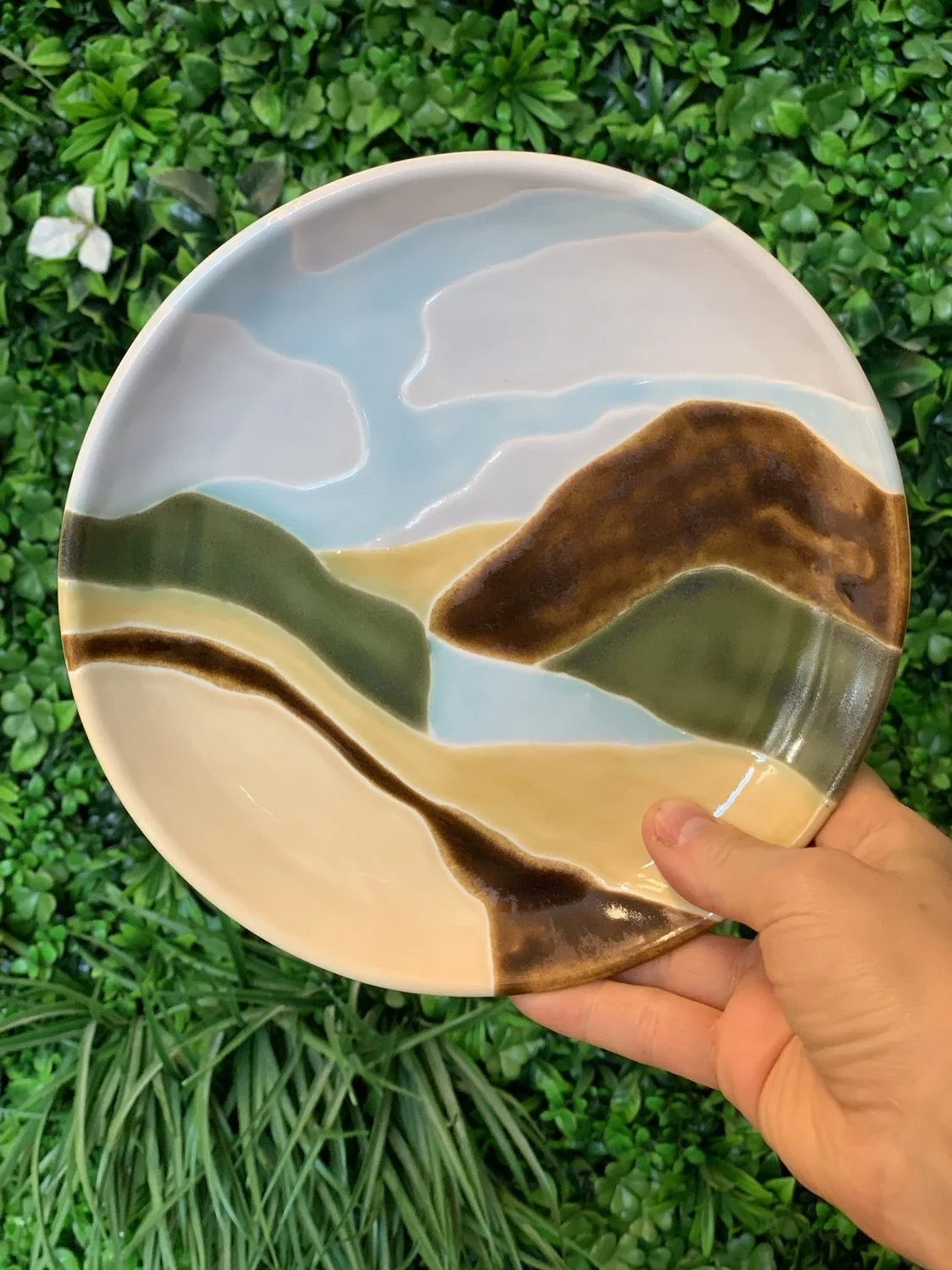
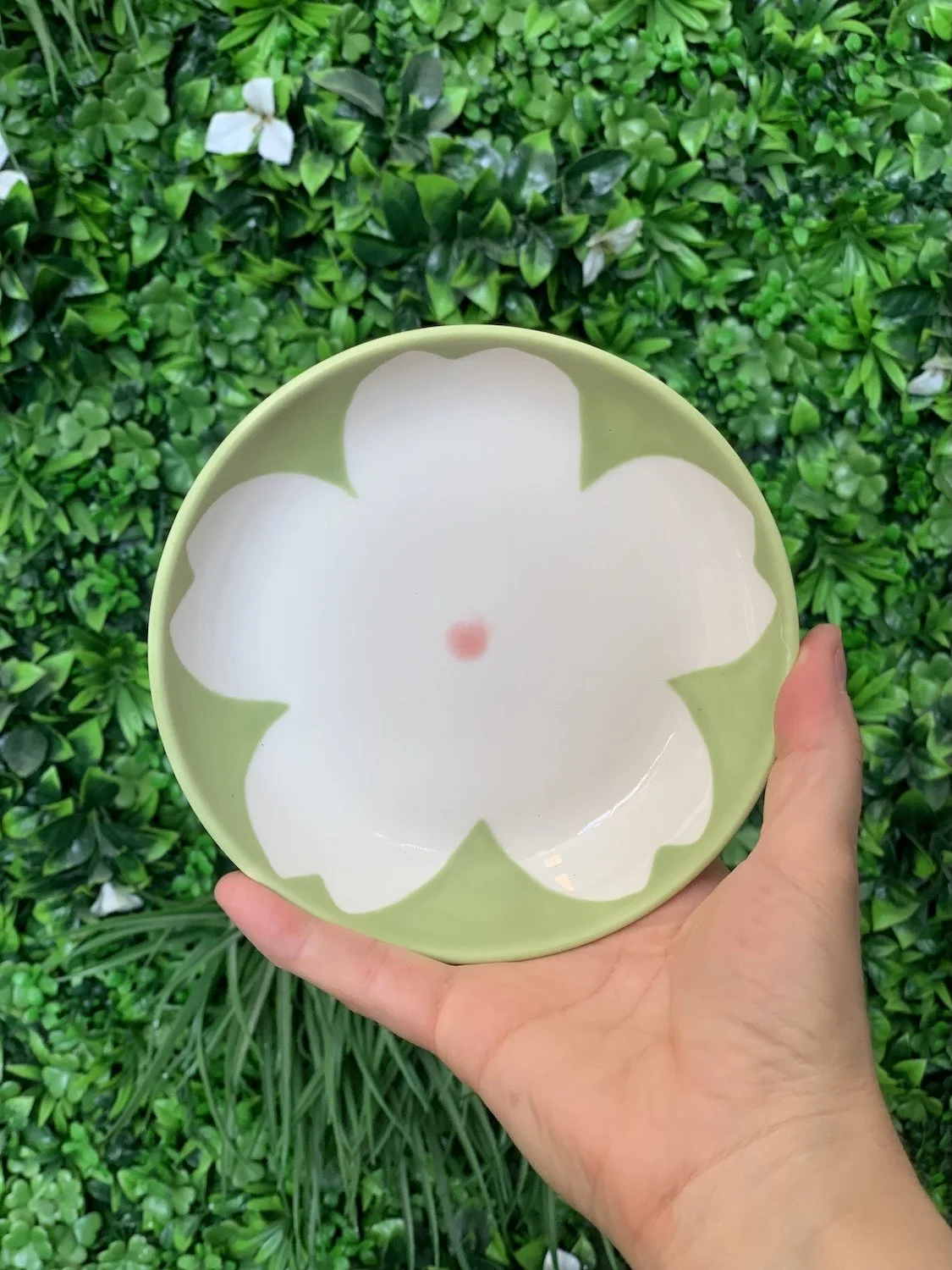
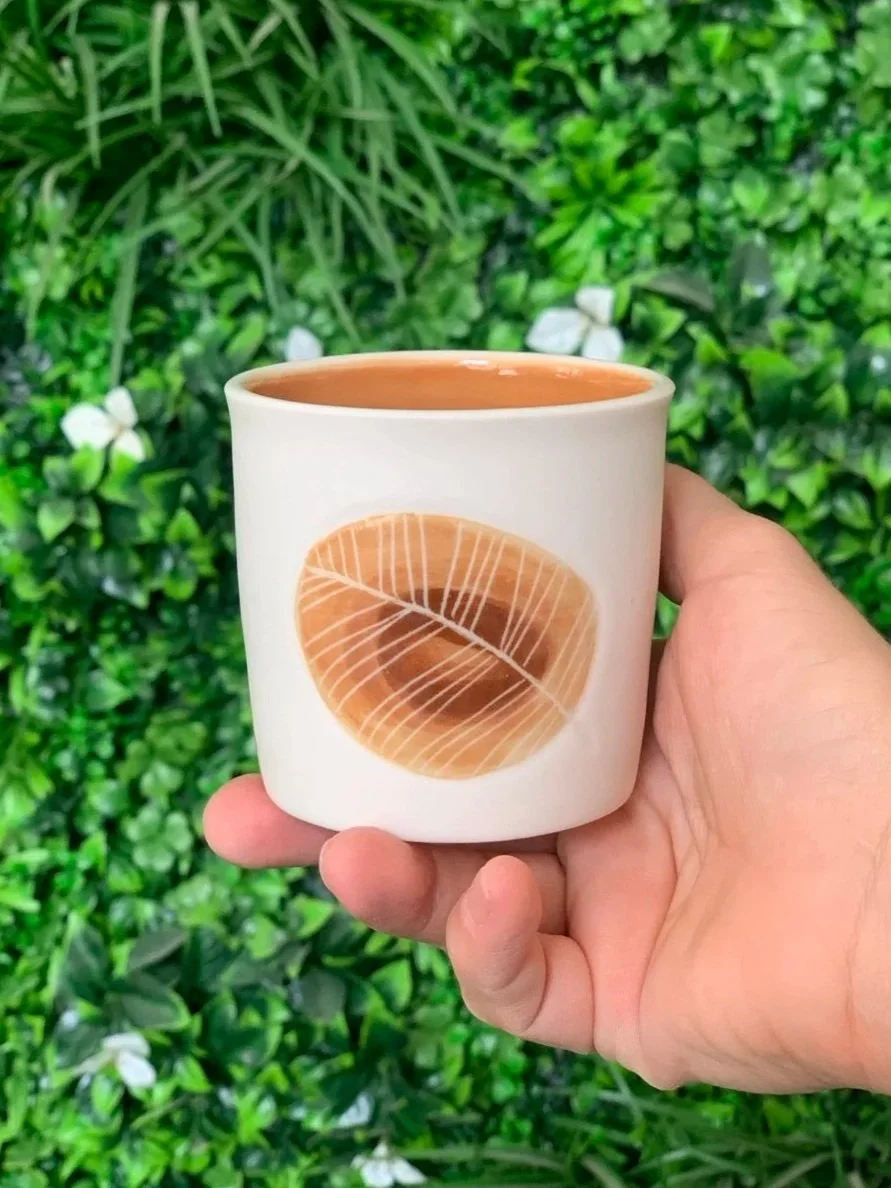
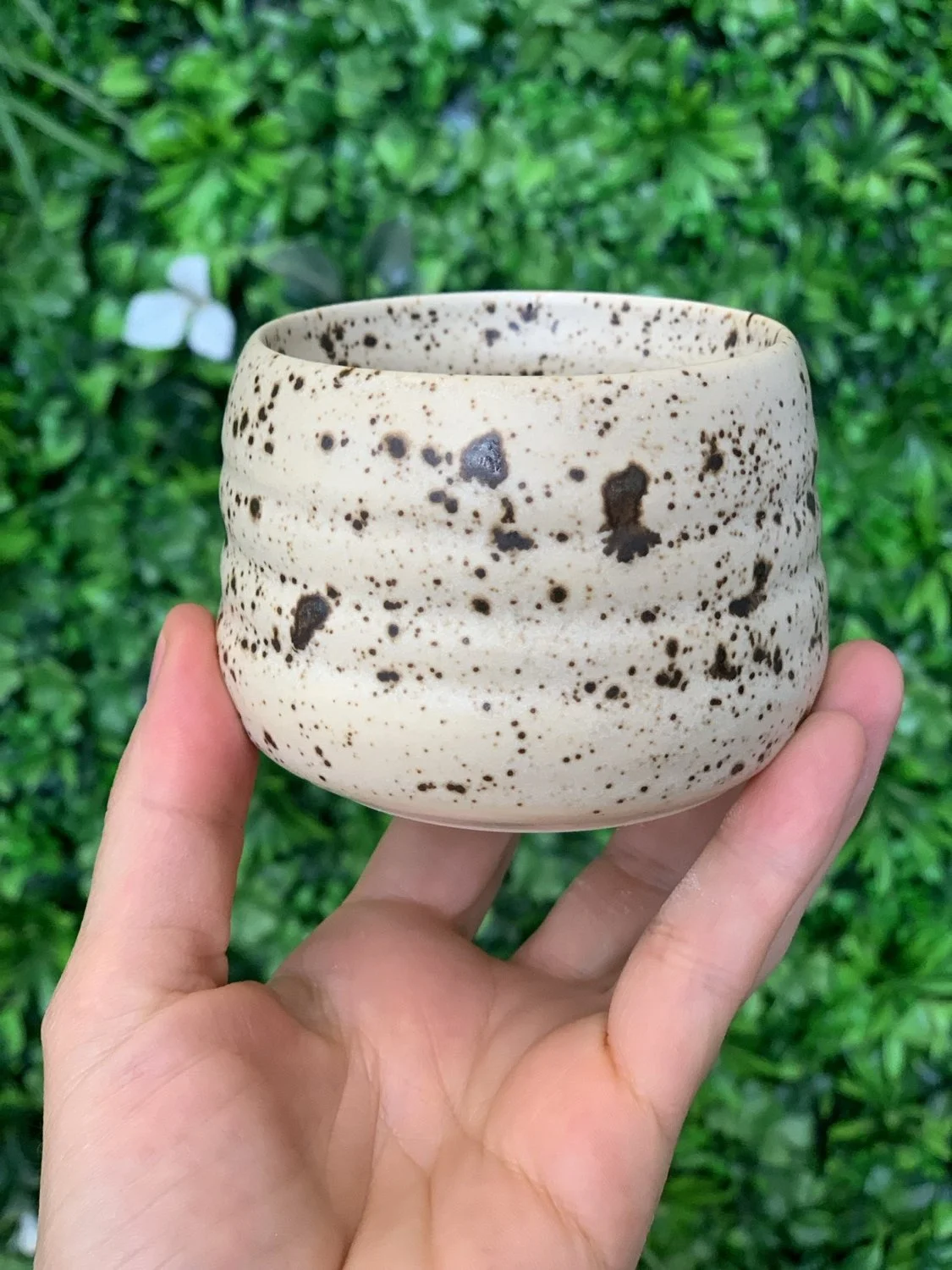
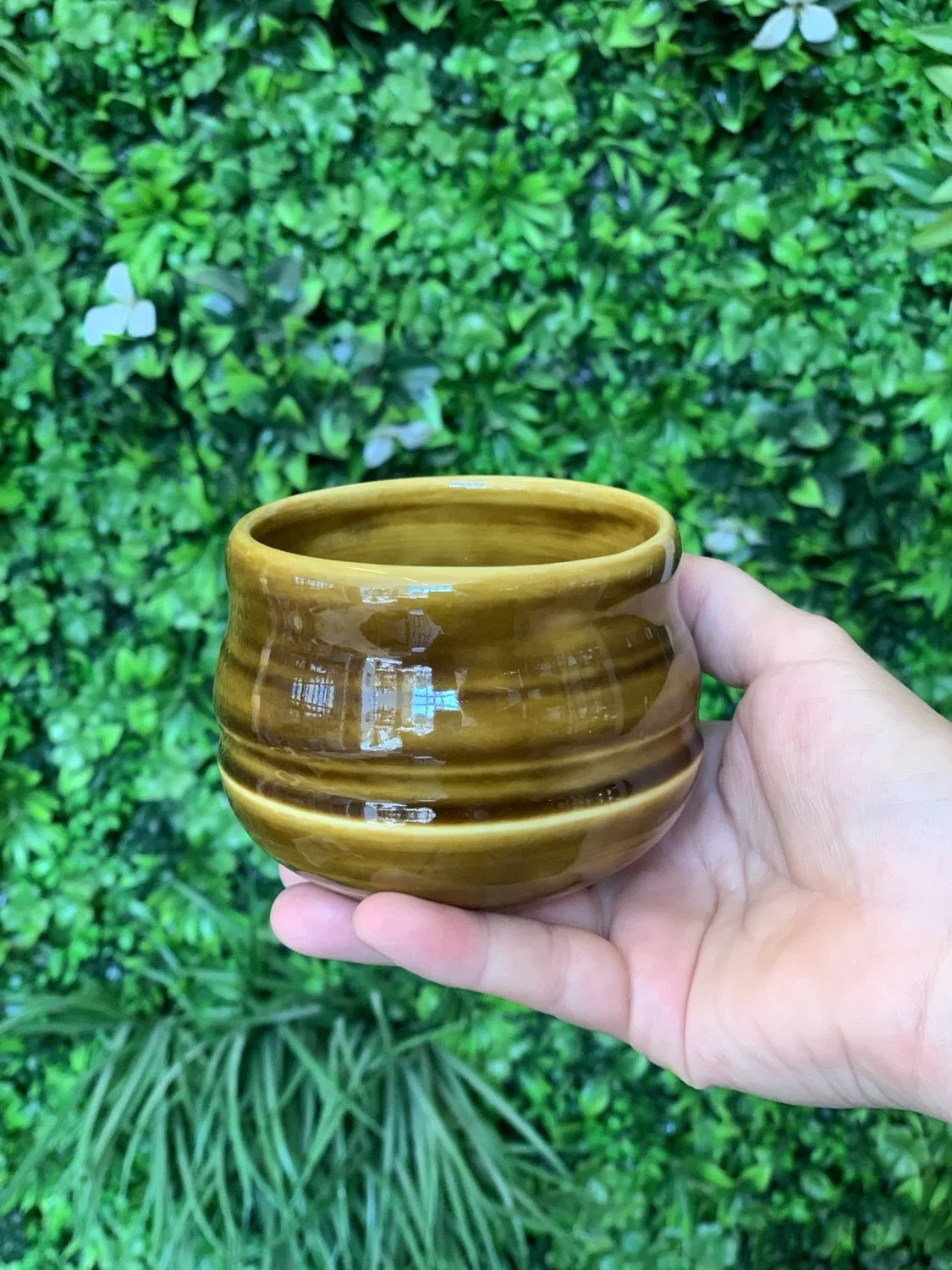
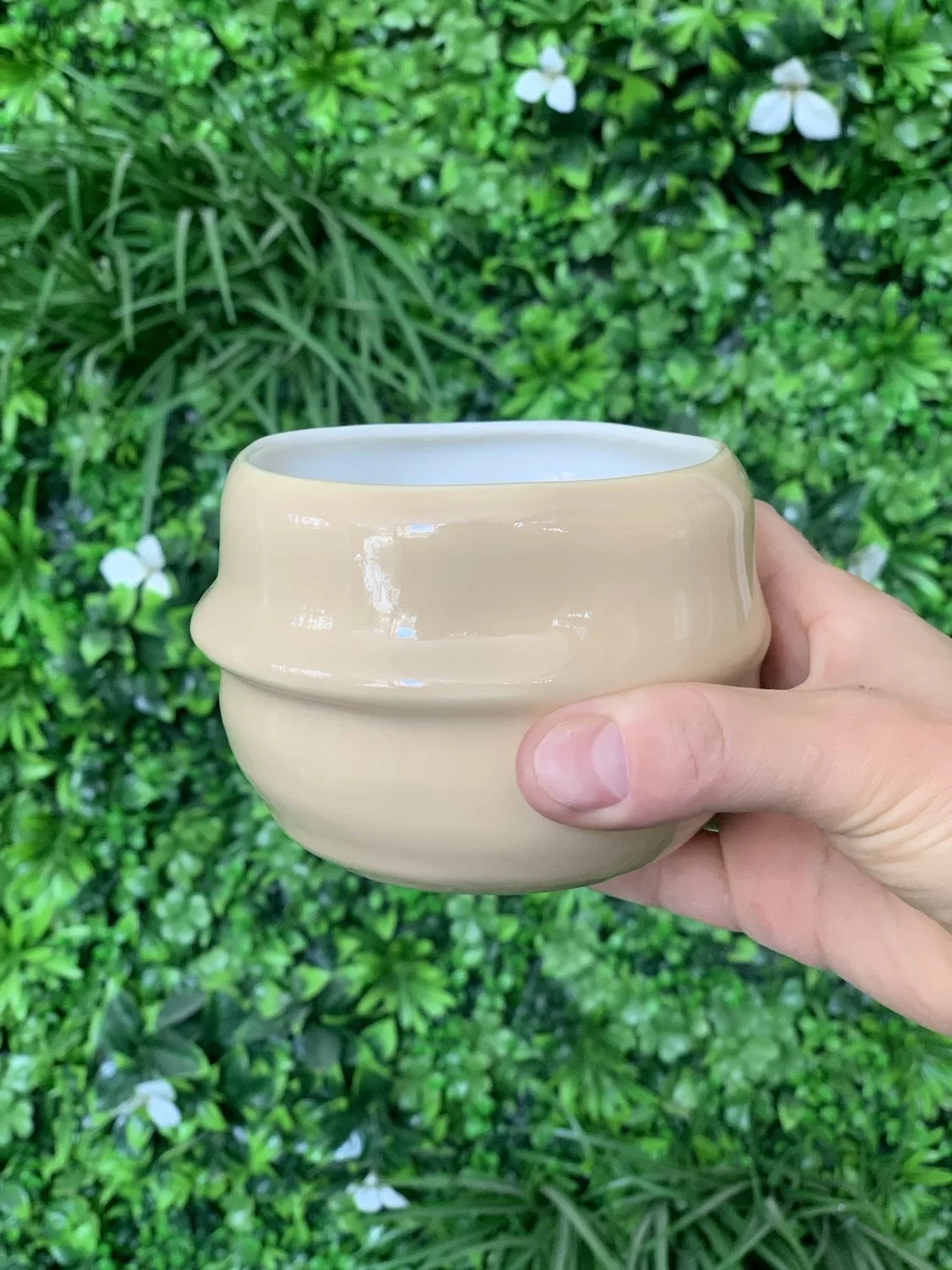
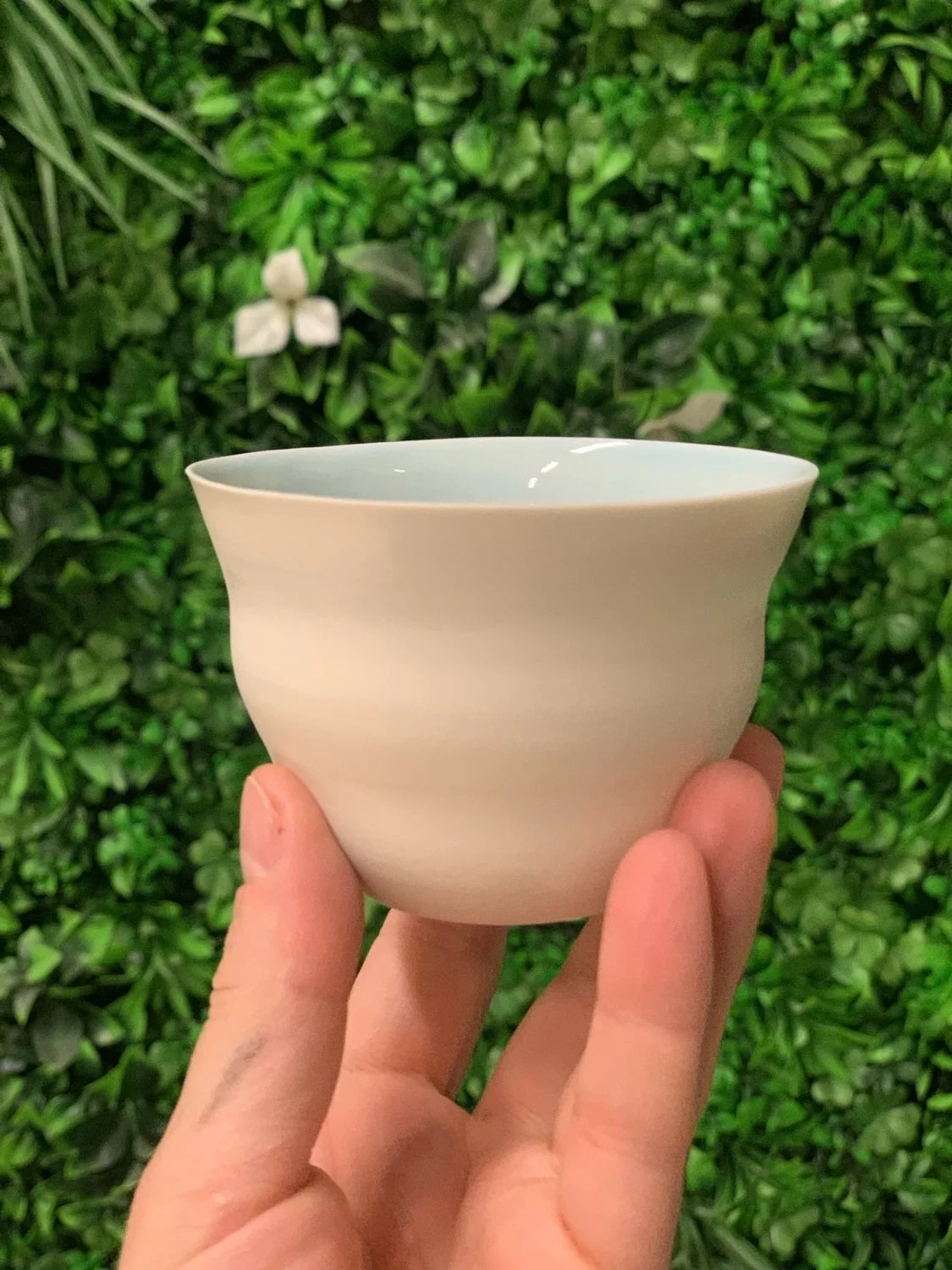
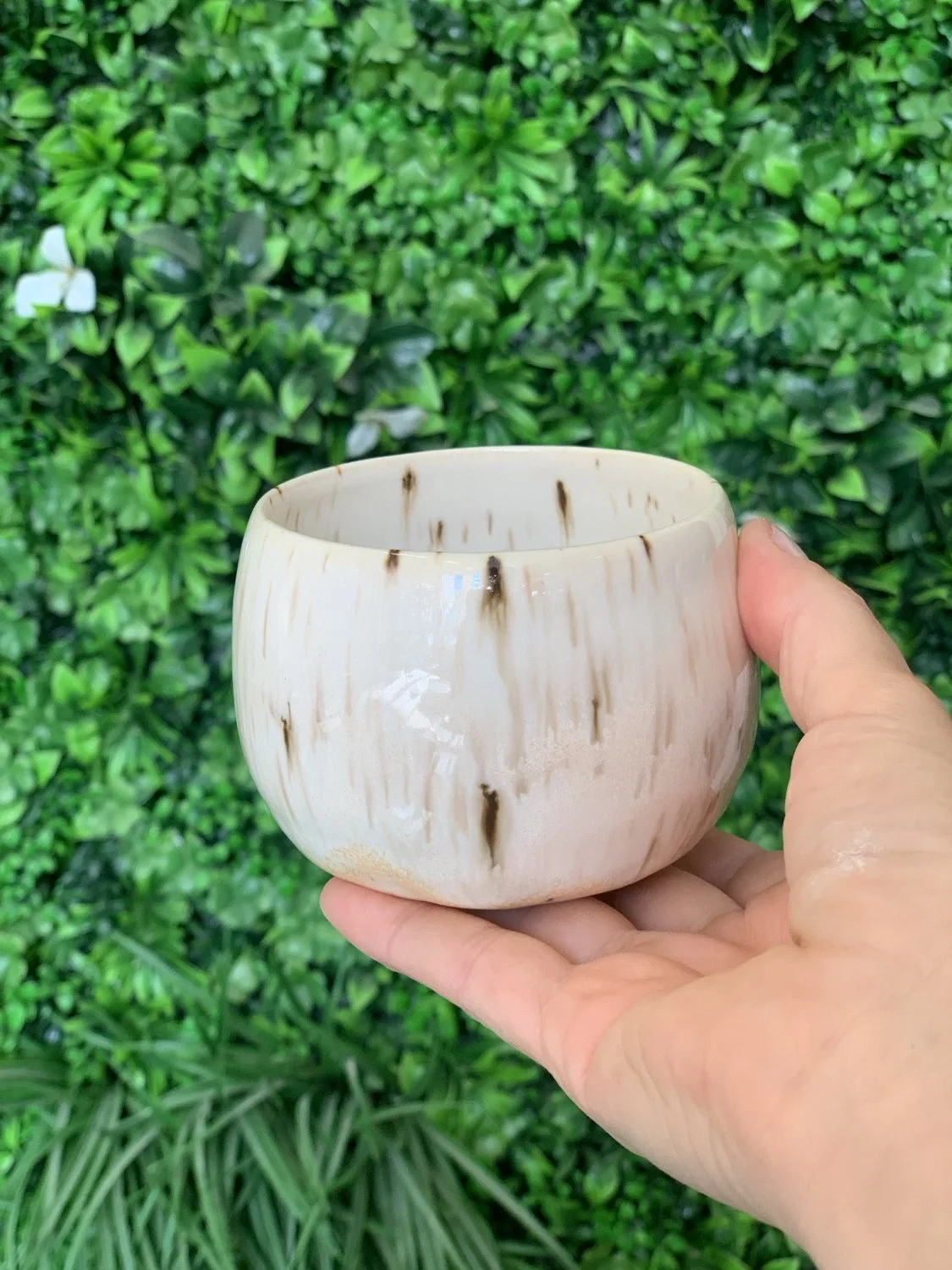
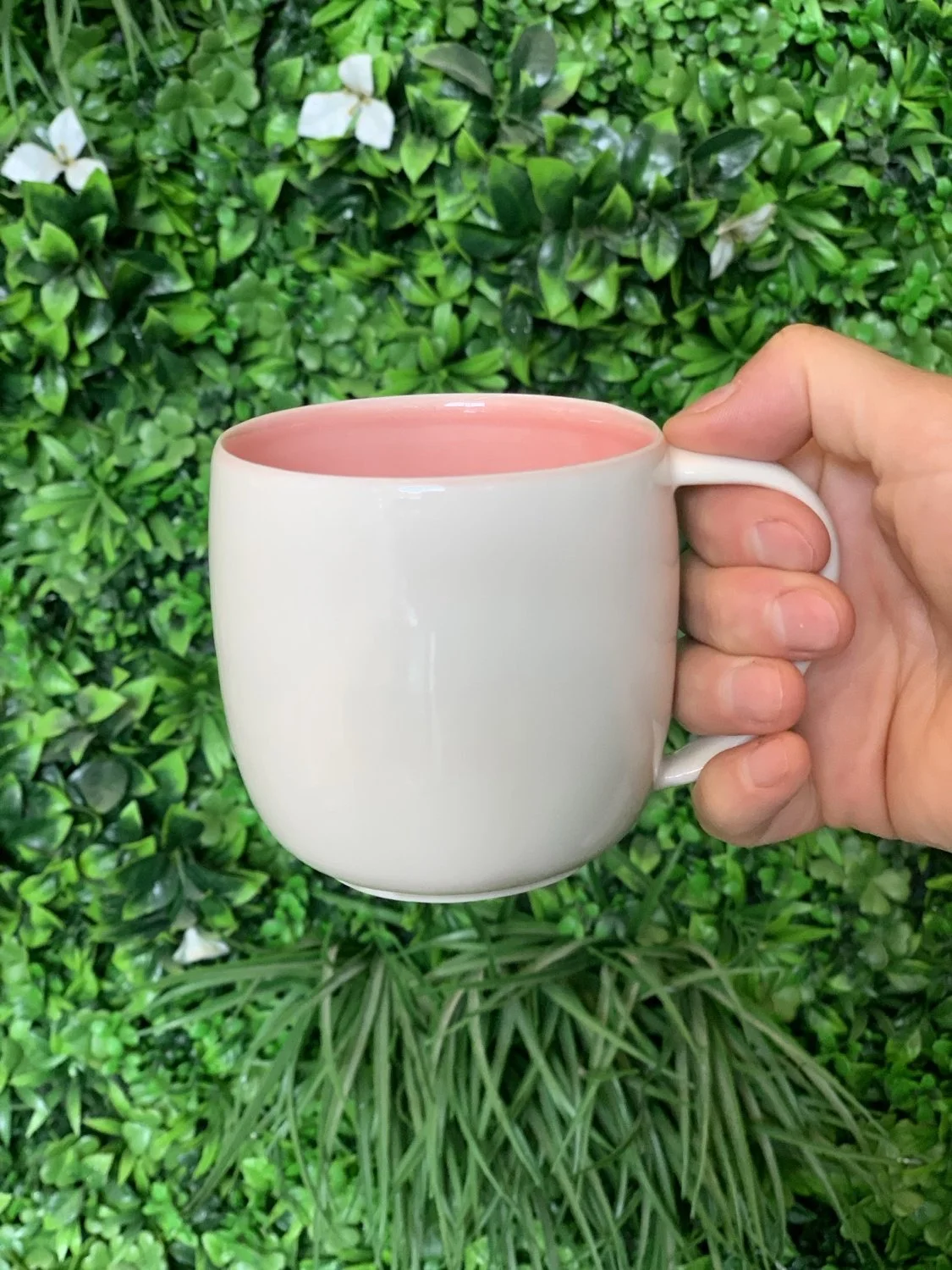
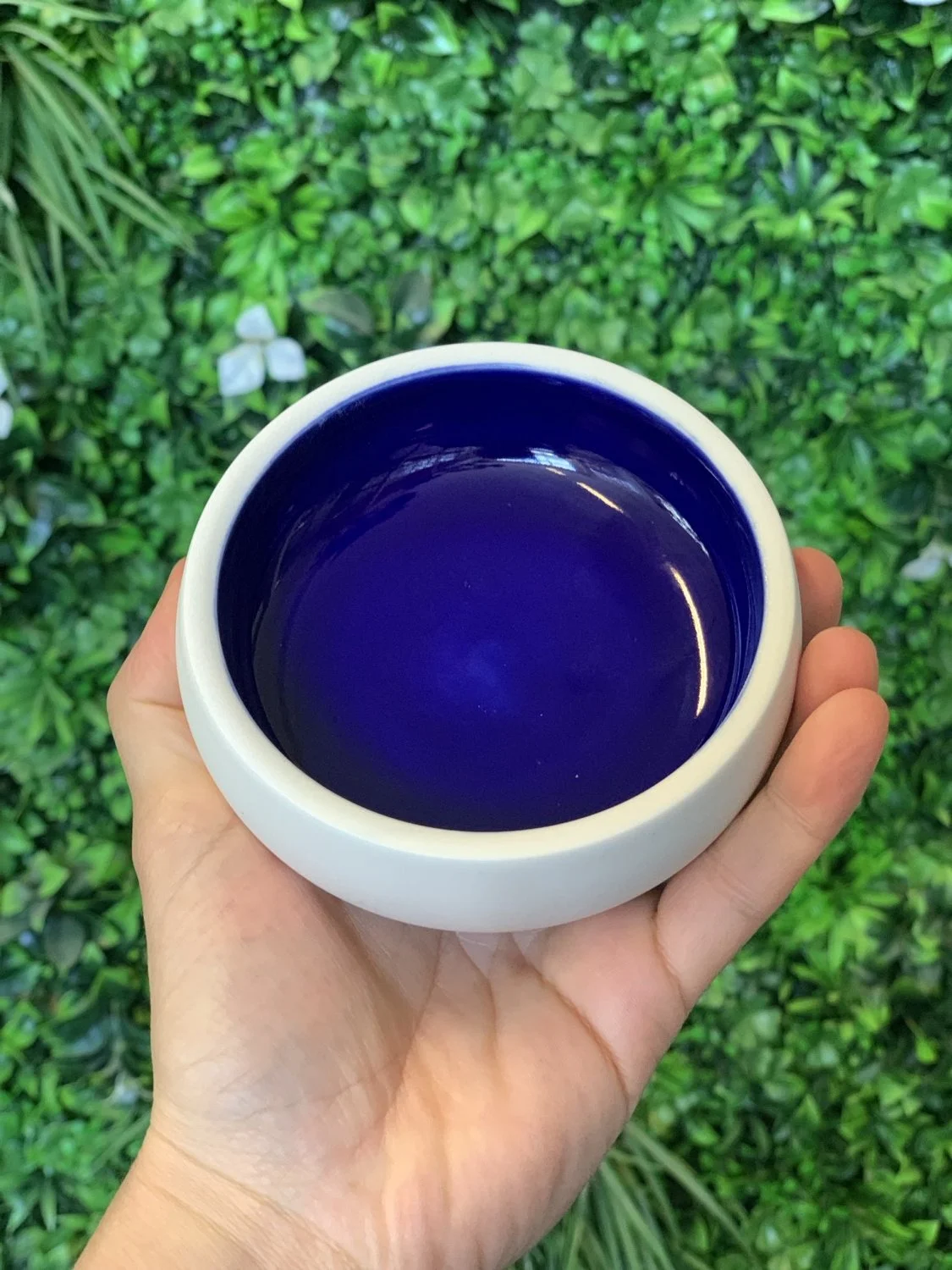
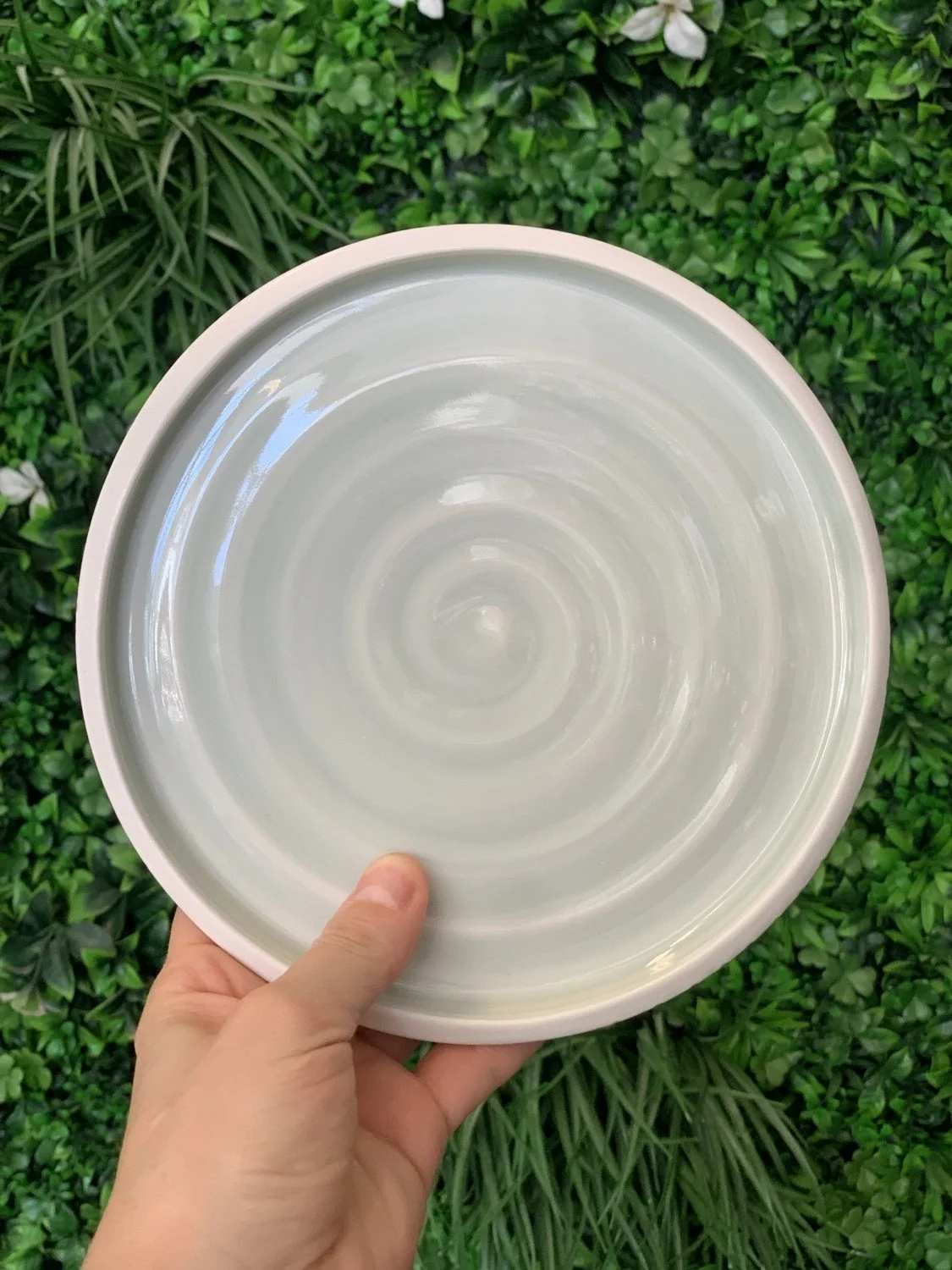
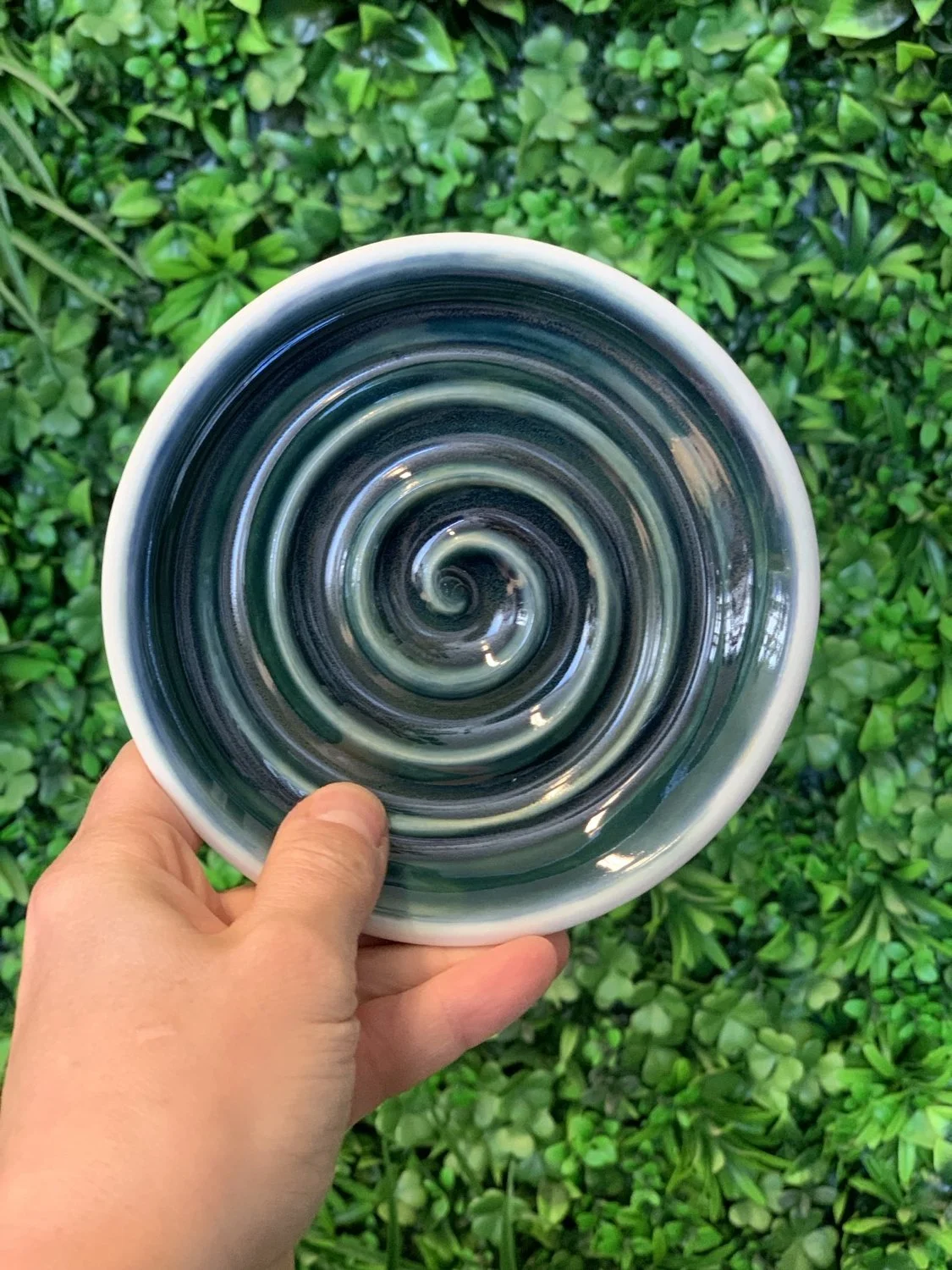
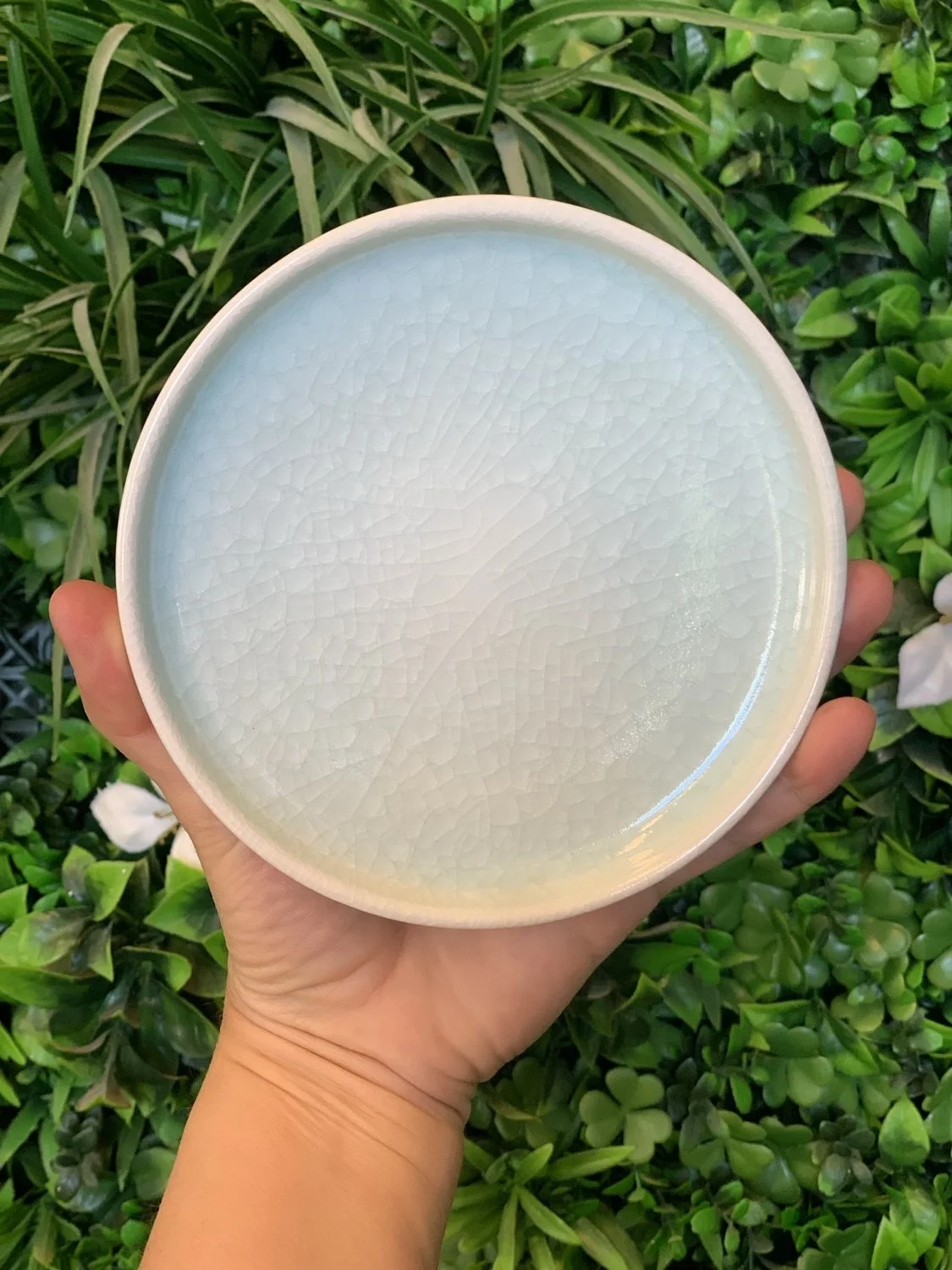
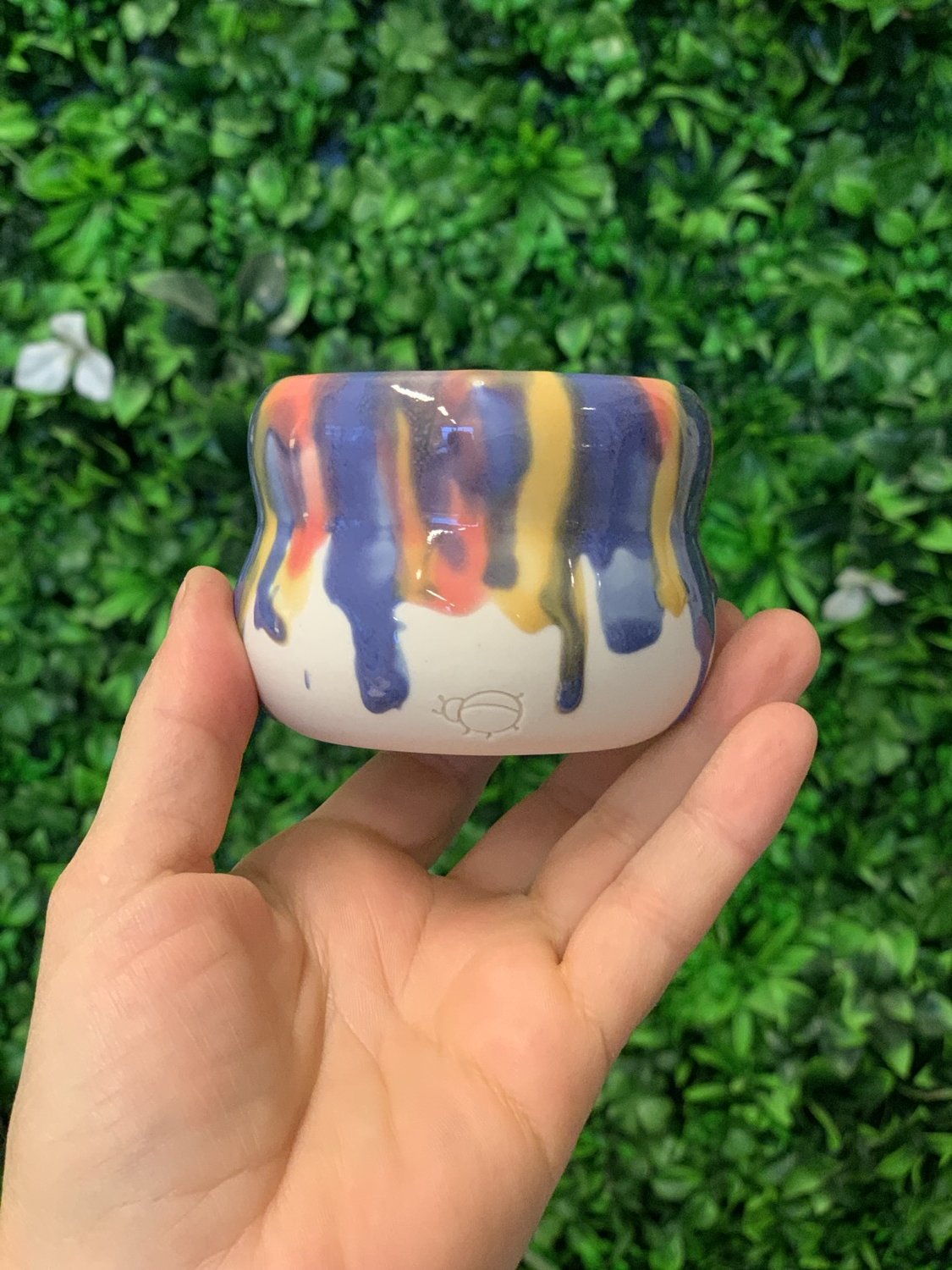
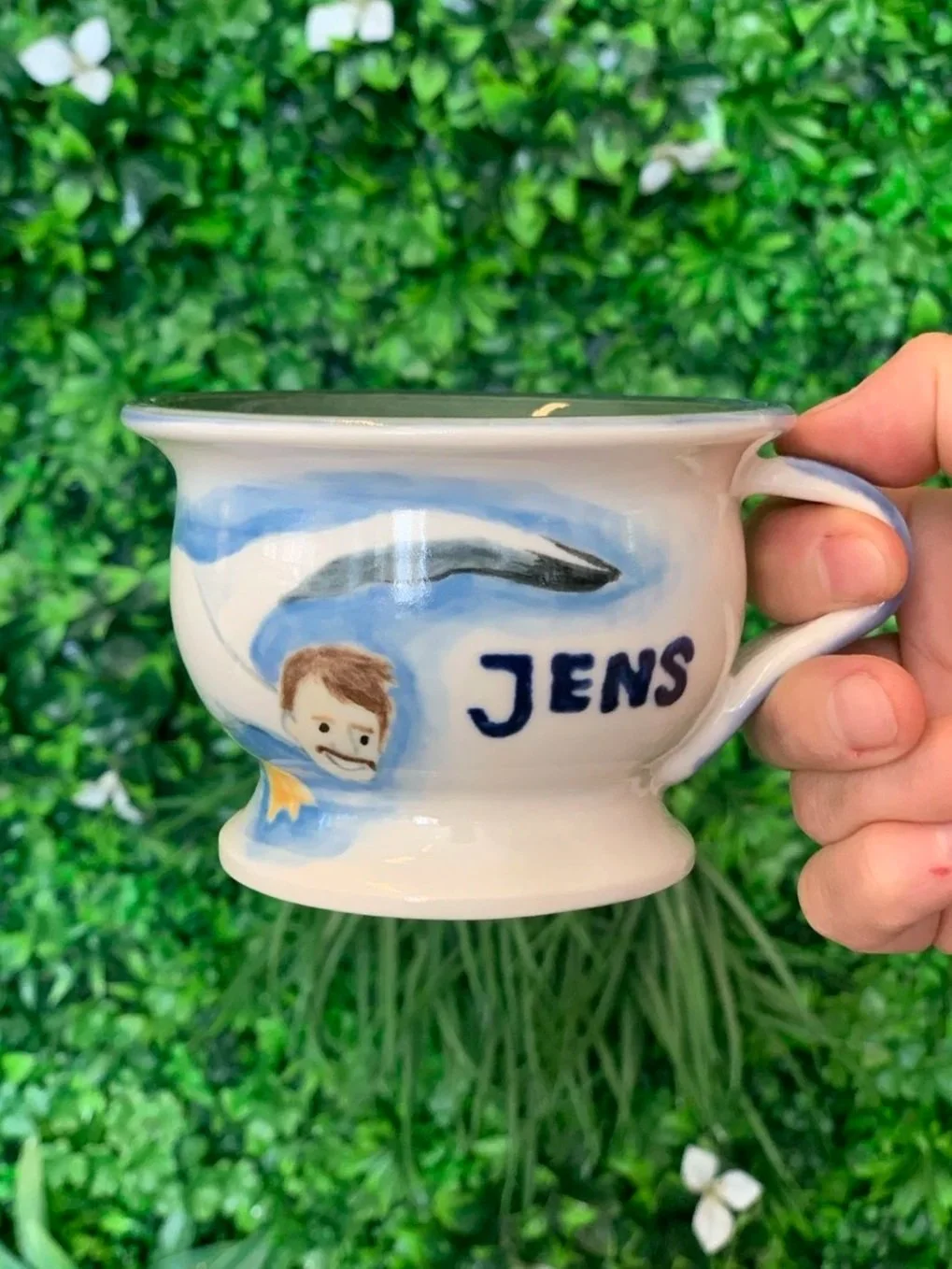
GLAZE GALLERY
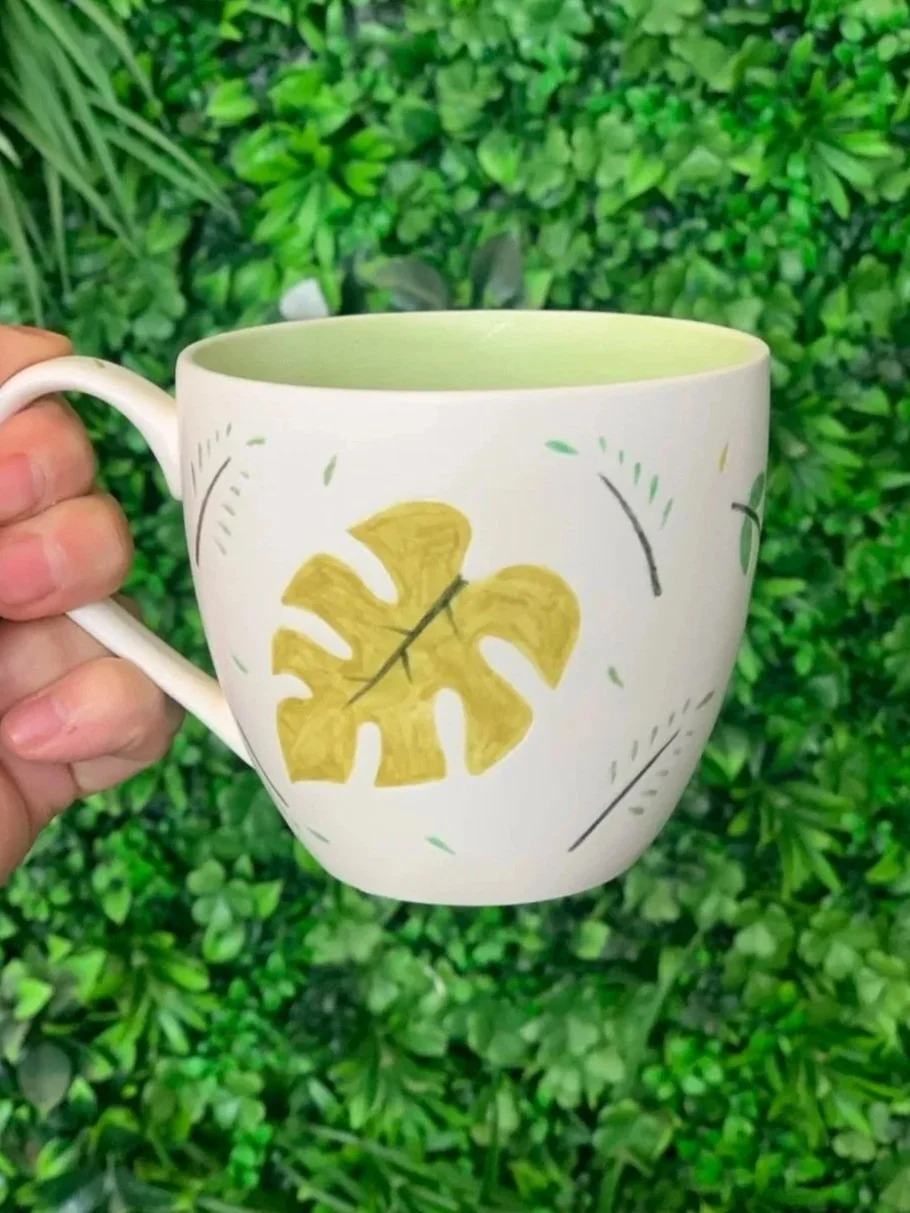
The pieces that you make in a wheel-throwing or hand-building workshop can easily be finished using simple glazing techniques in one glazing workshop.
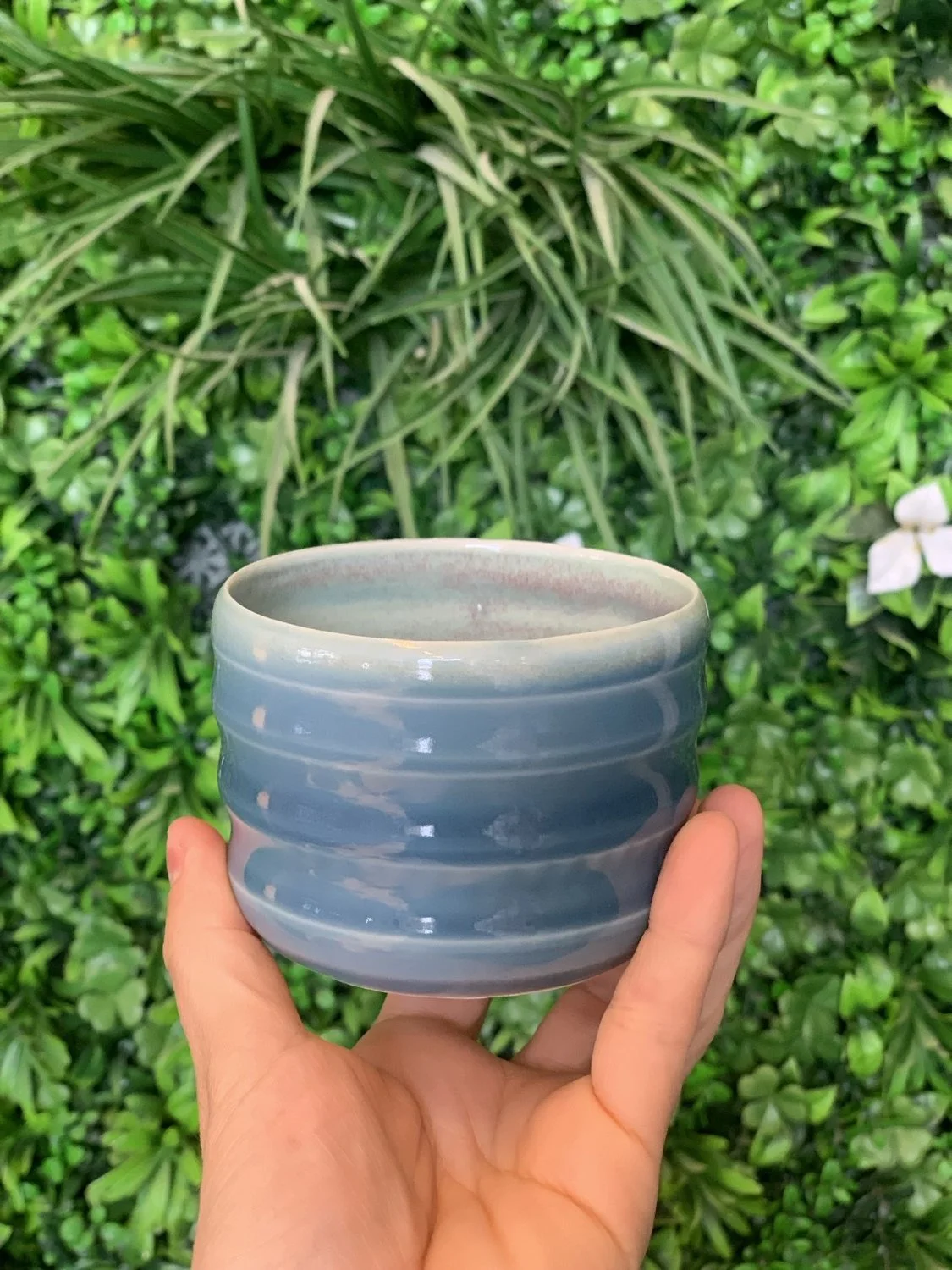
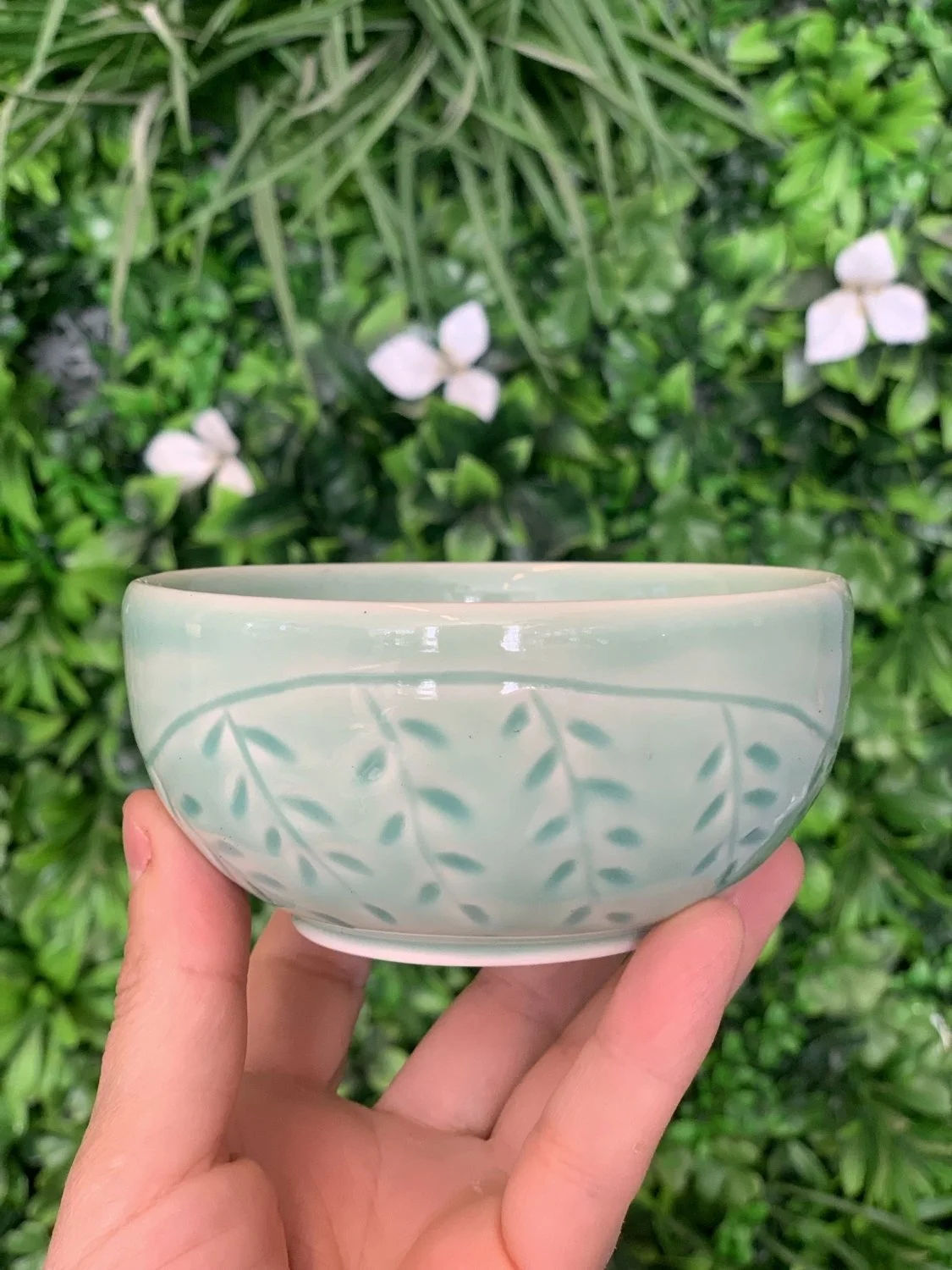
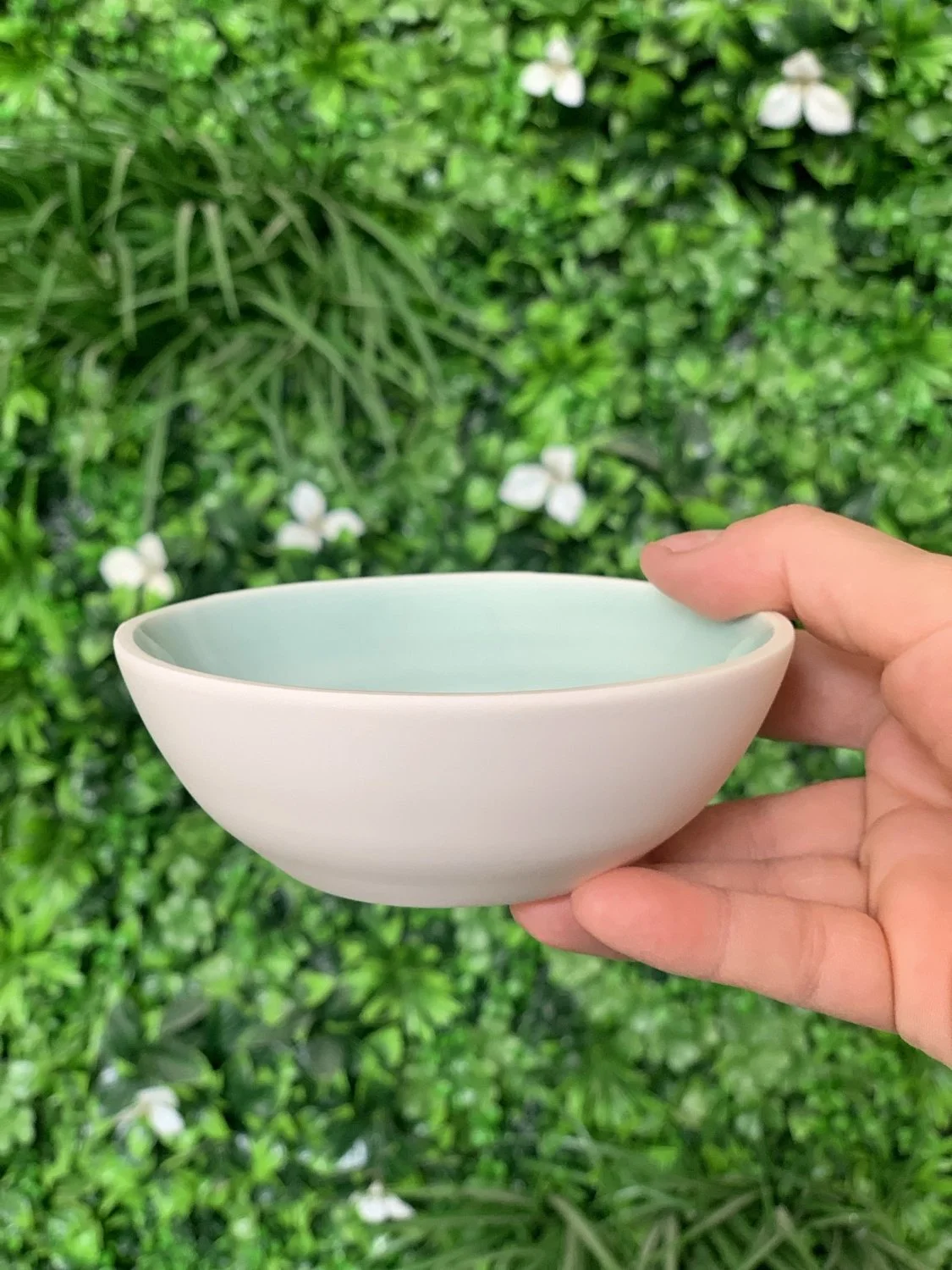
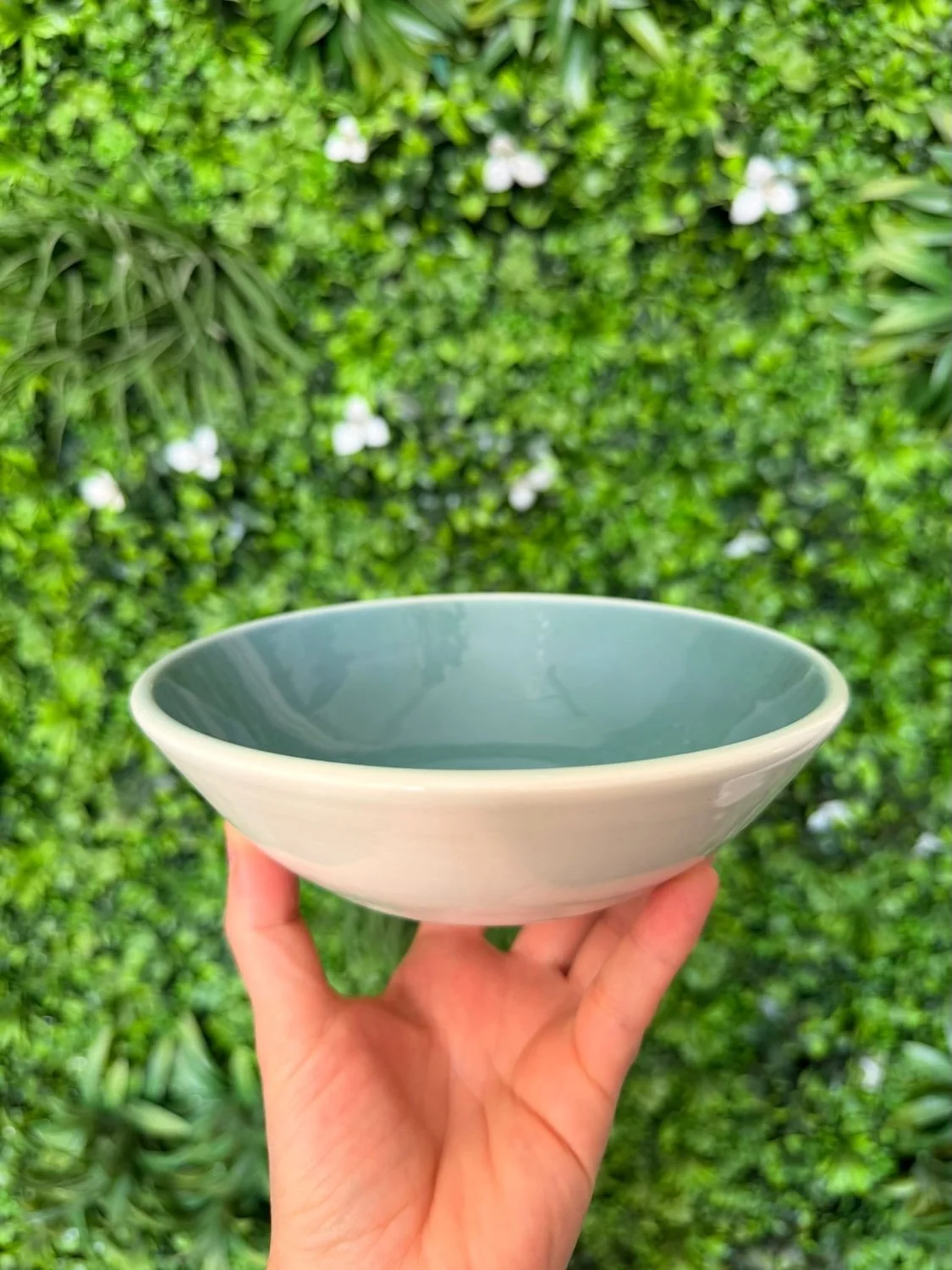
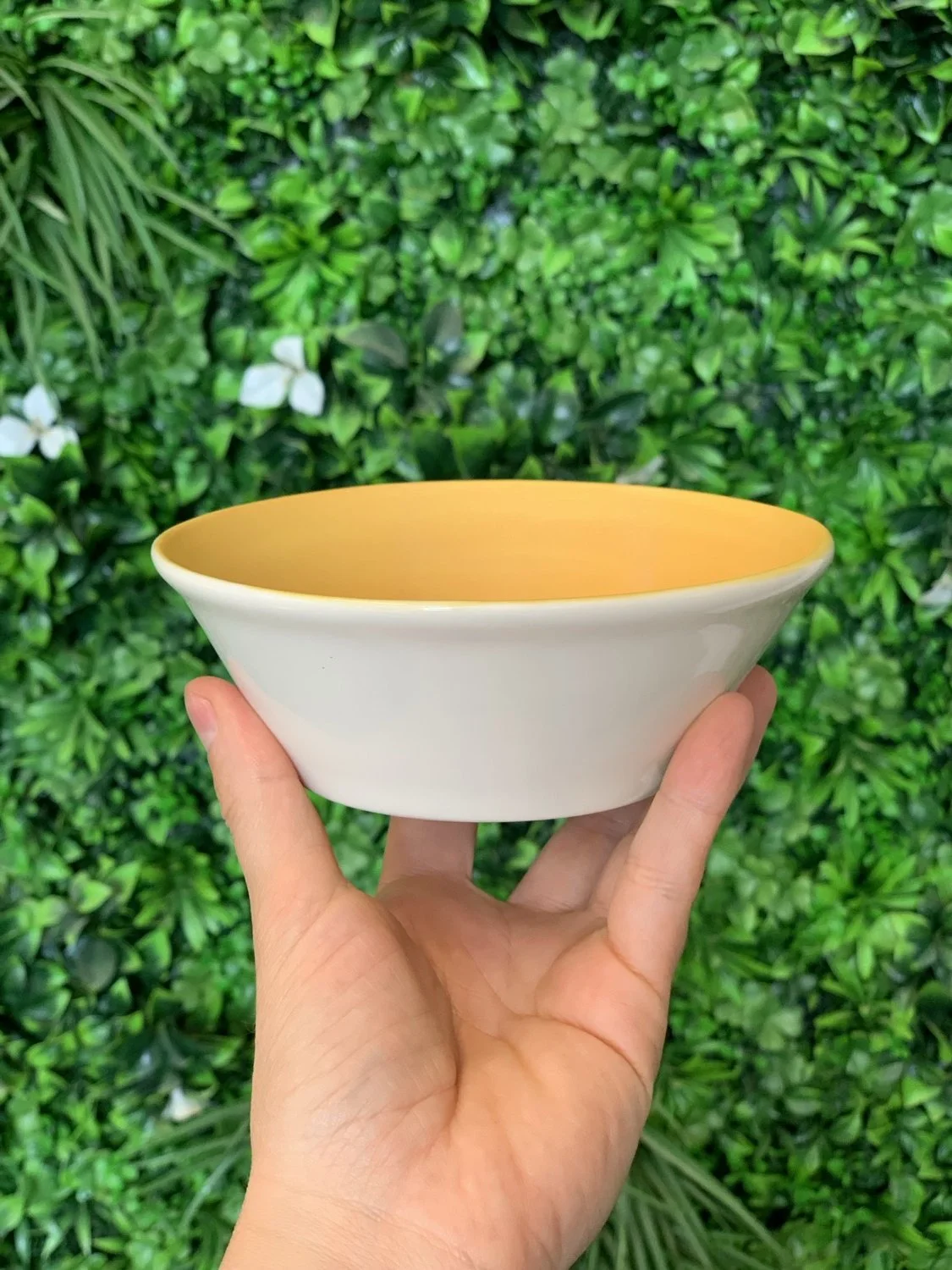
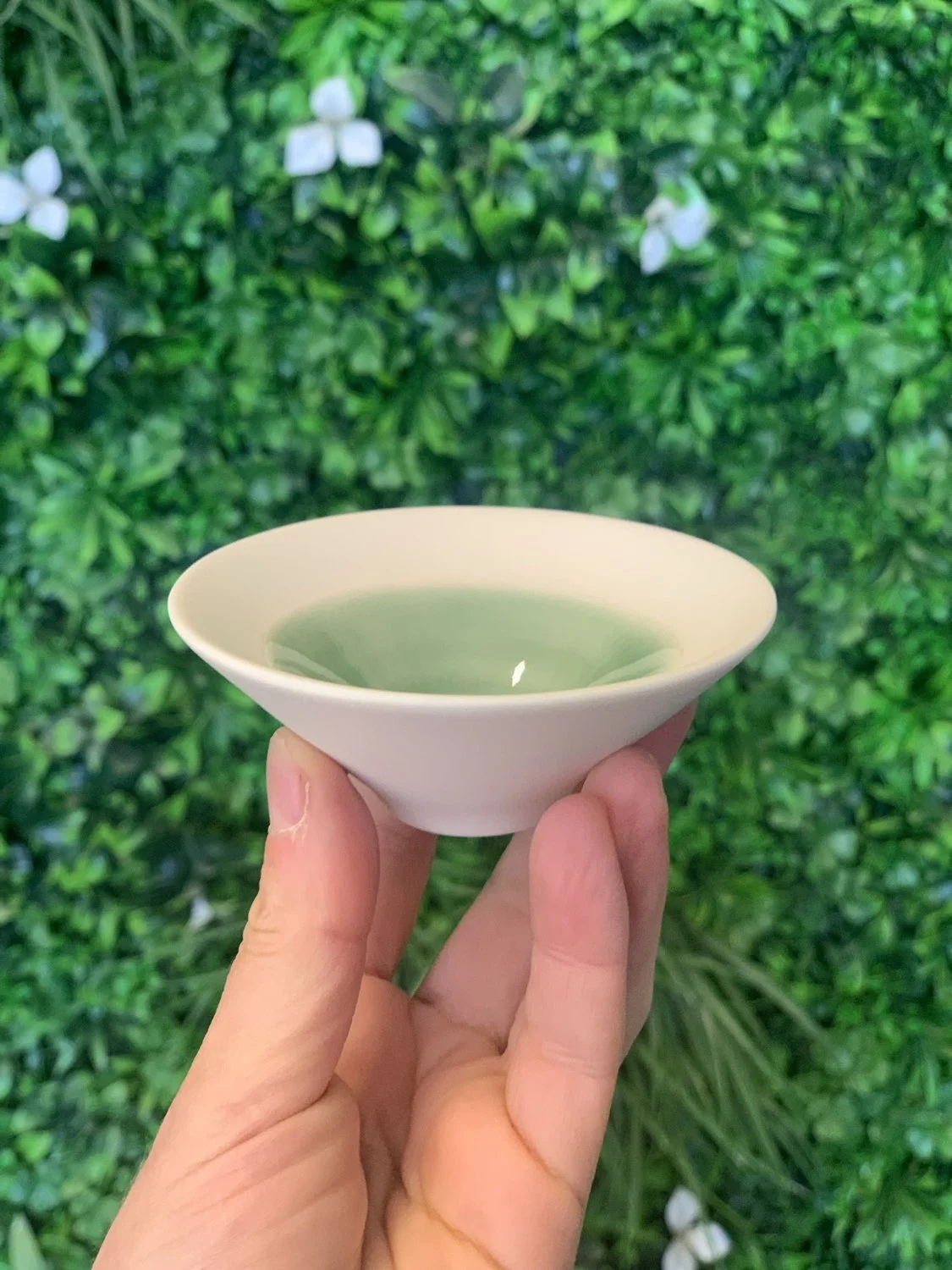
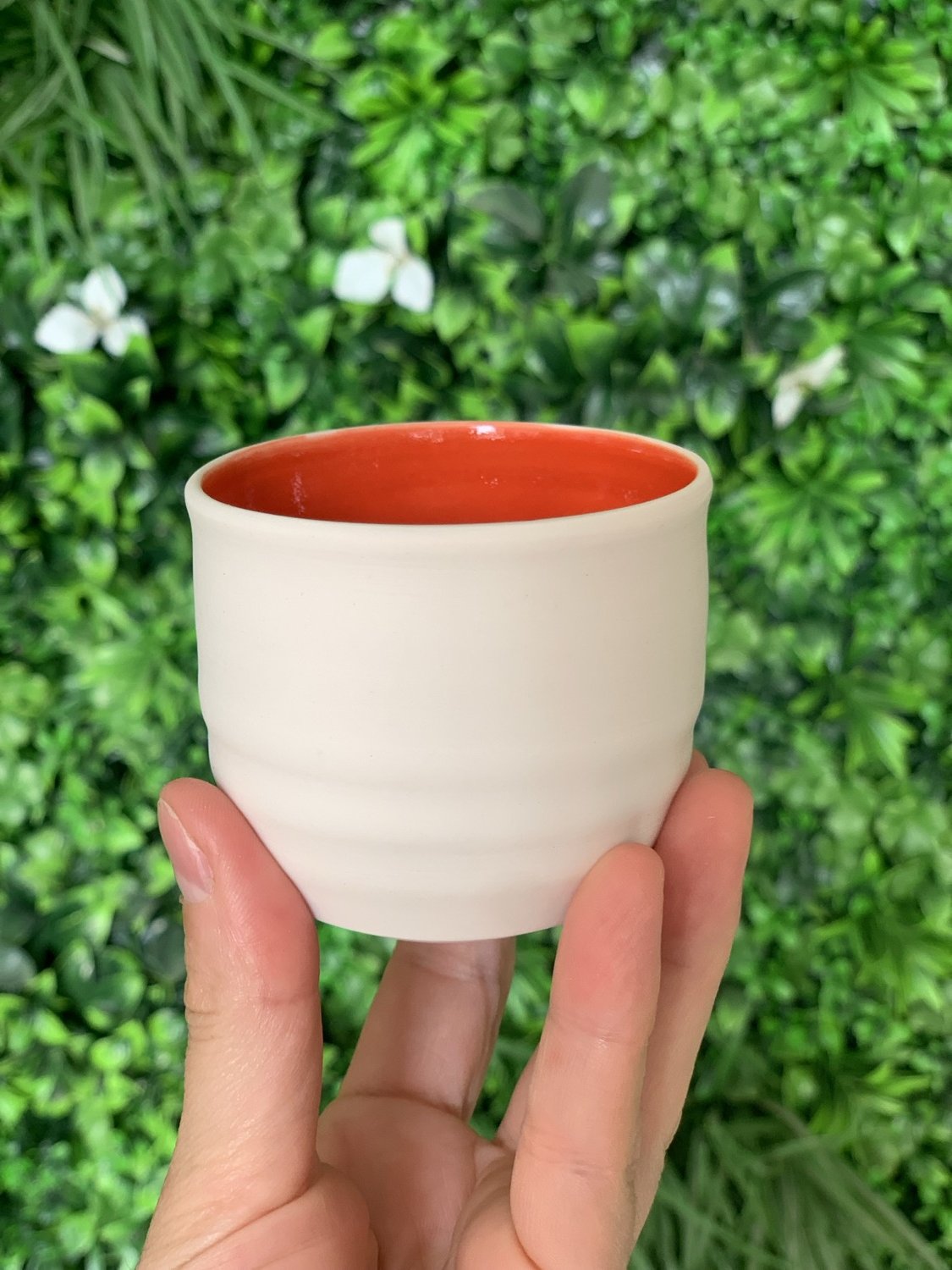
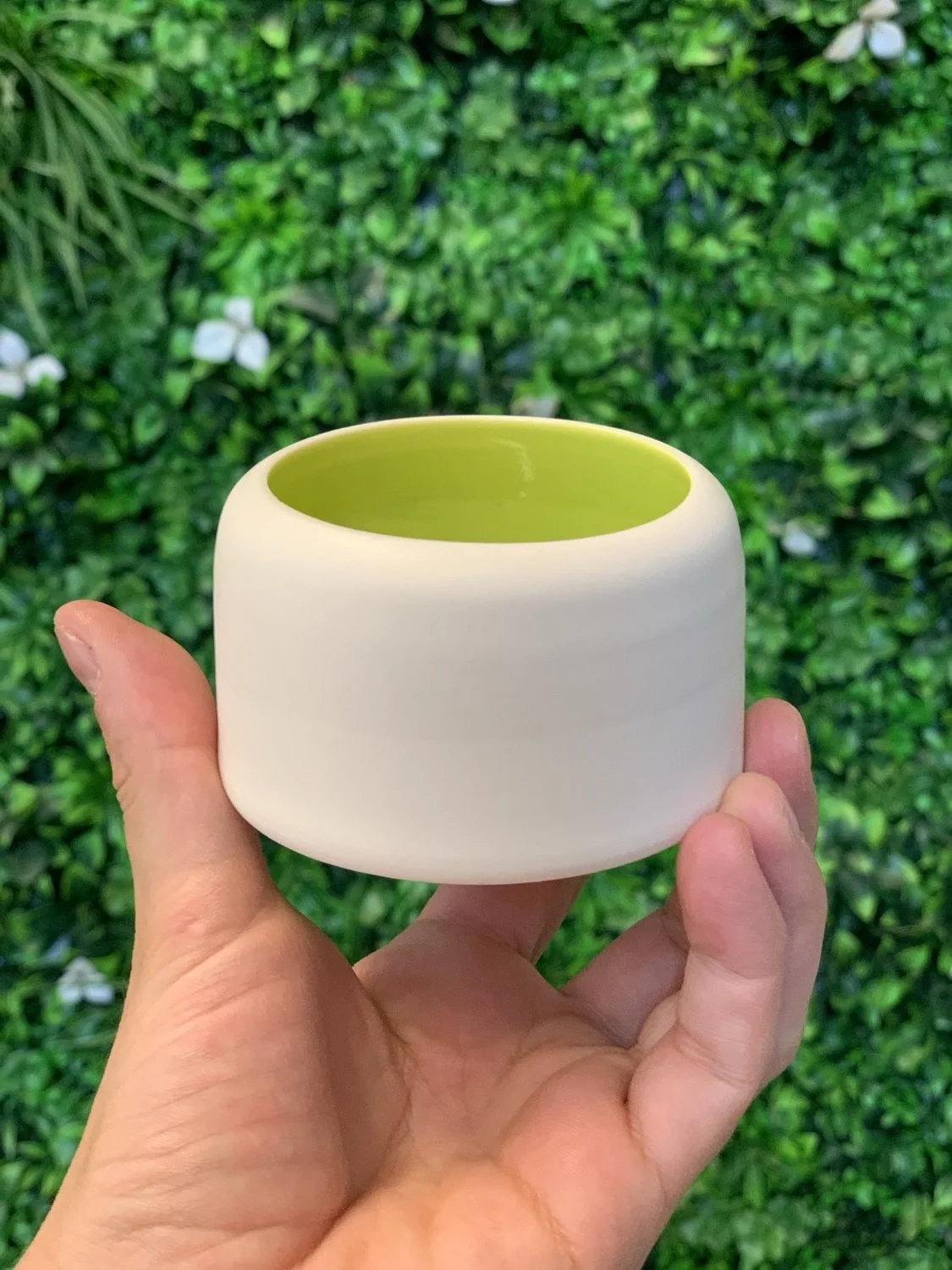
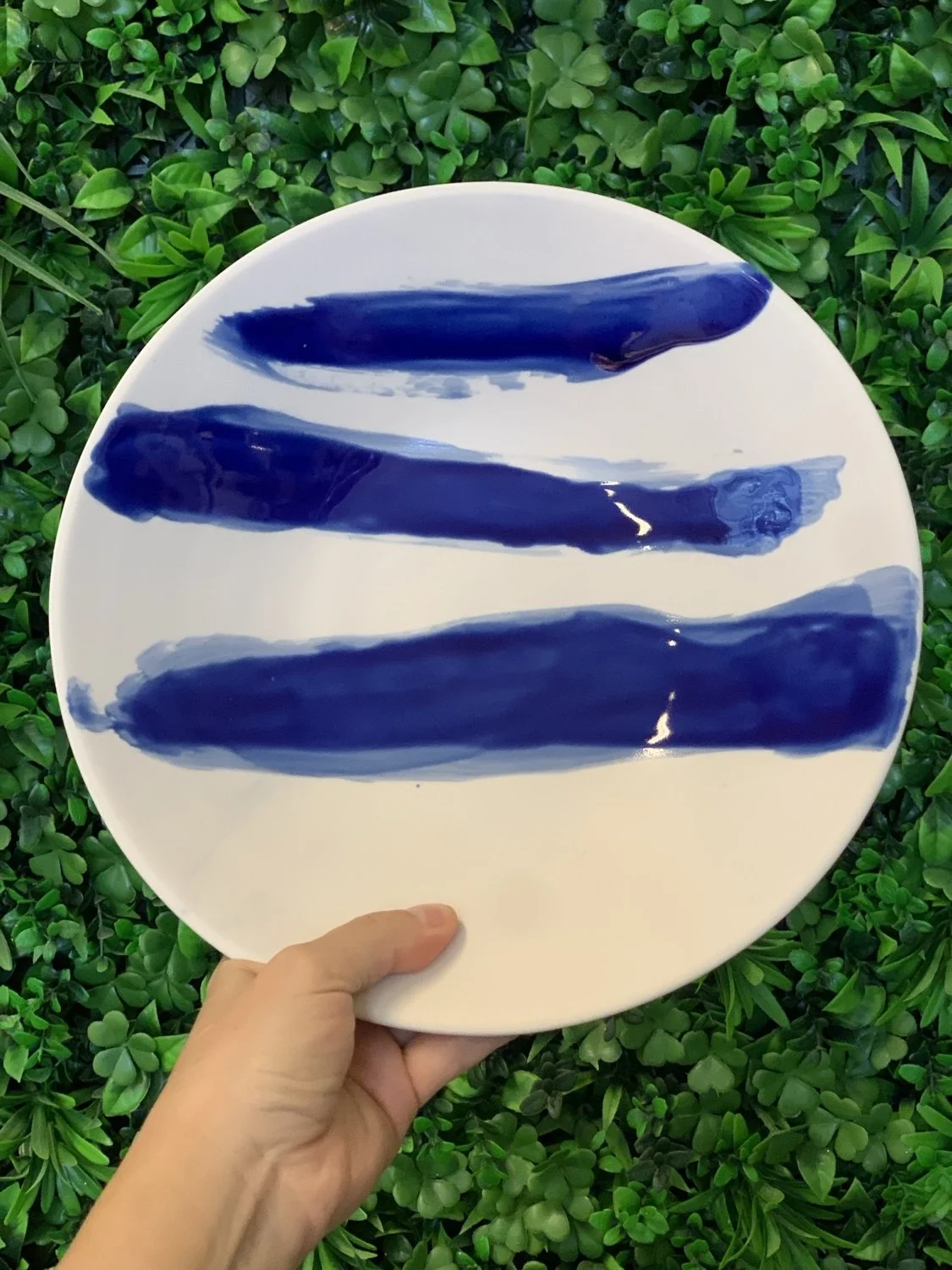
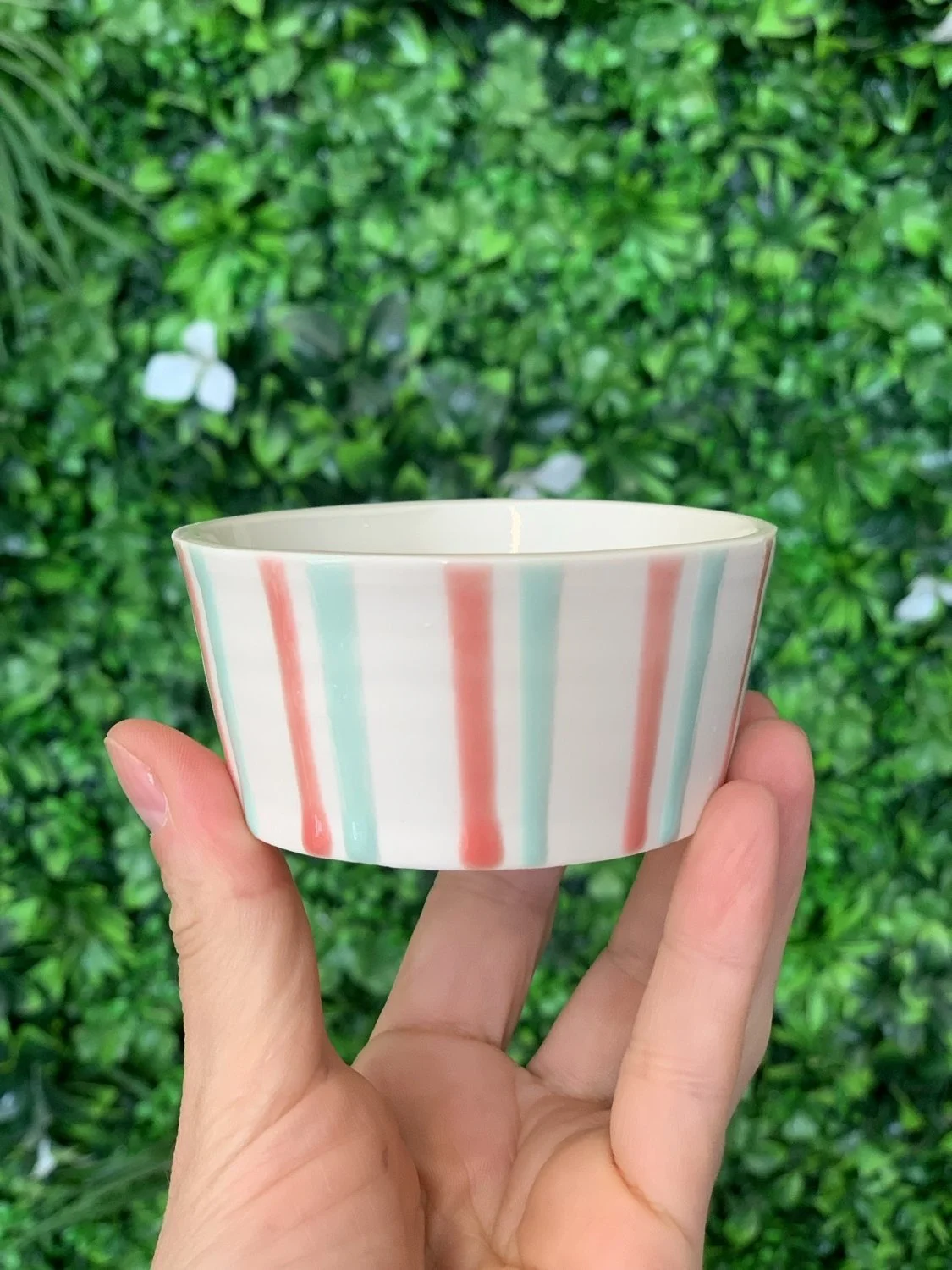
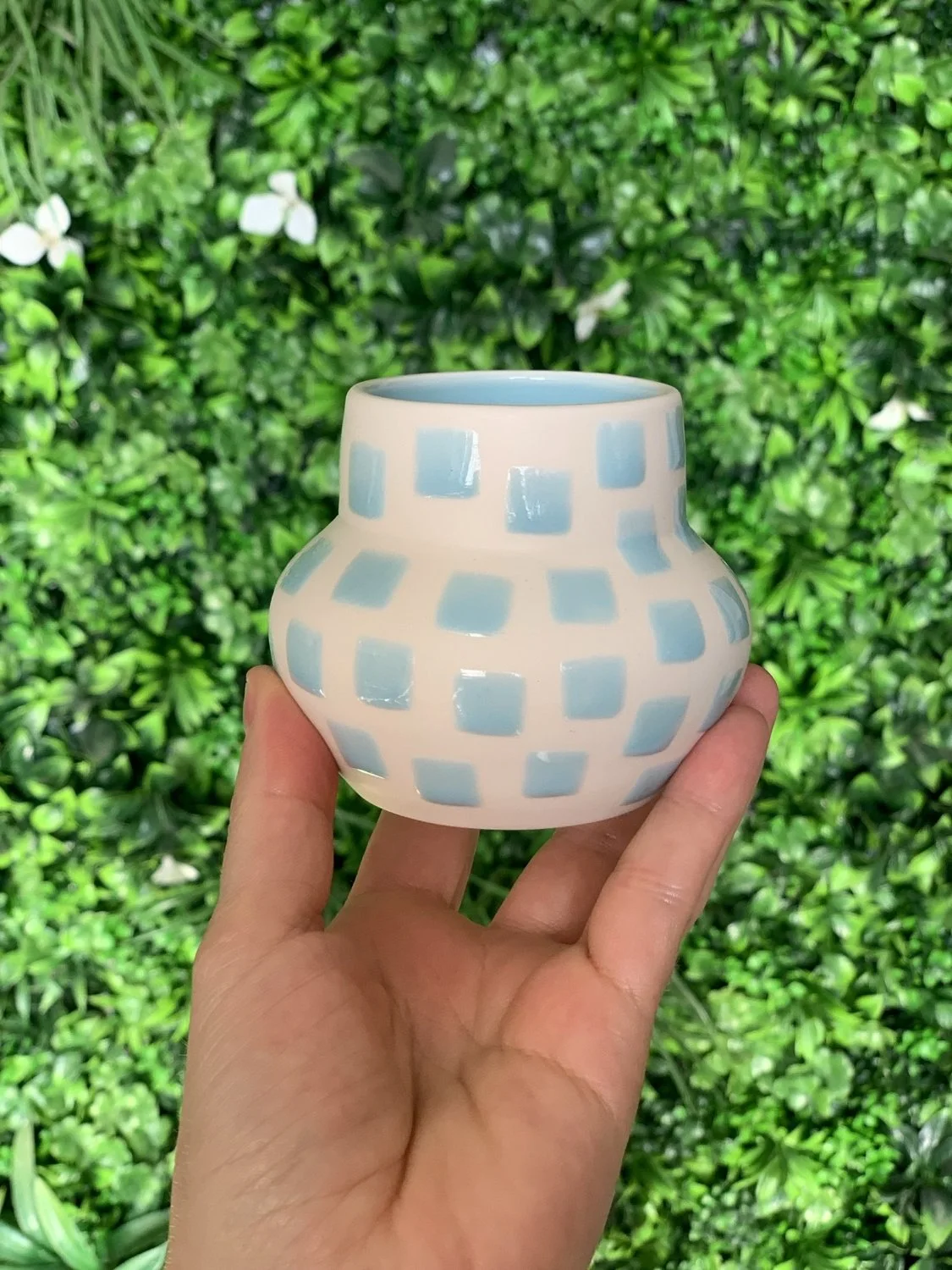
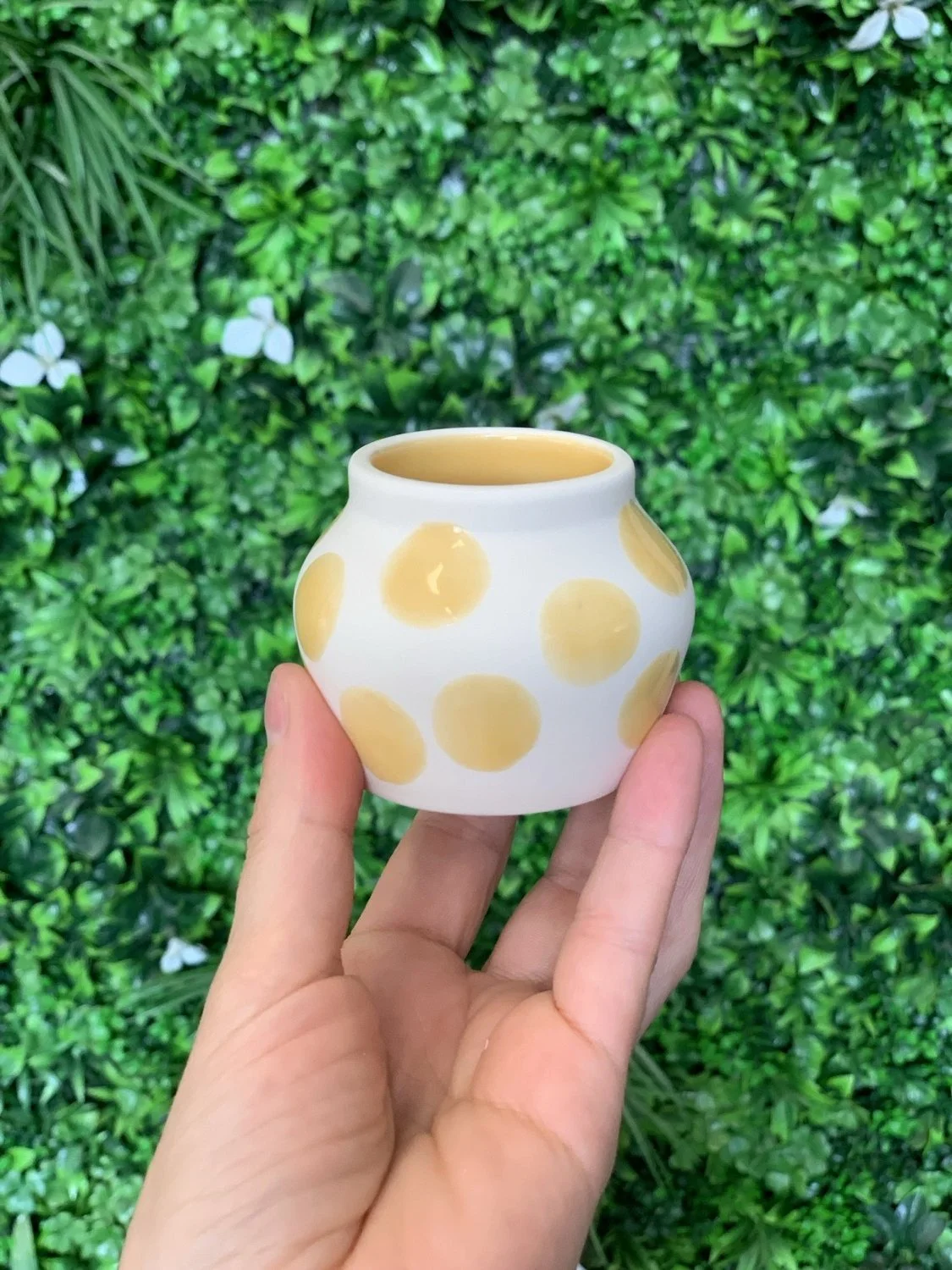
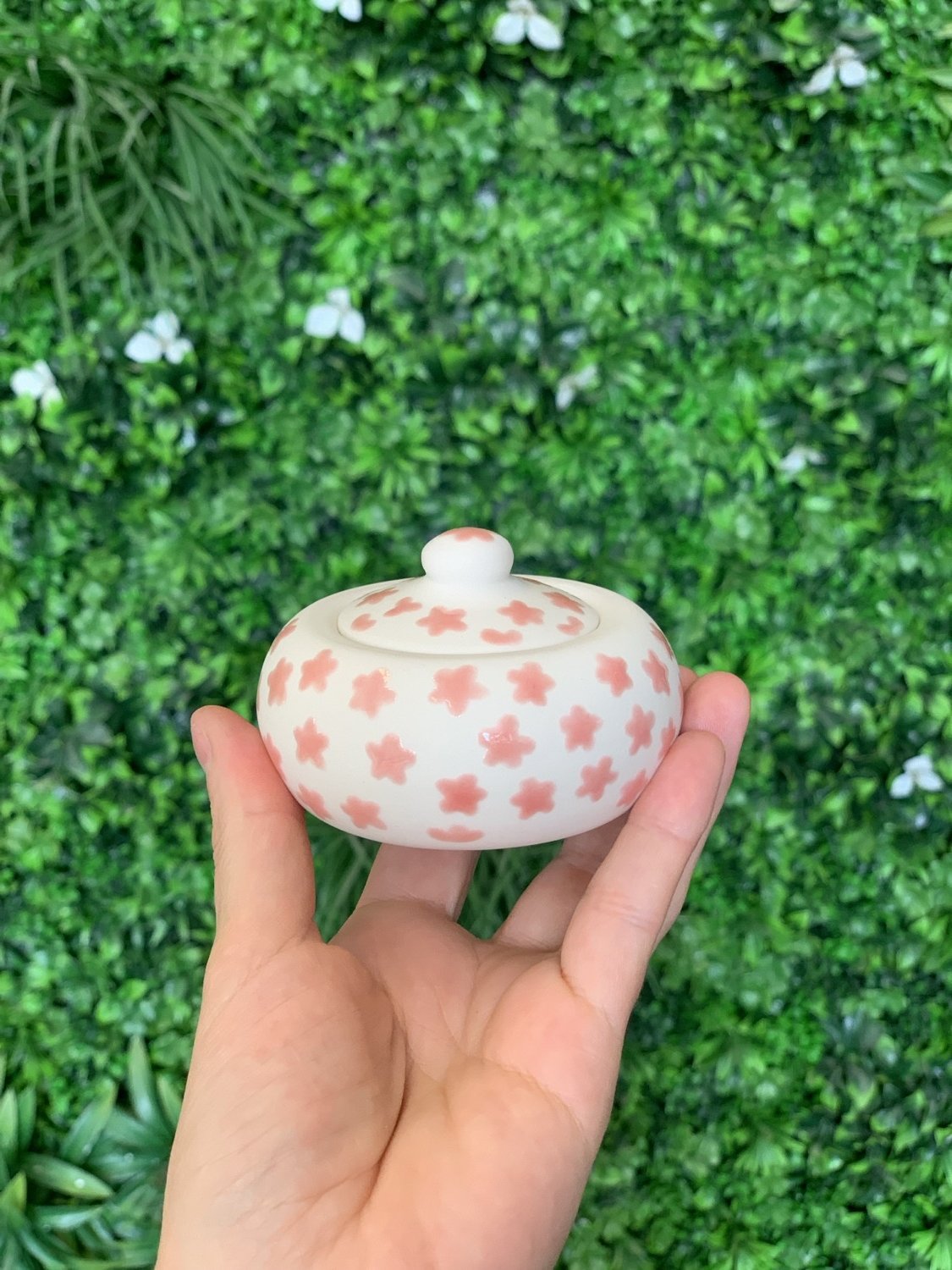
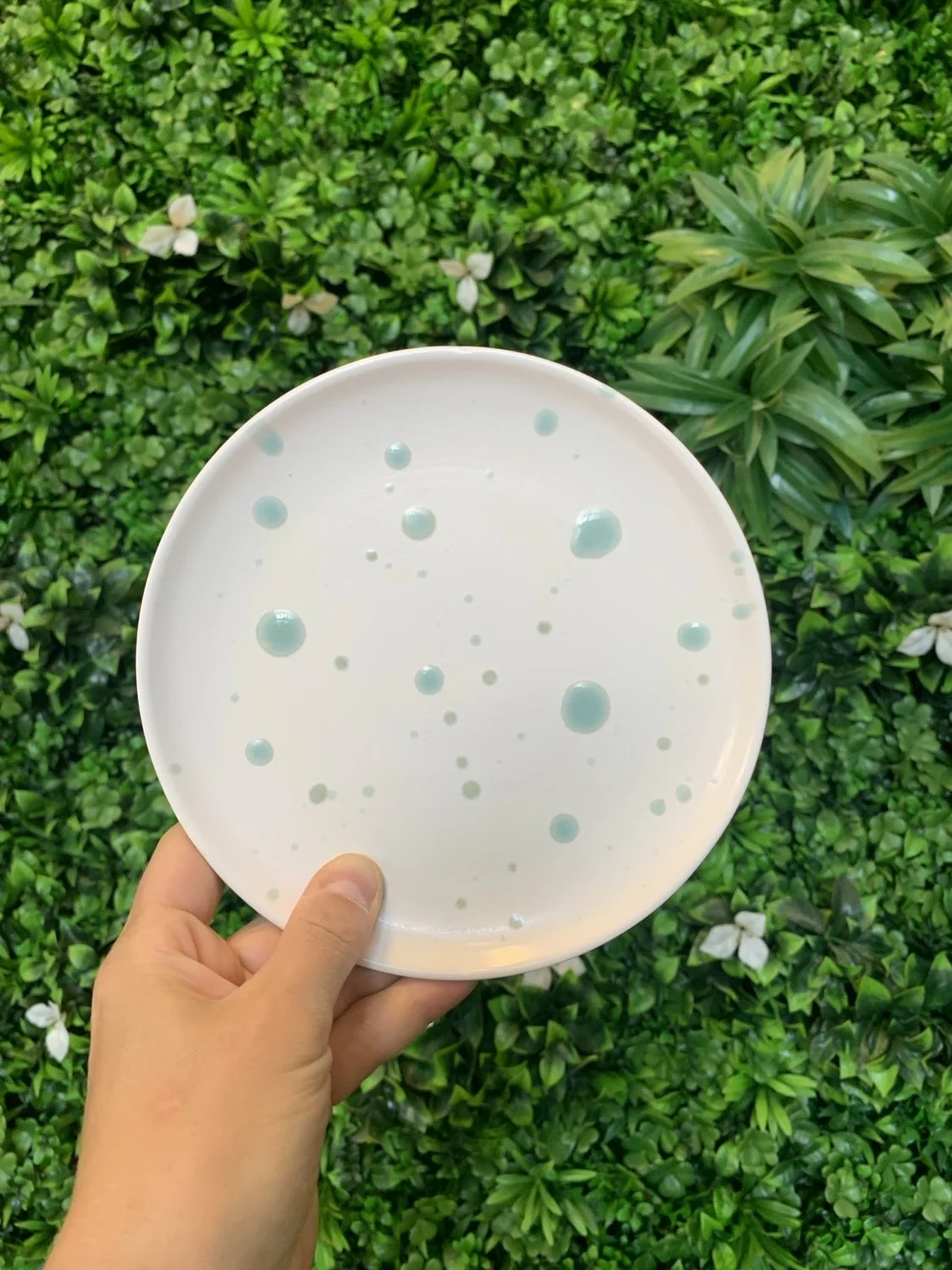
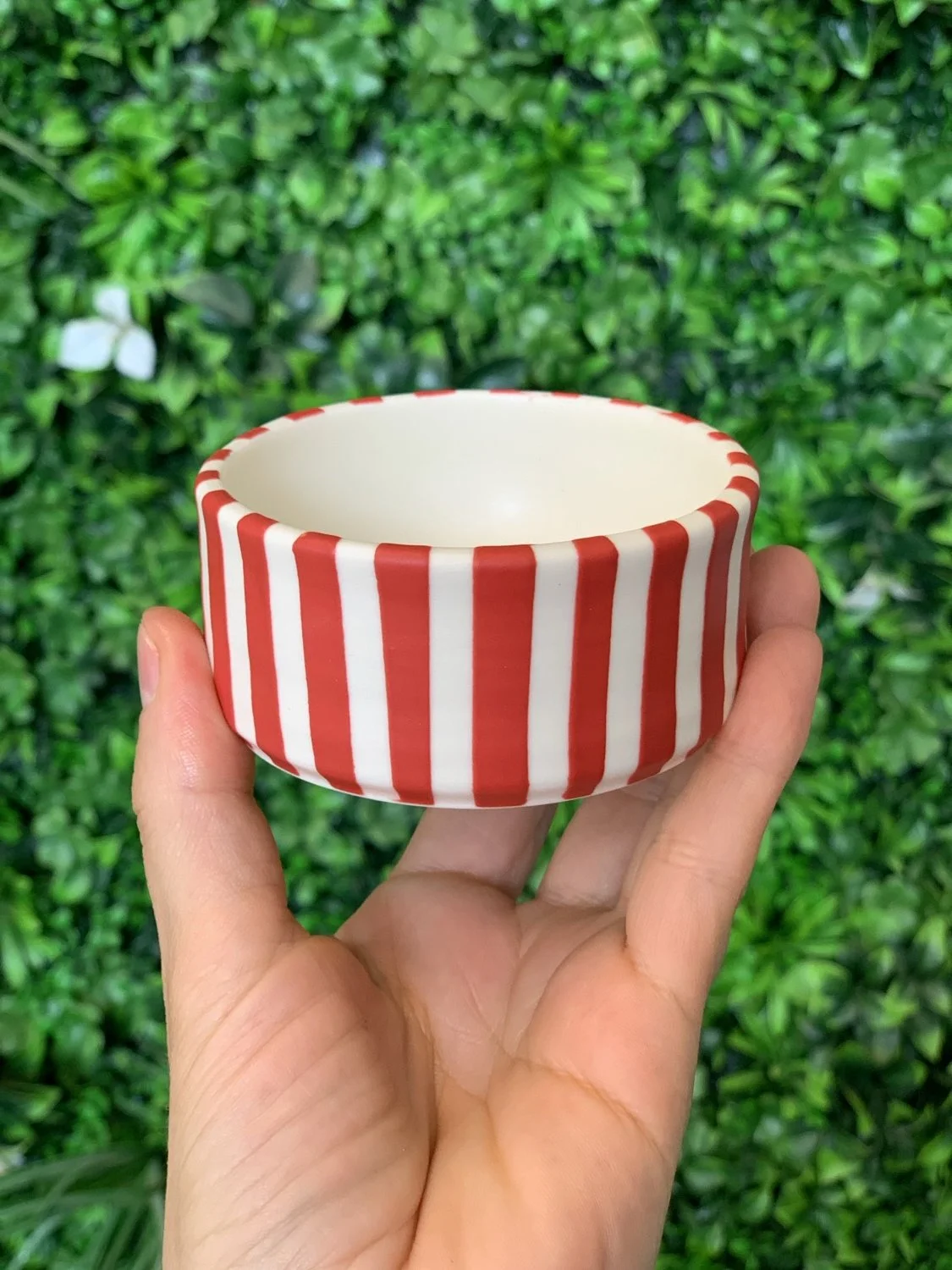
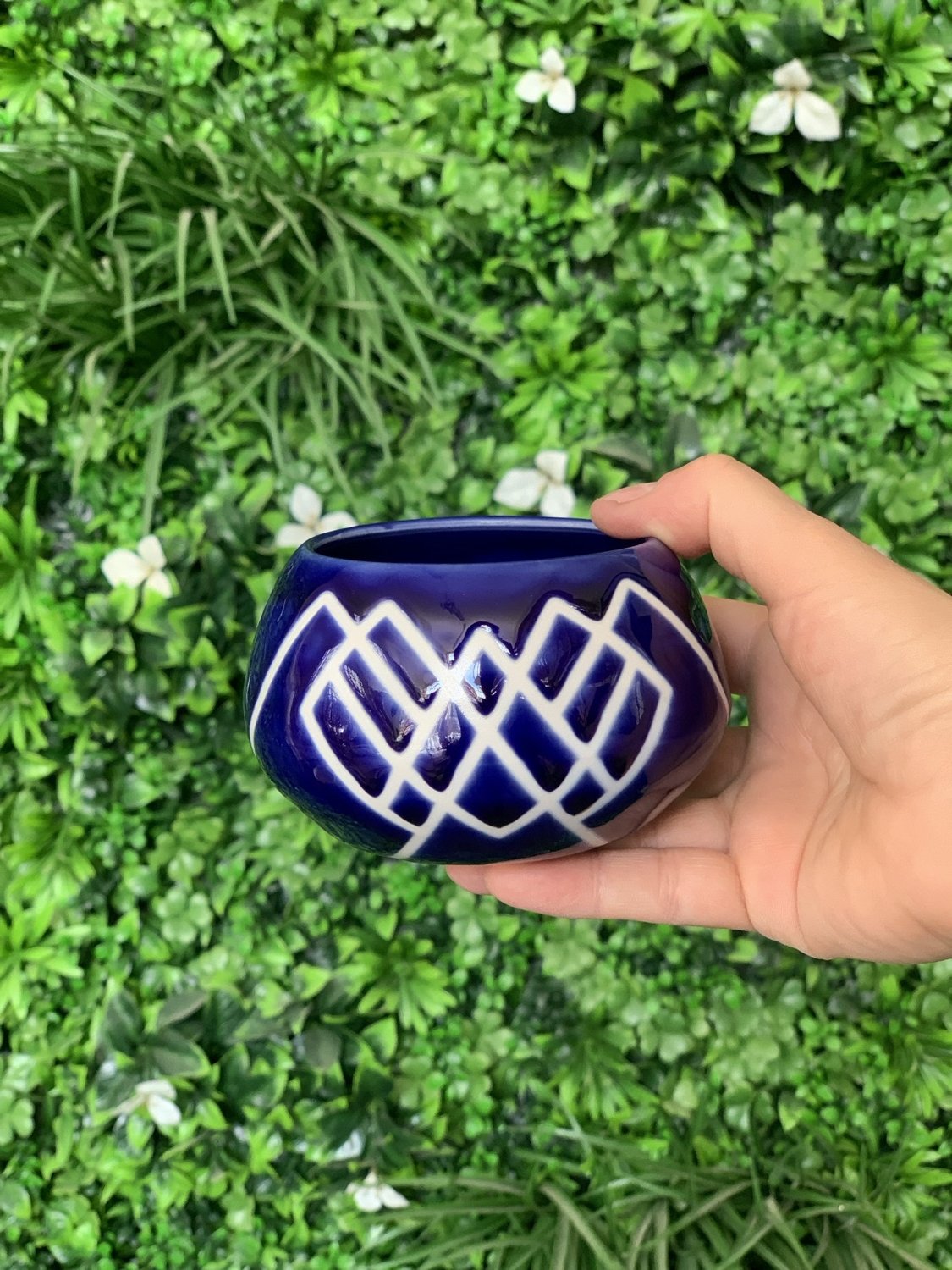
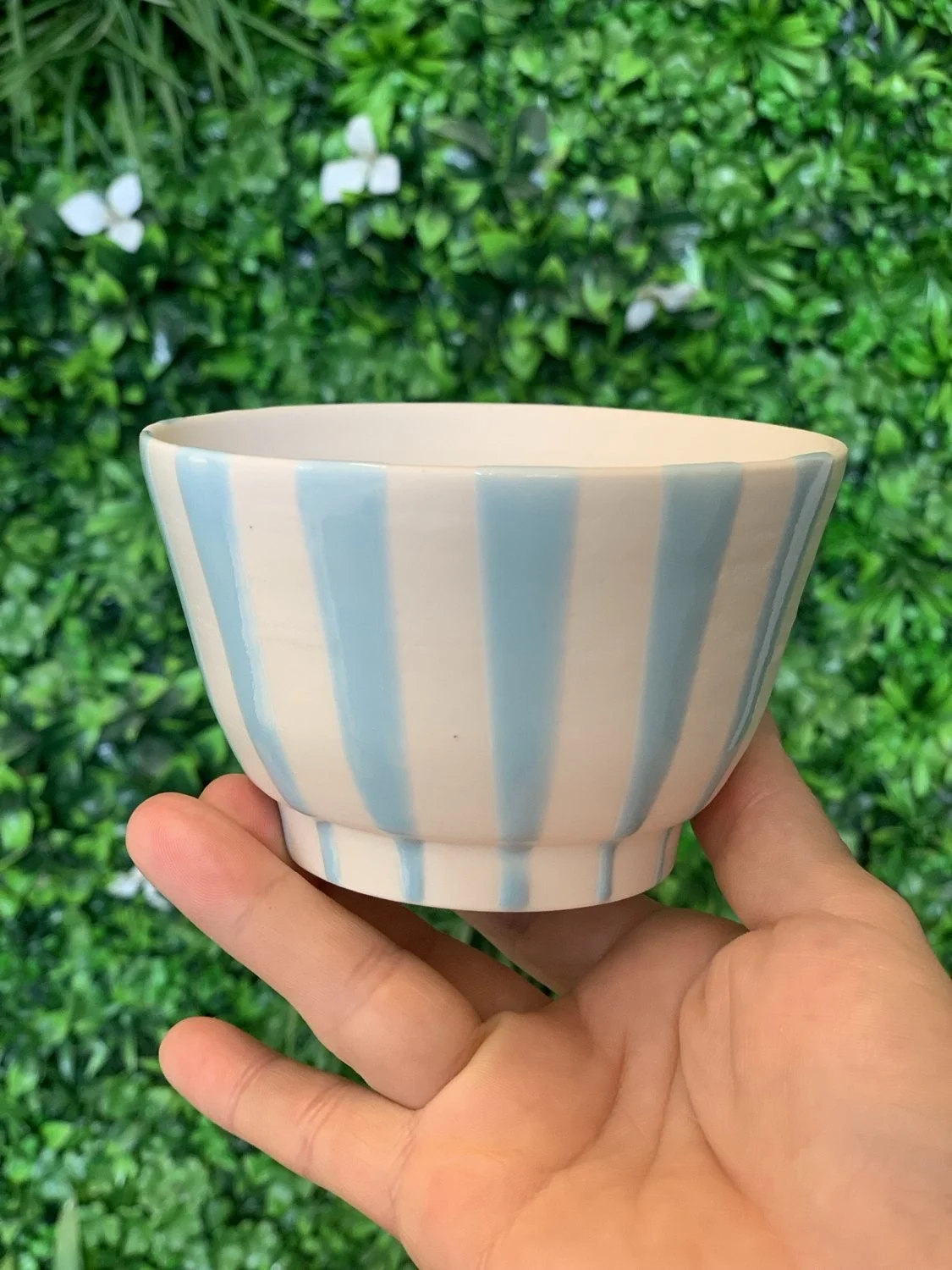
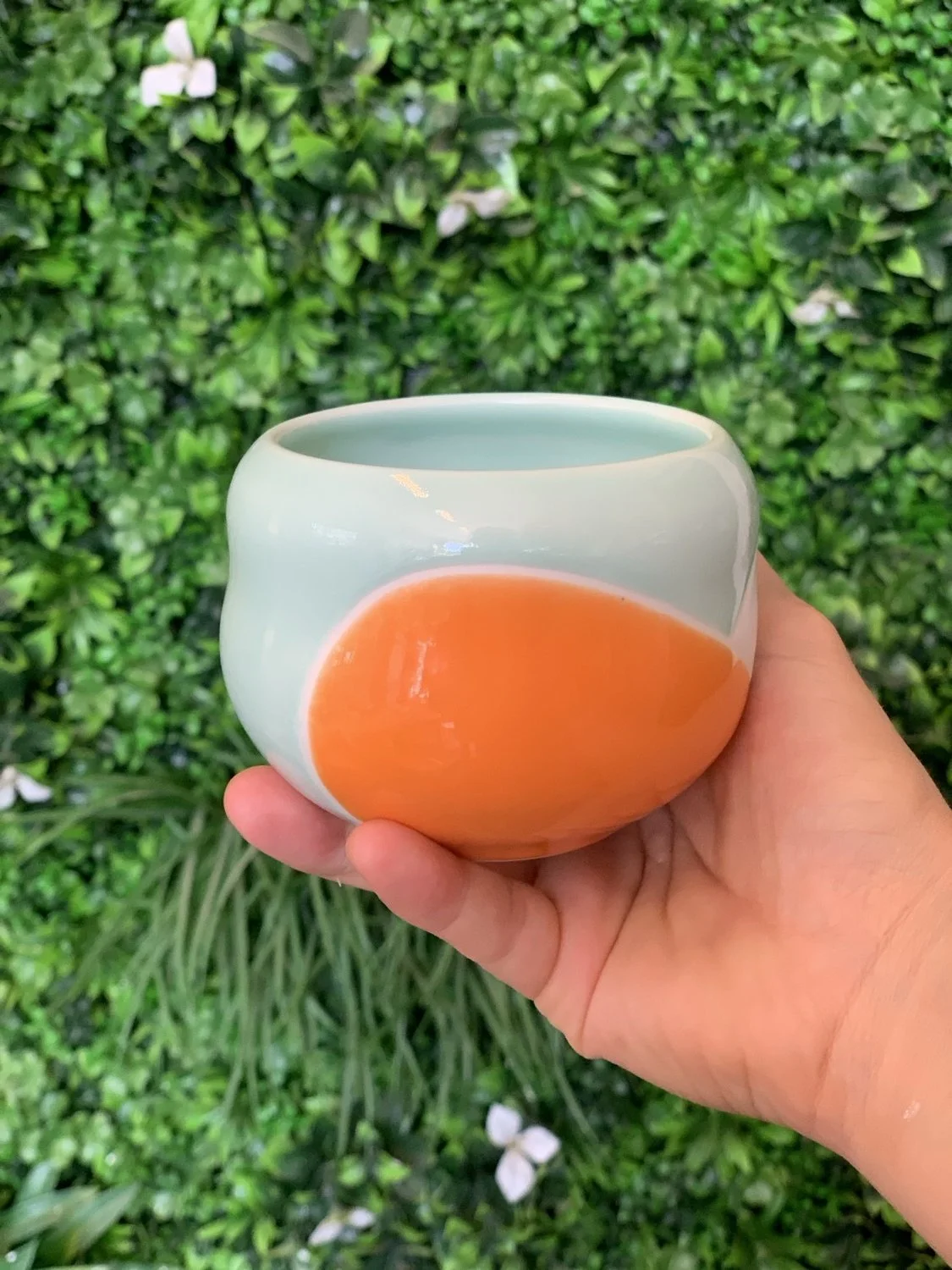
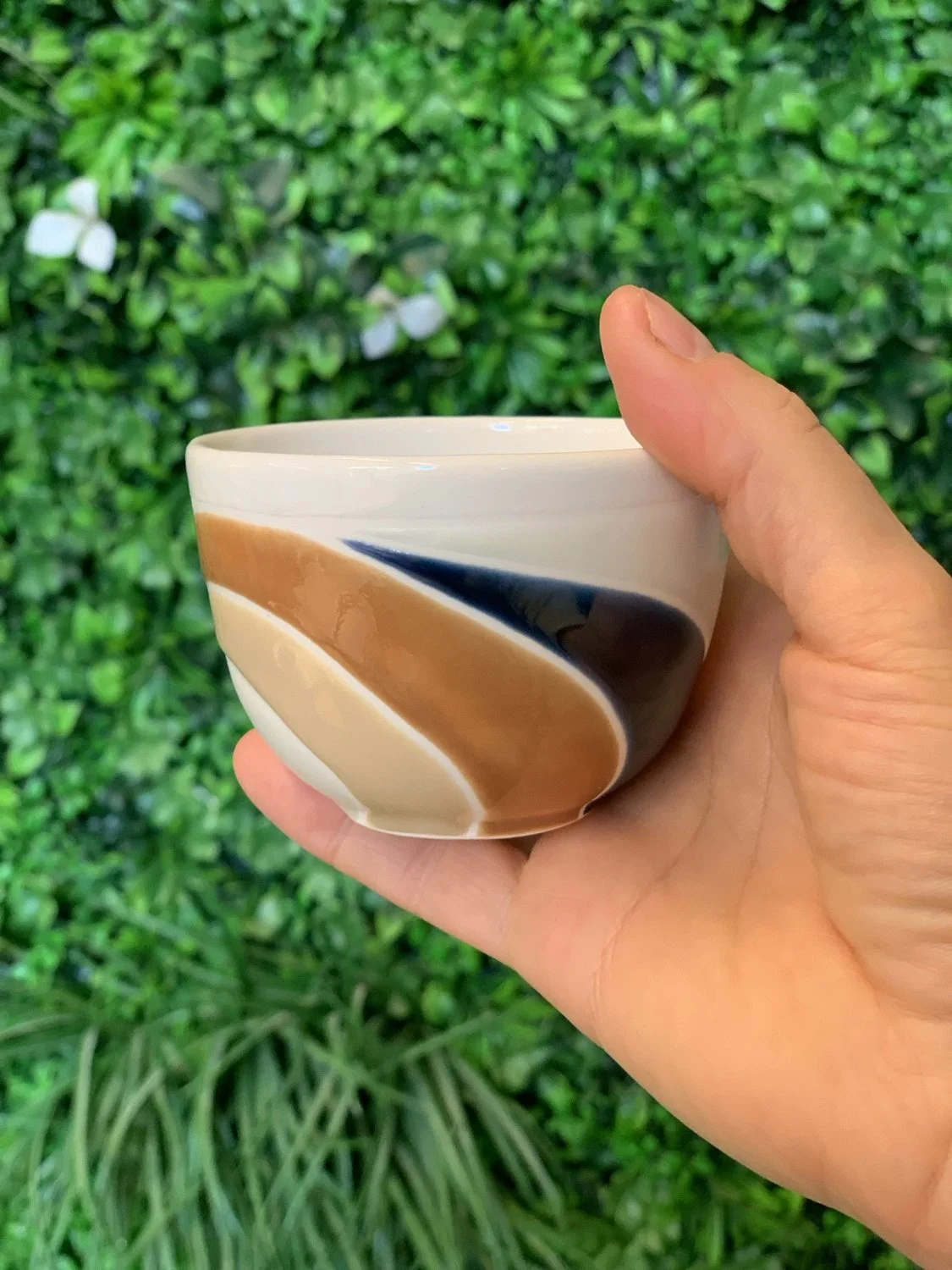
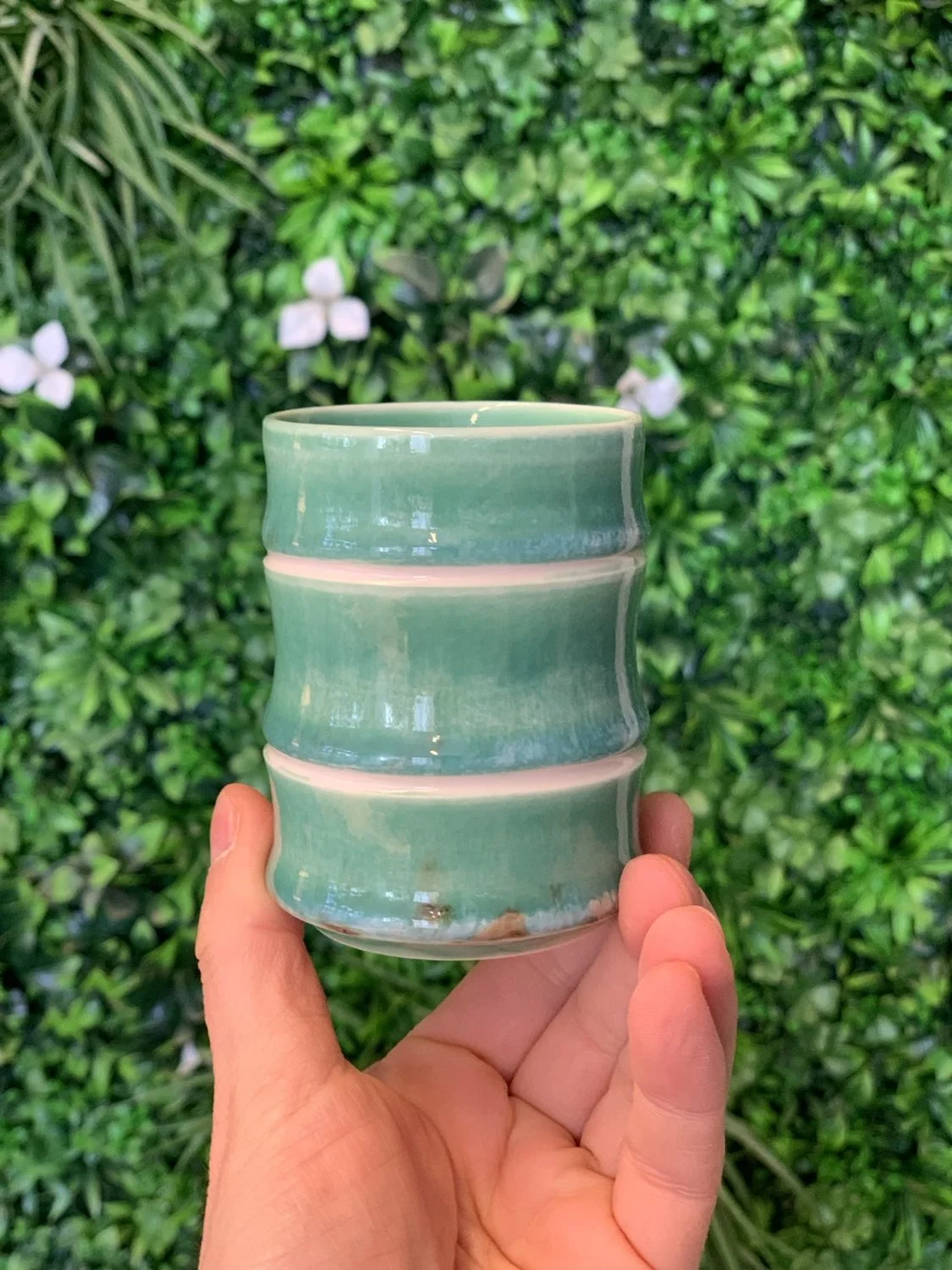
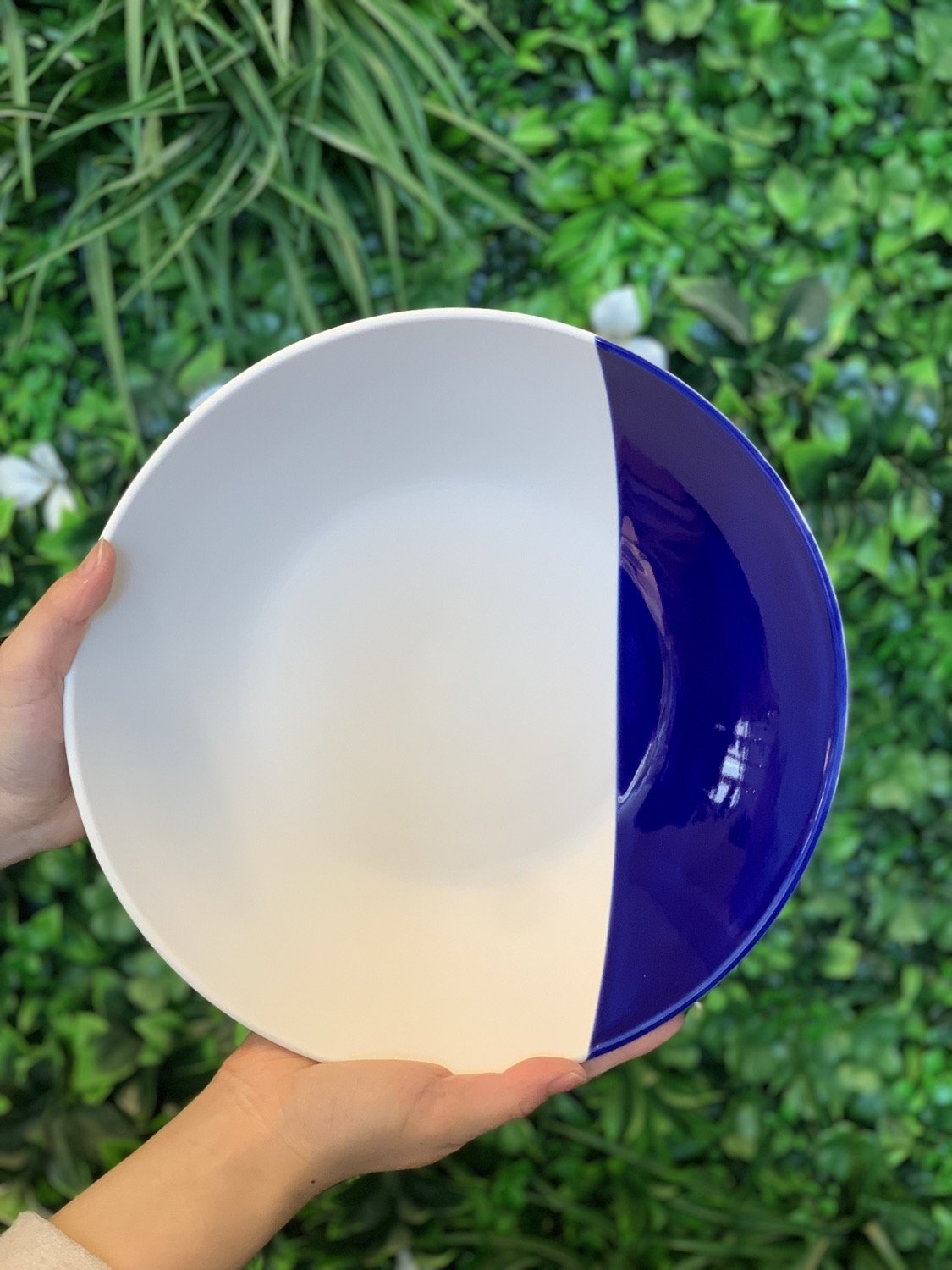
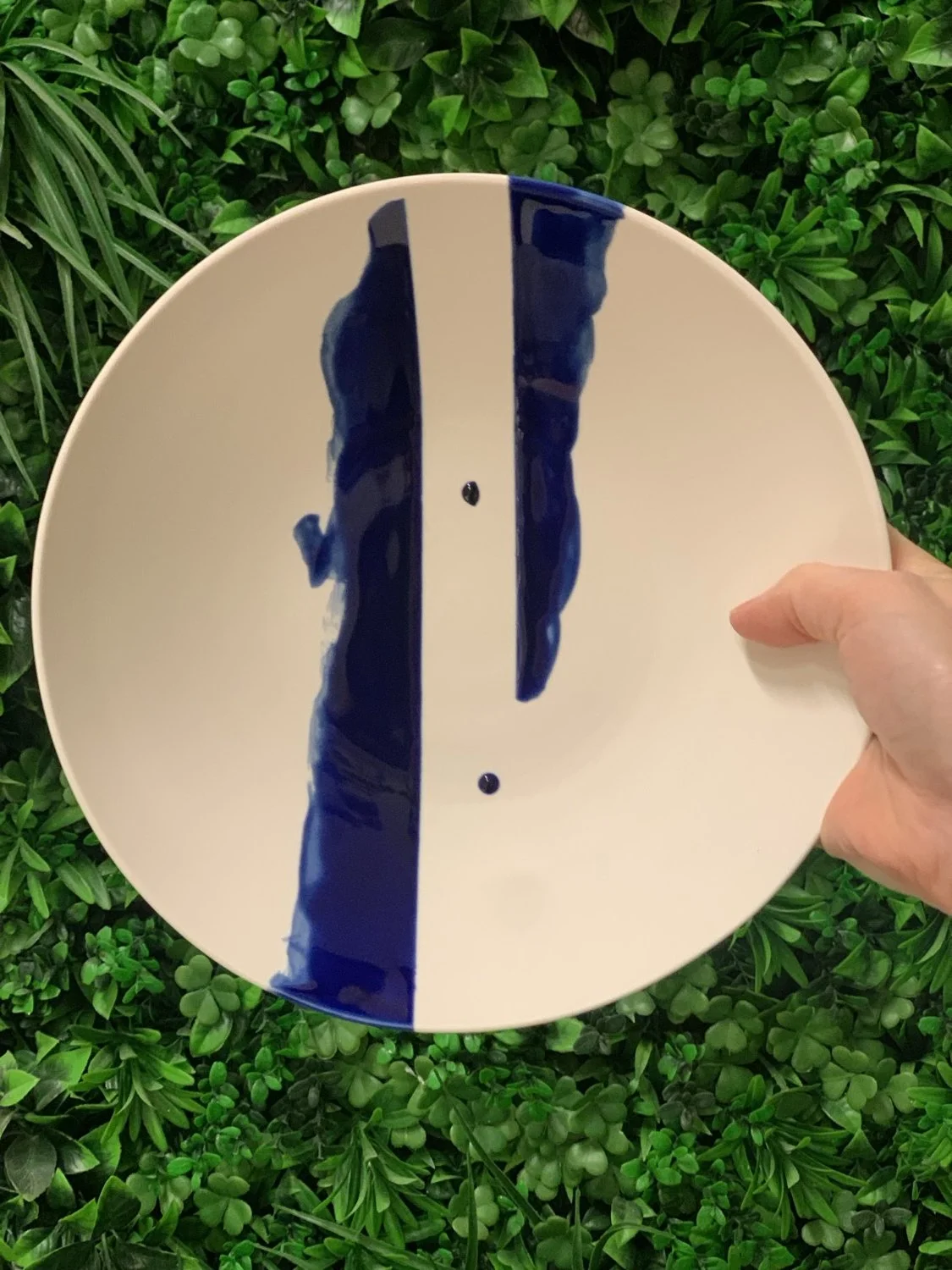
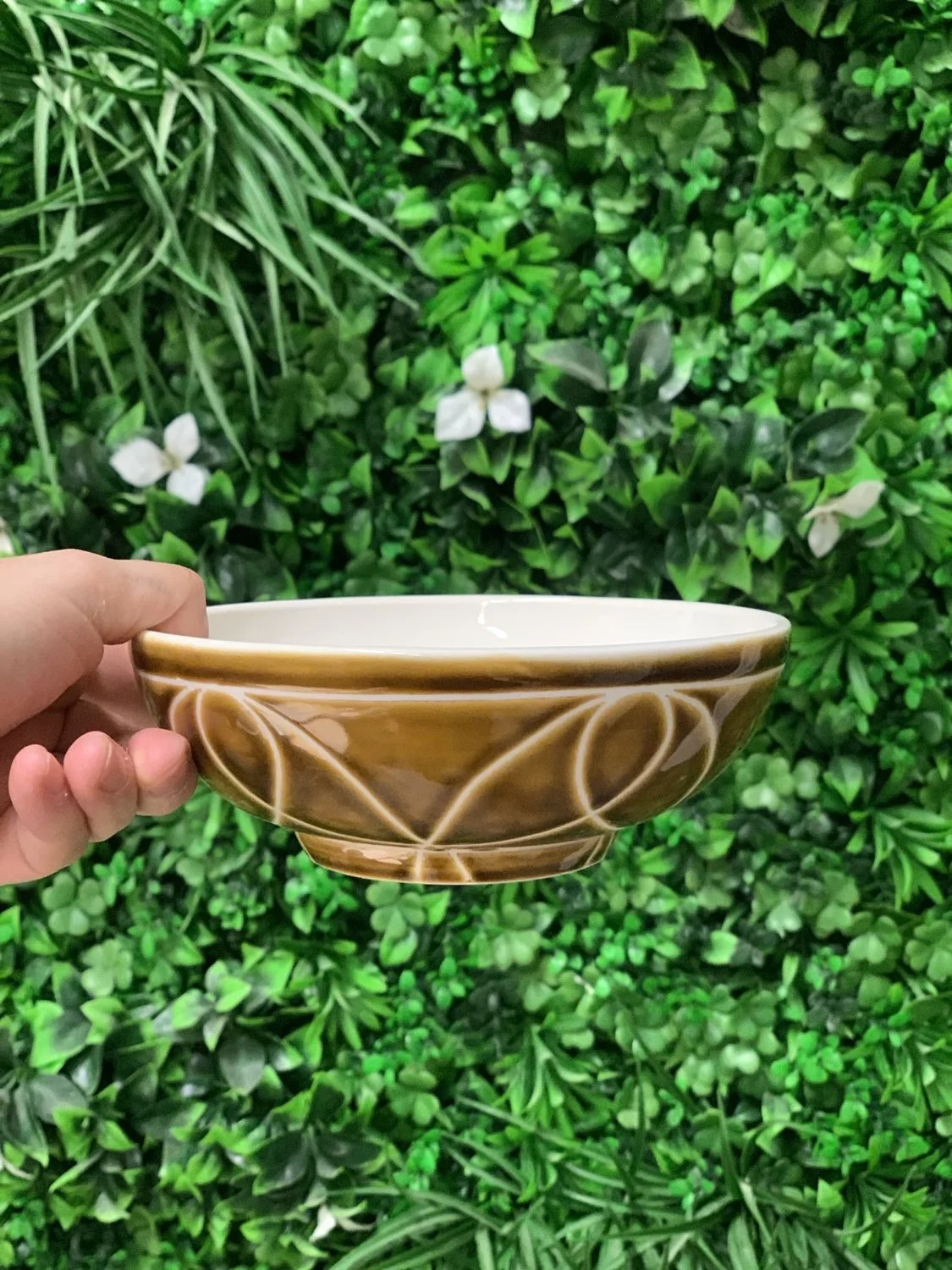
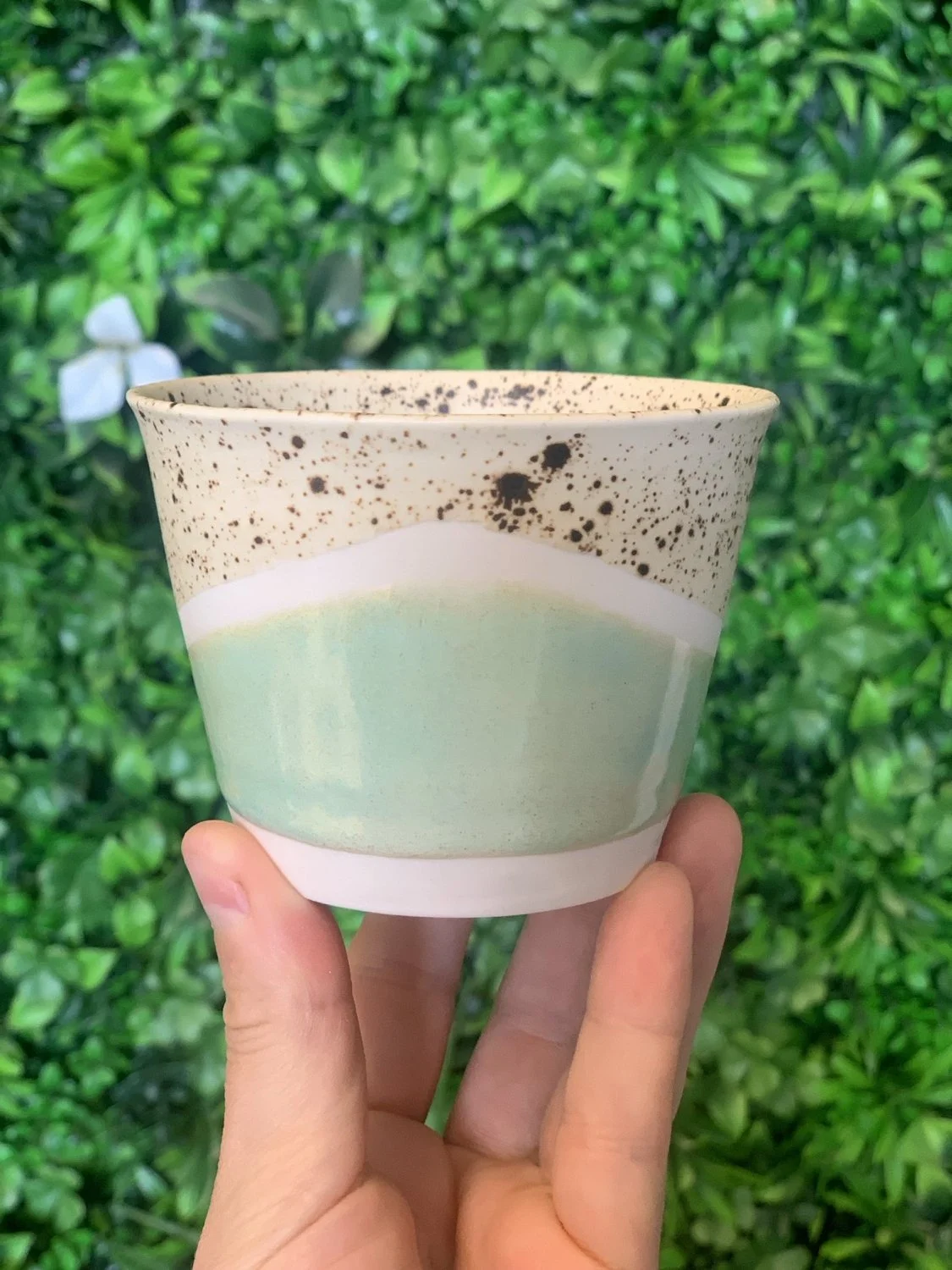
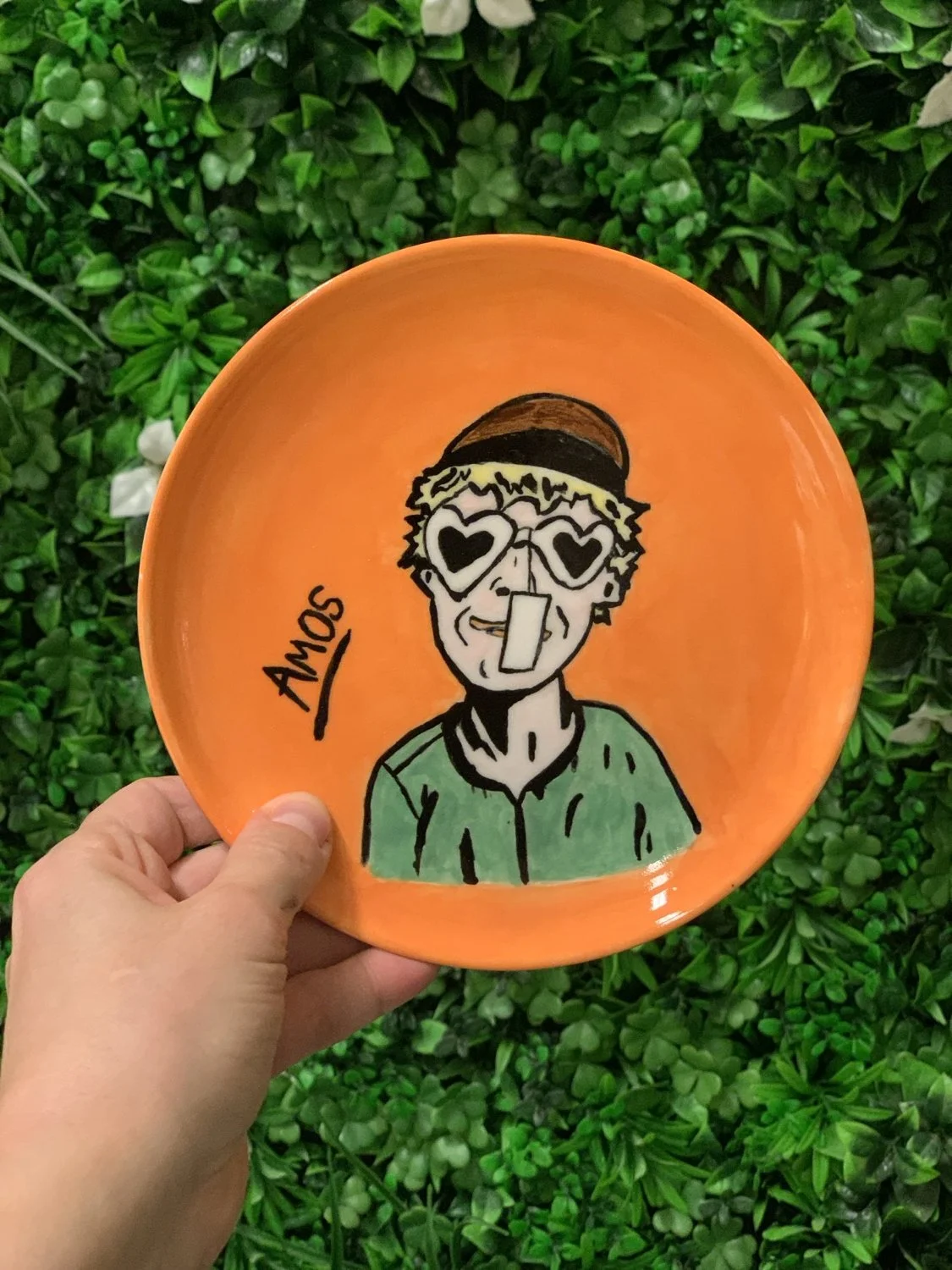
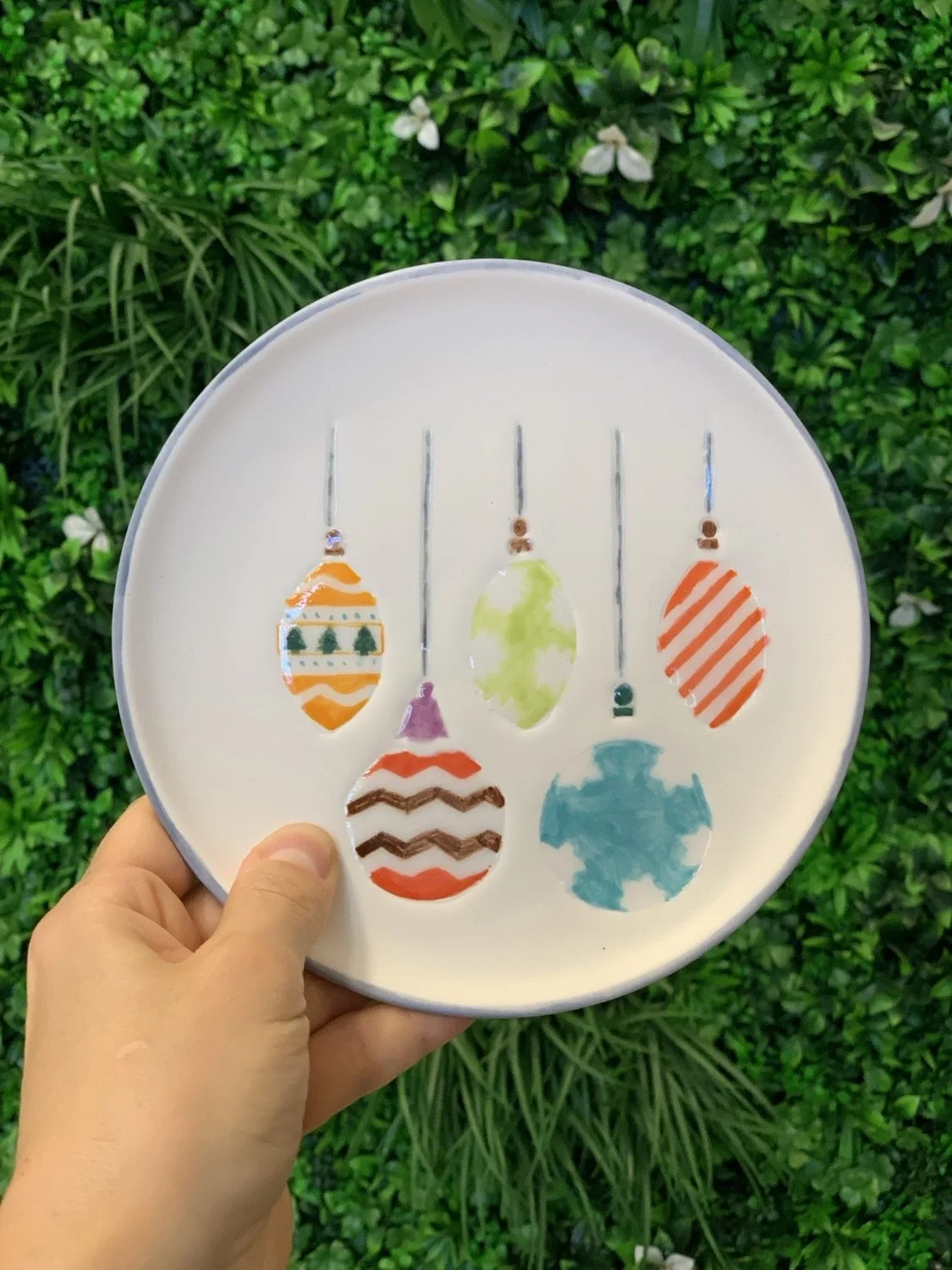
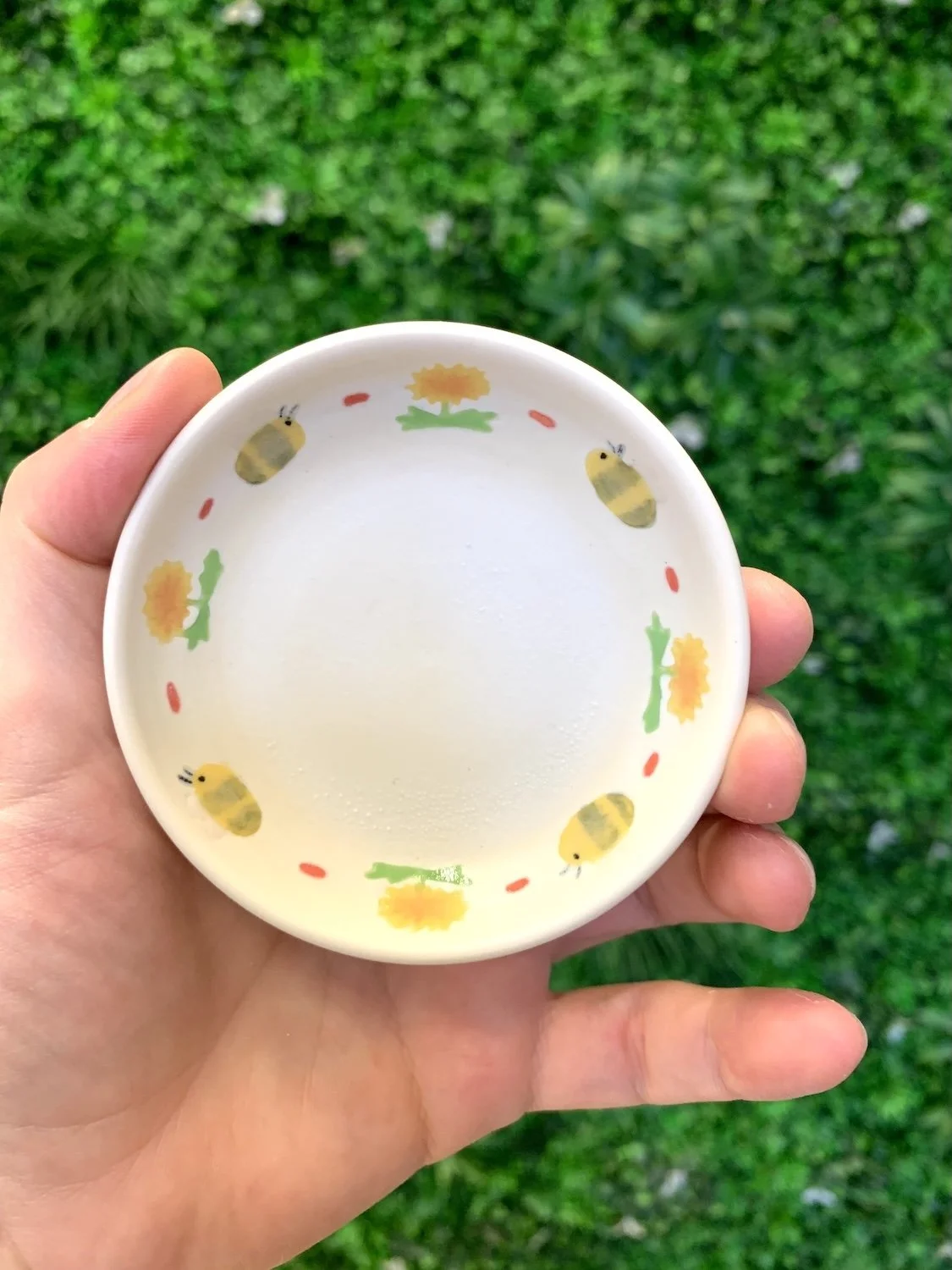
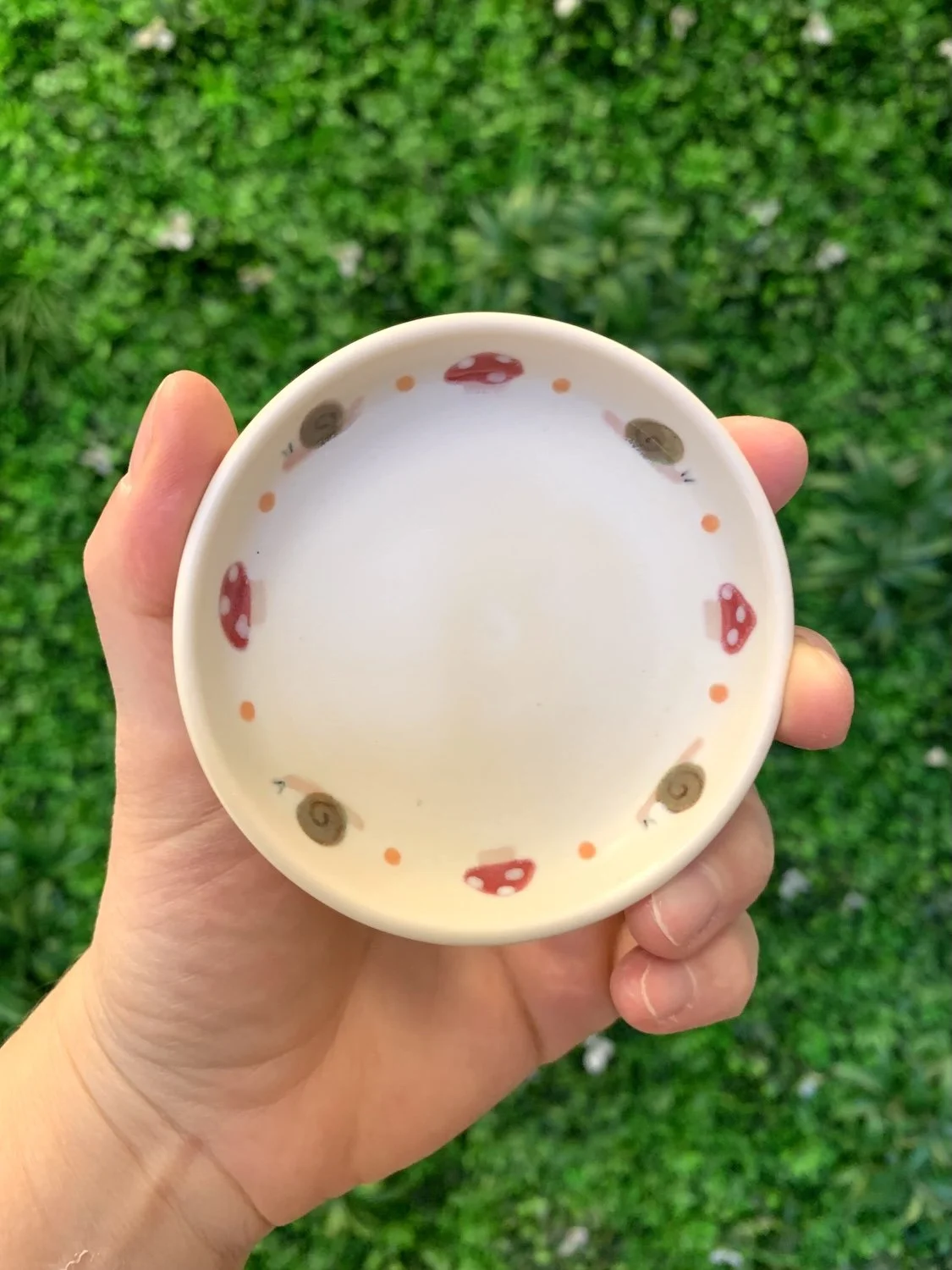
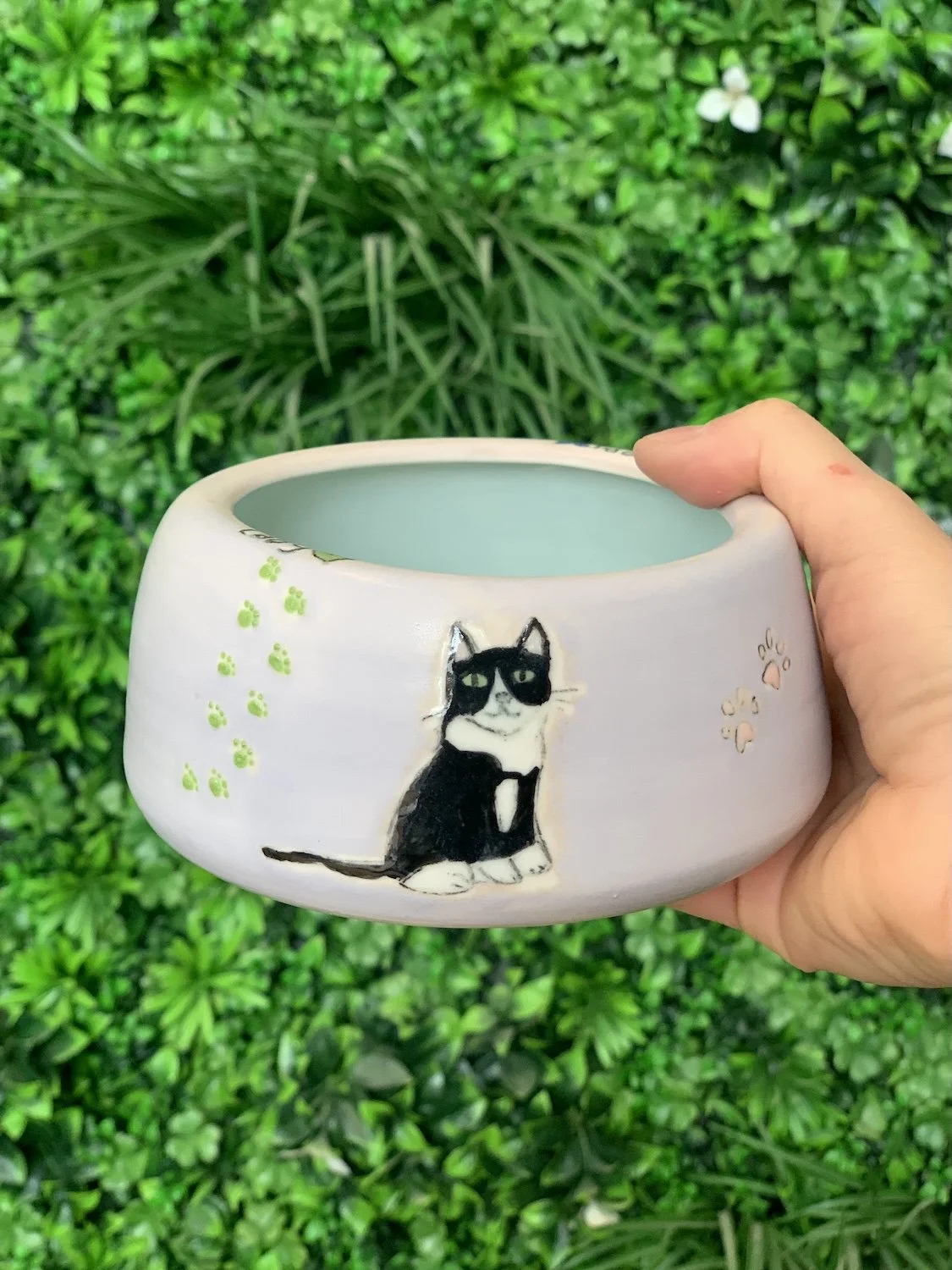
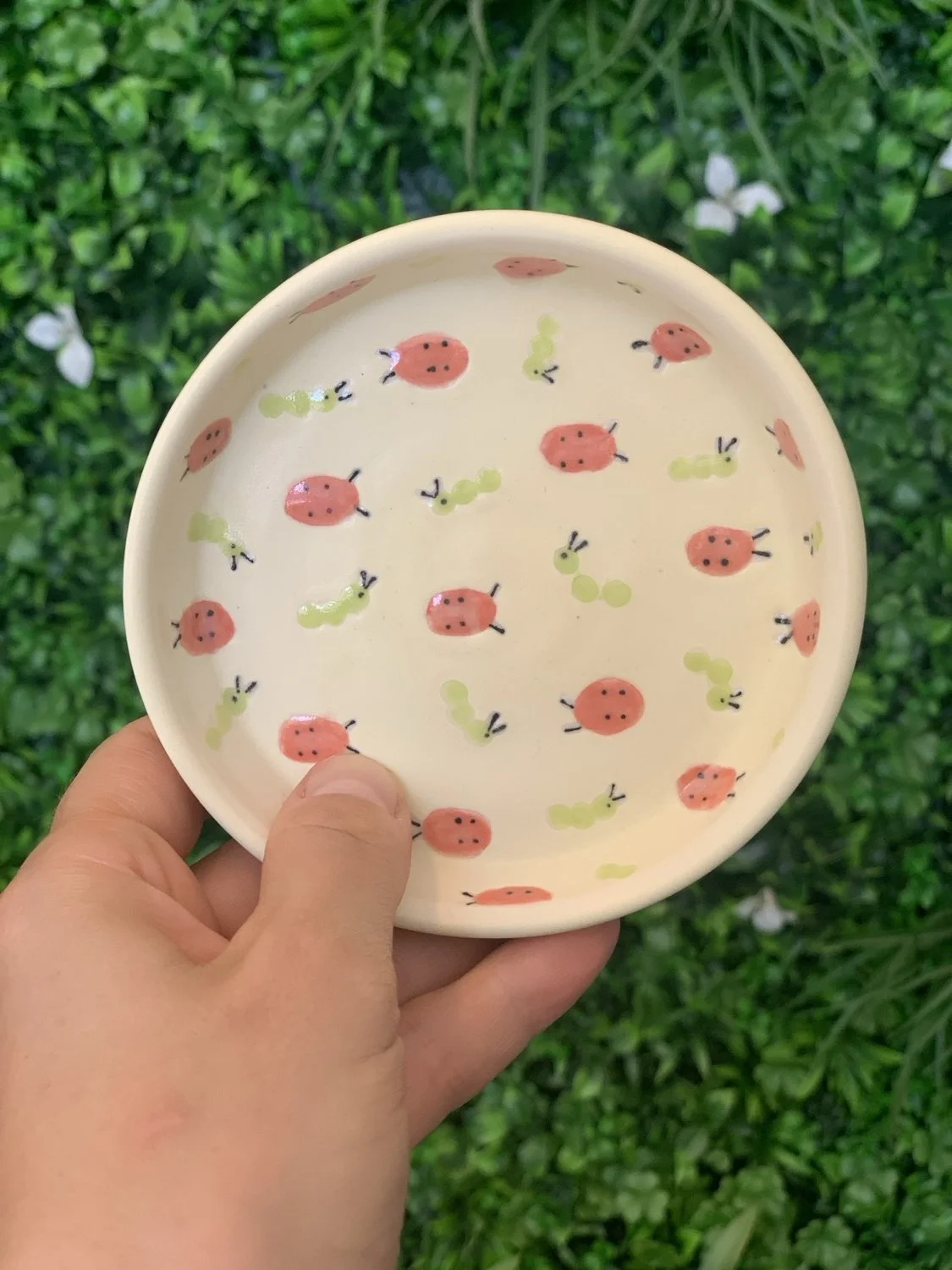
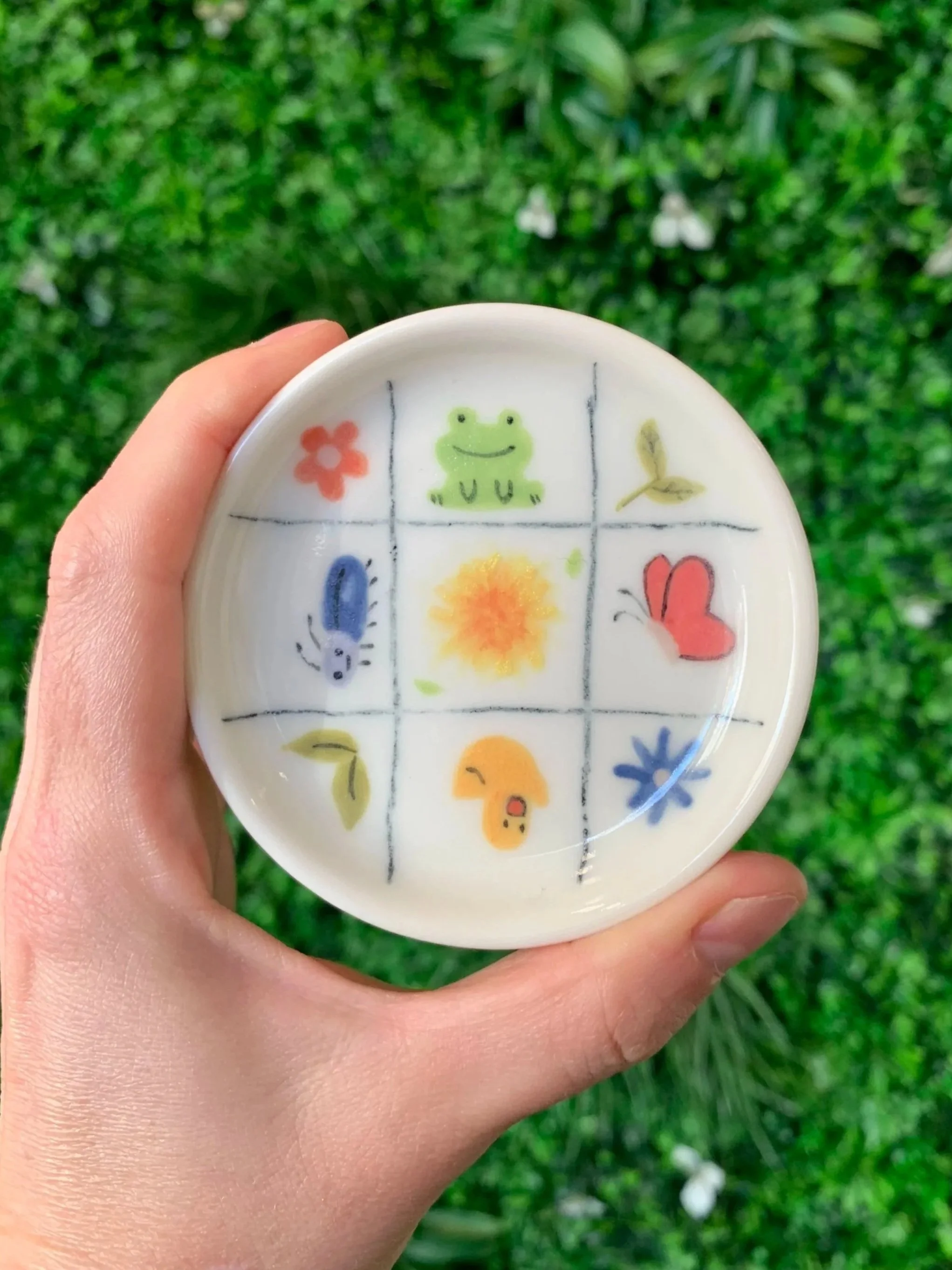
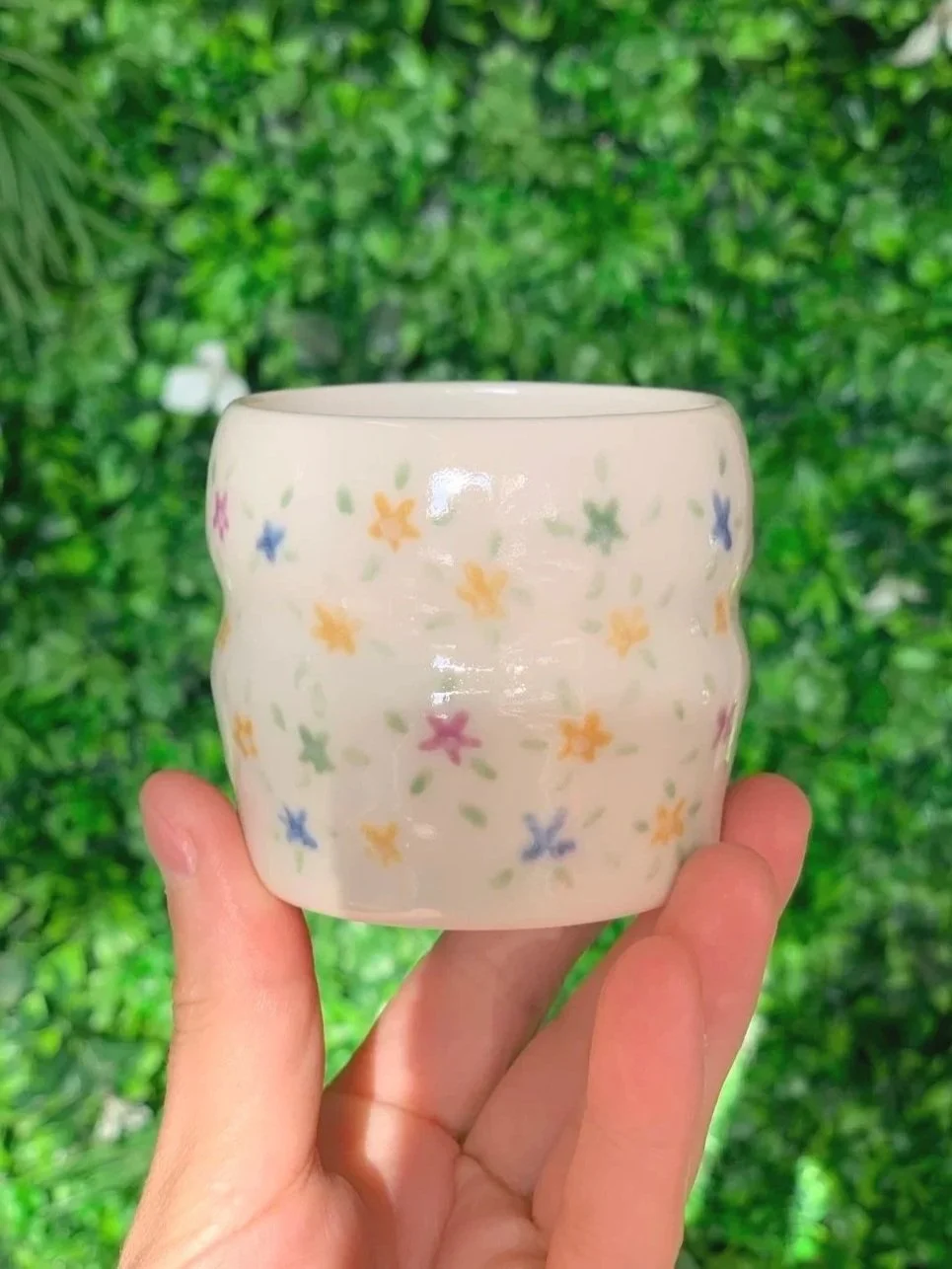
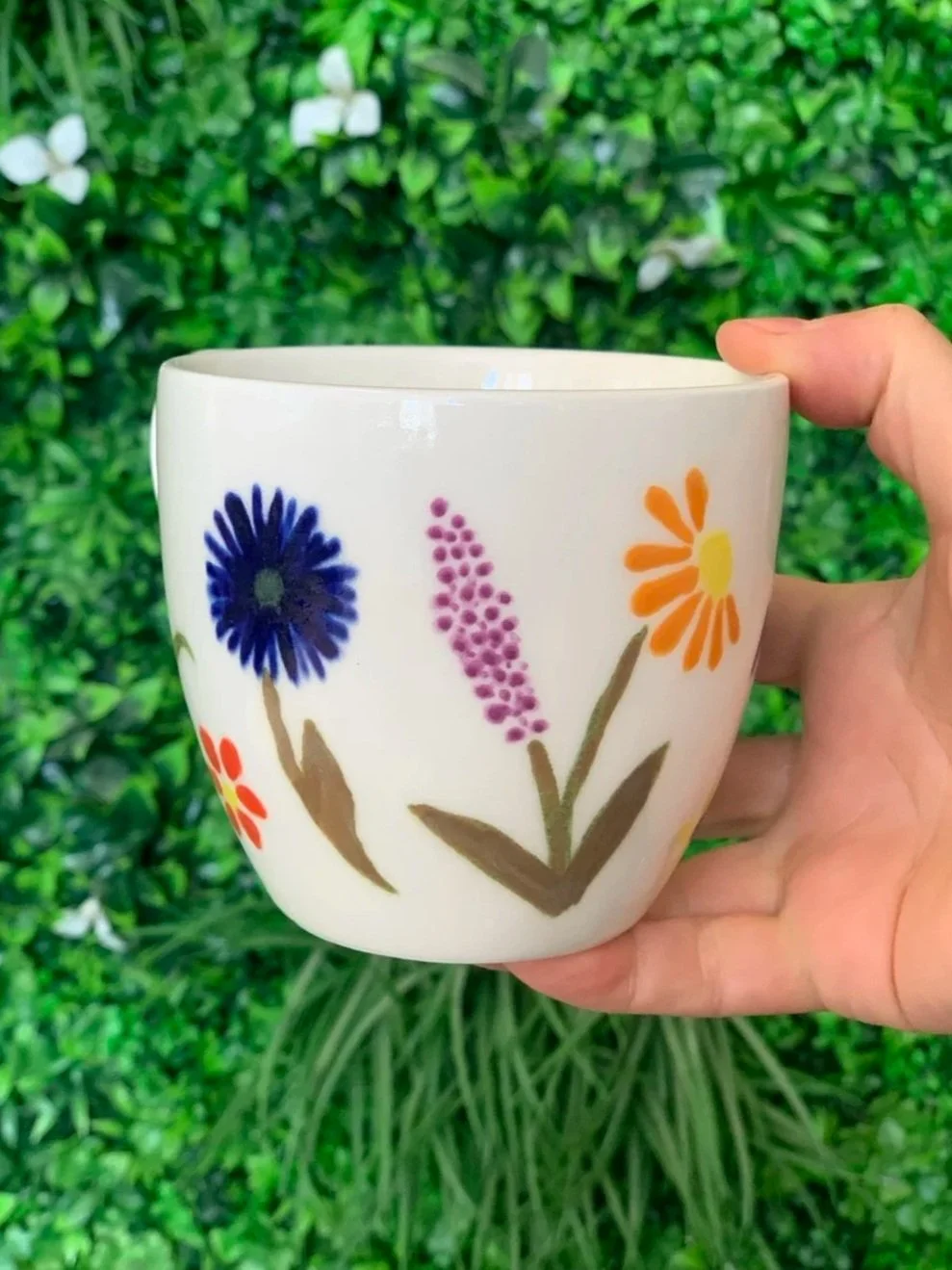
UNDERGLAZE GALLERY
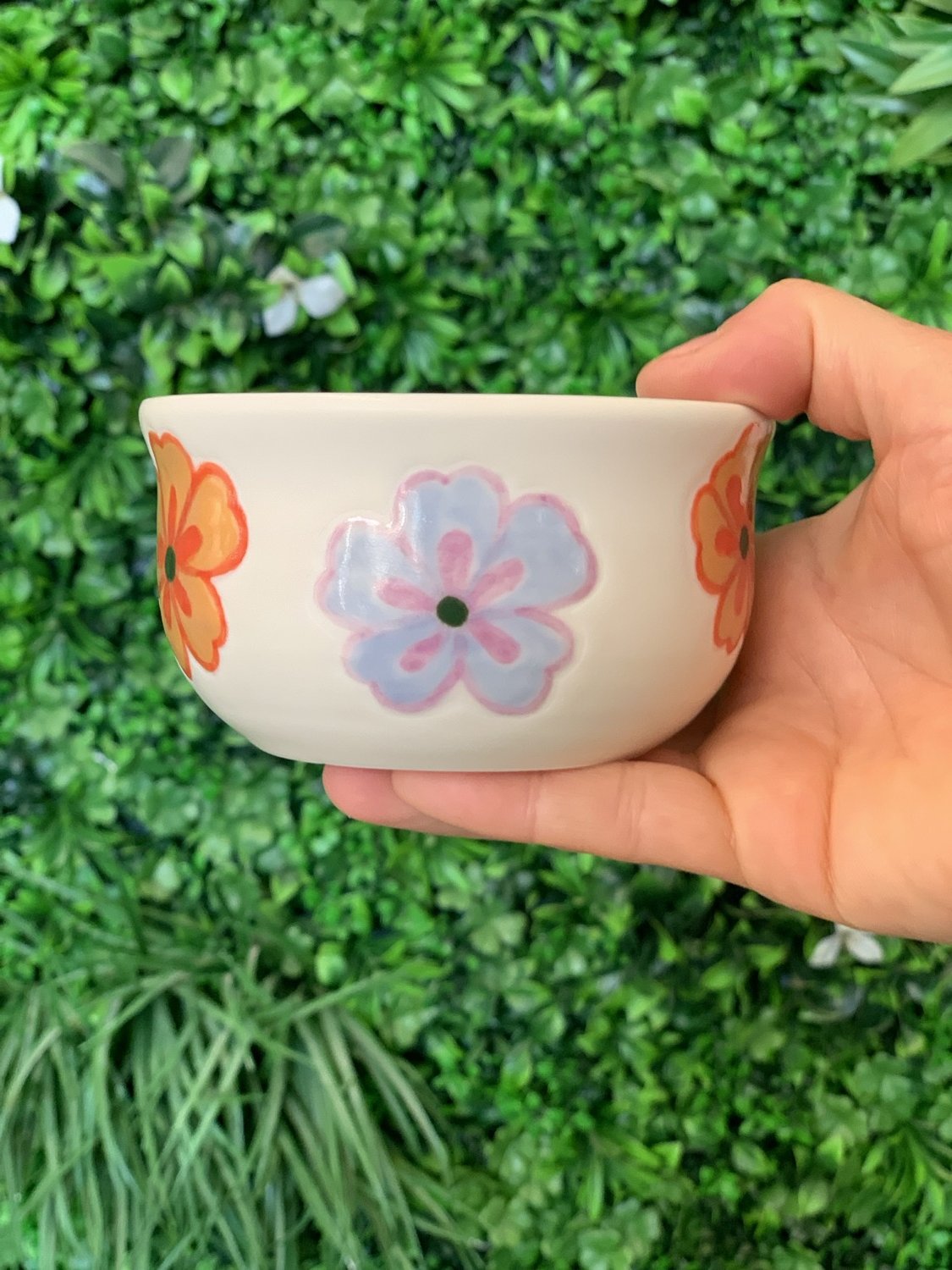
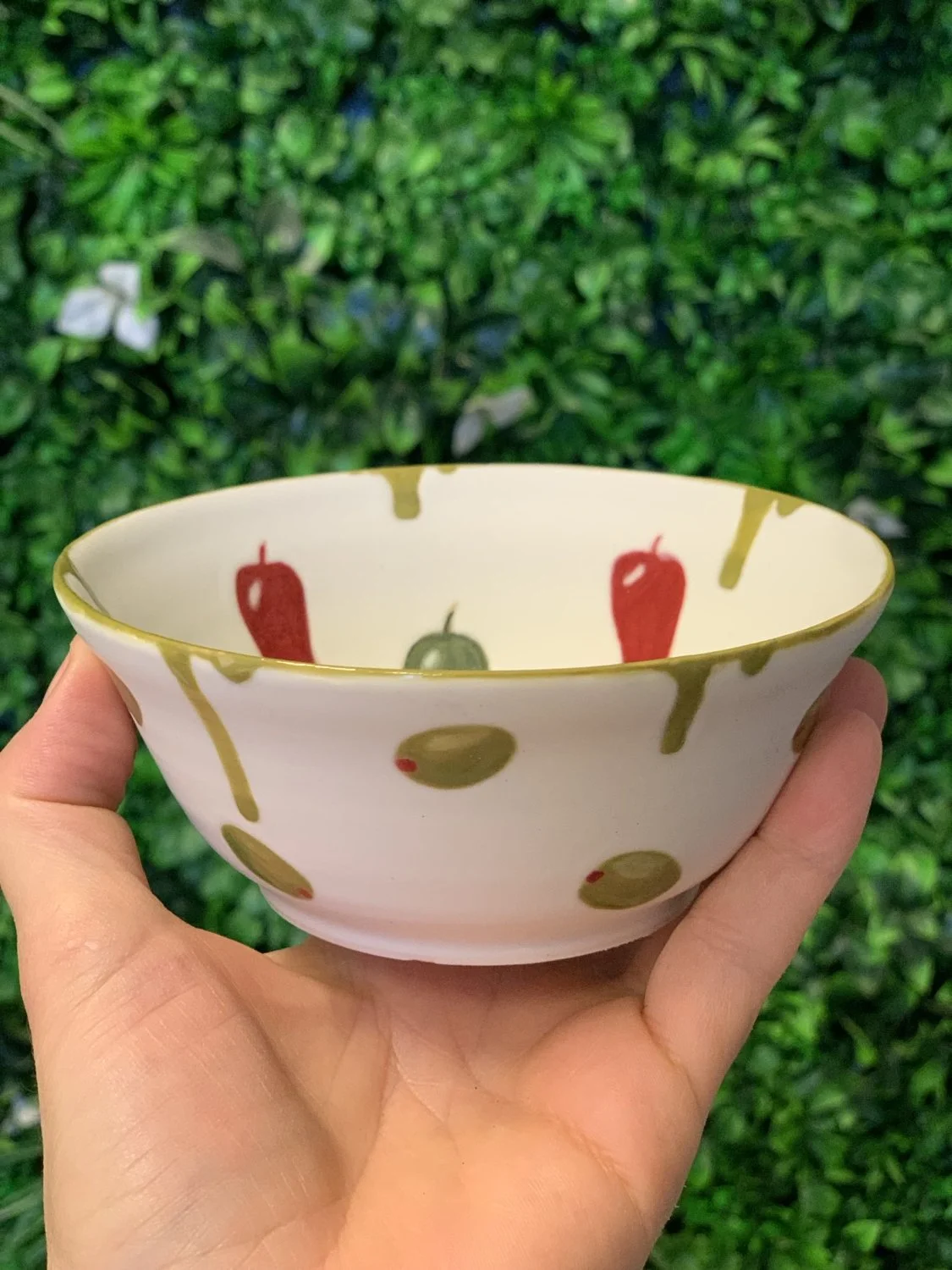
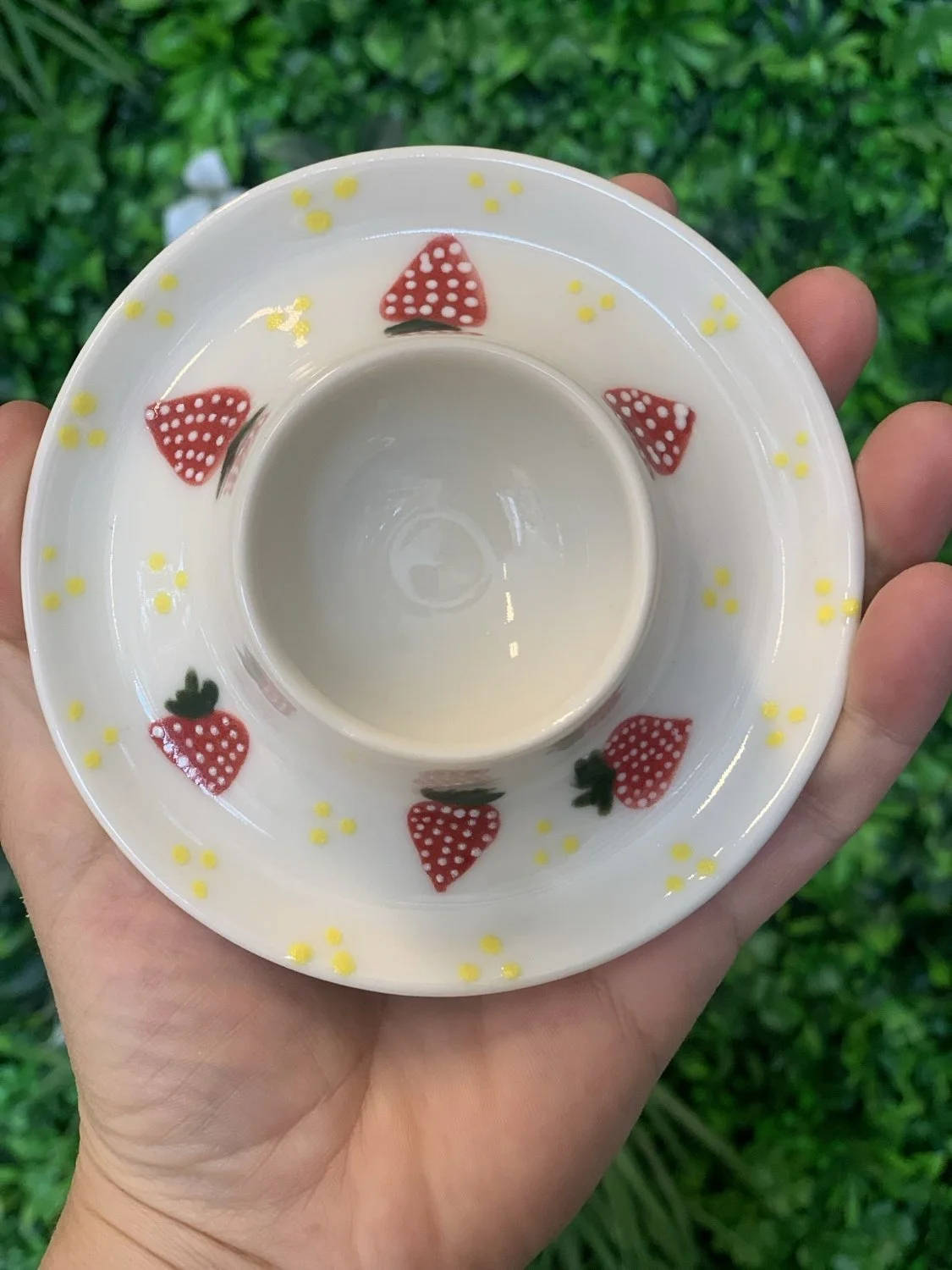
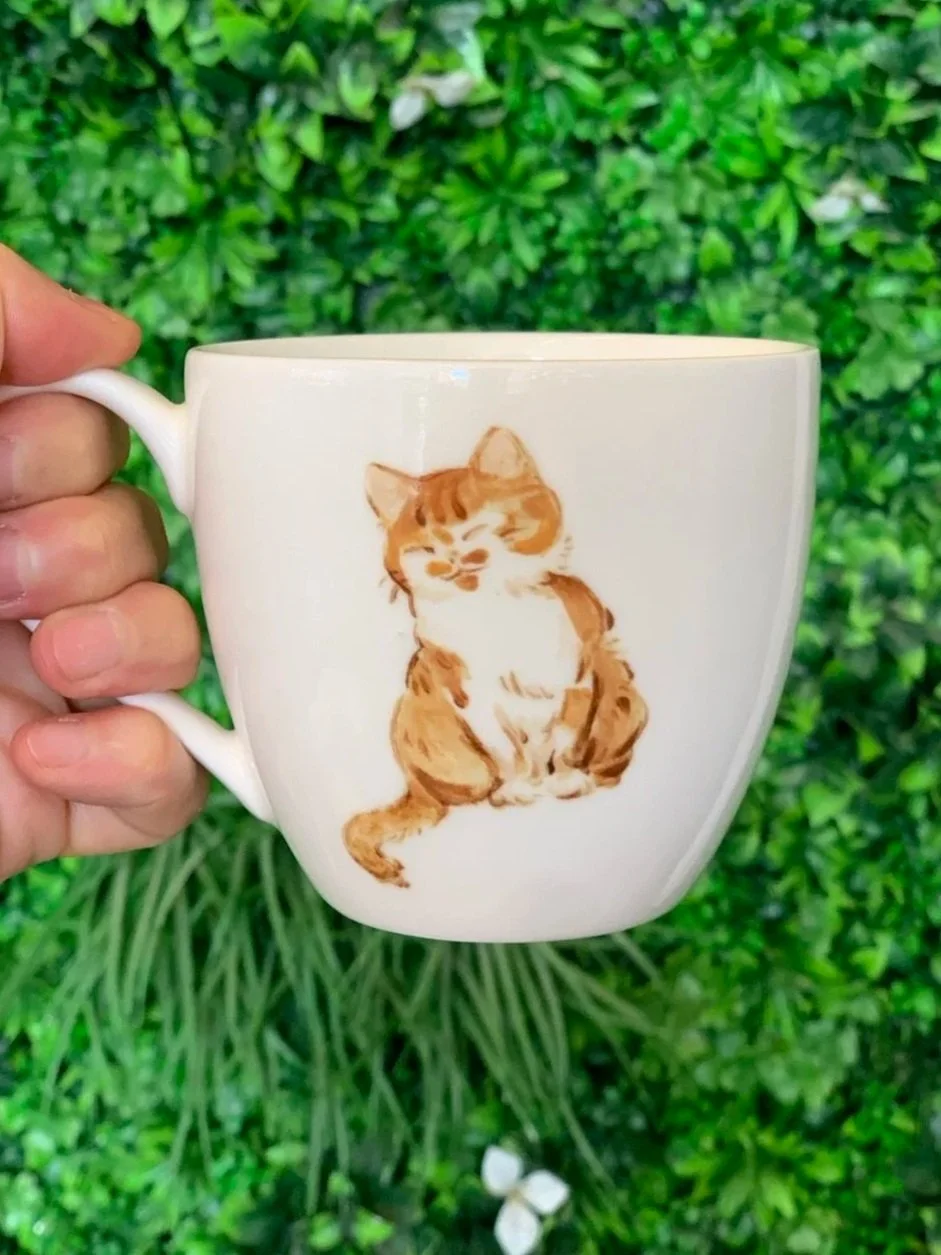
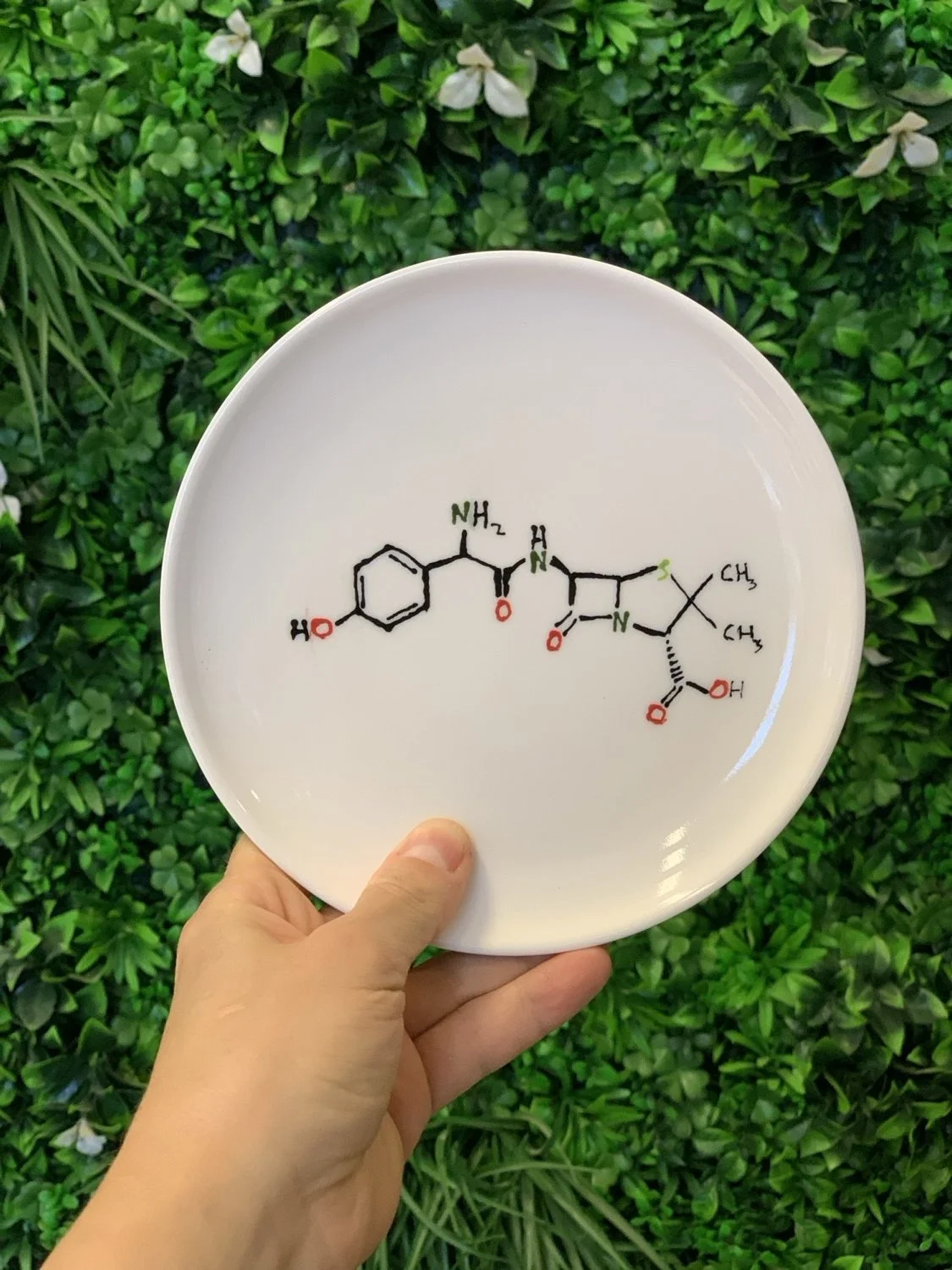
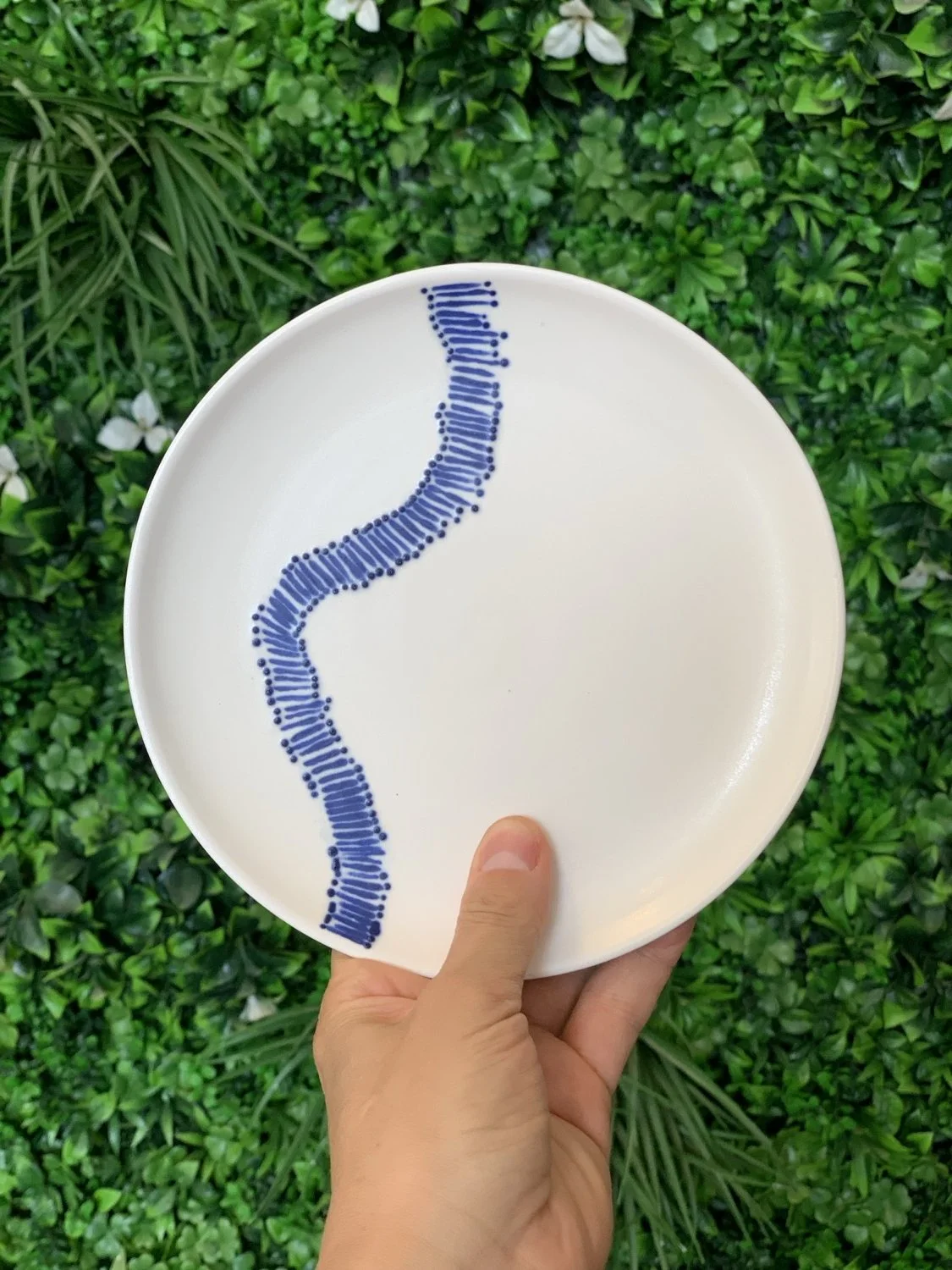
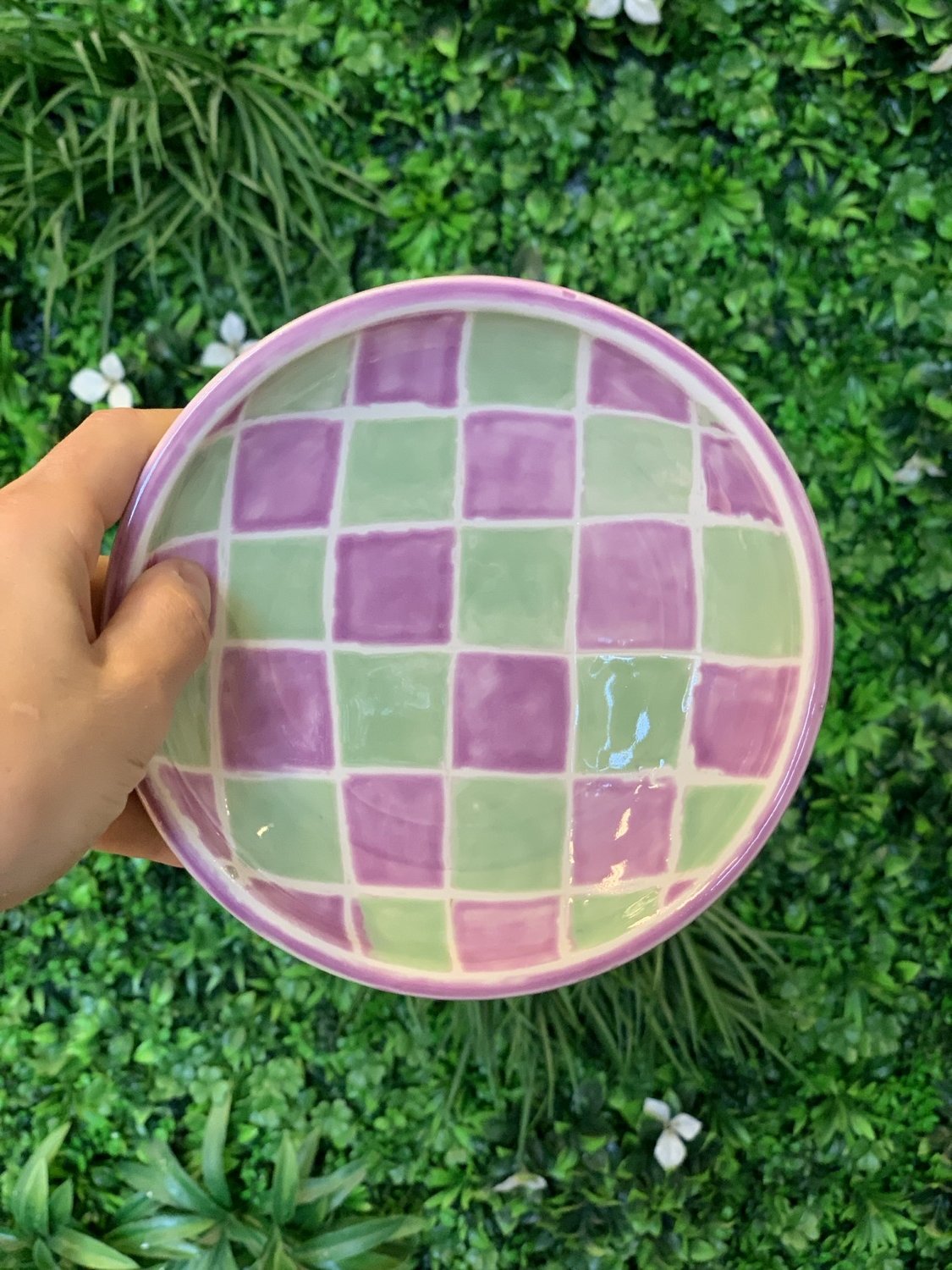
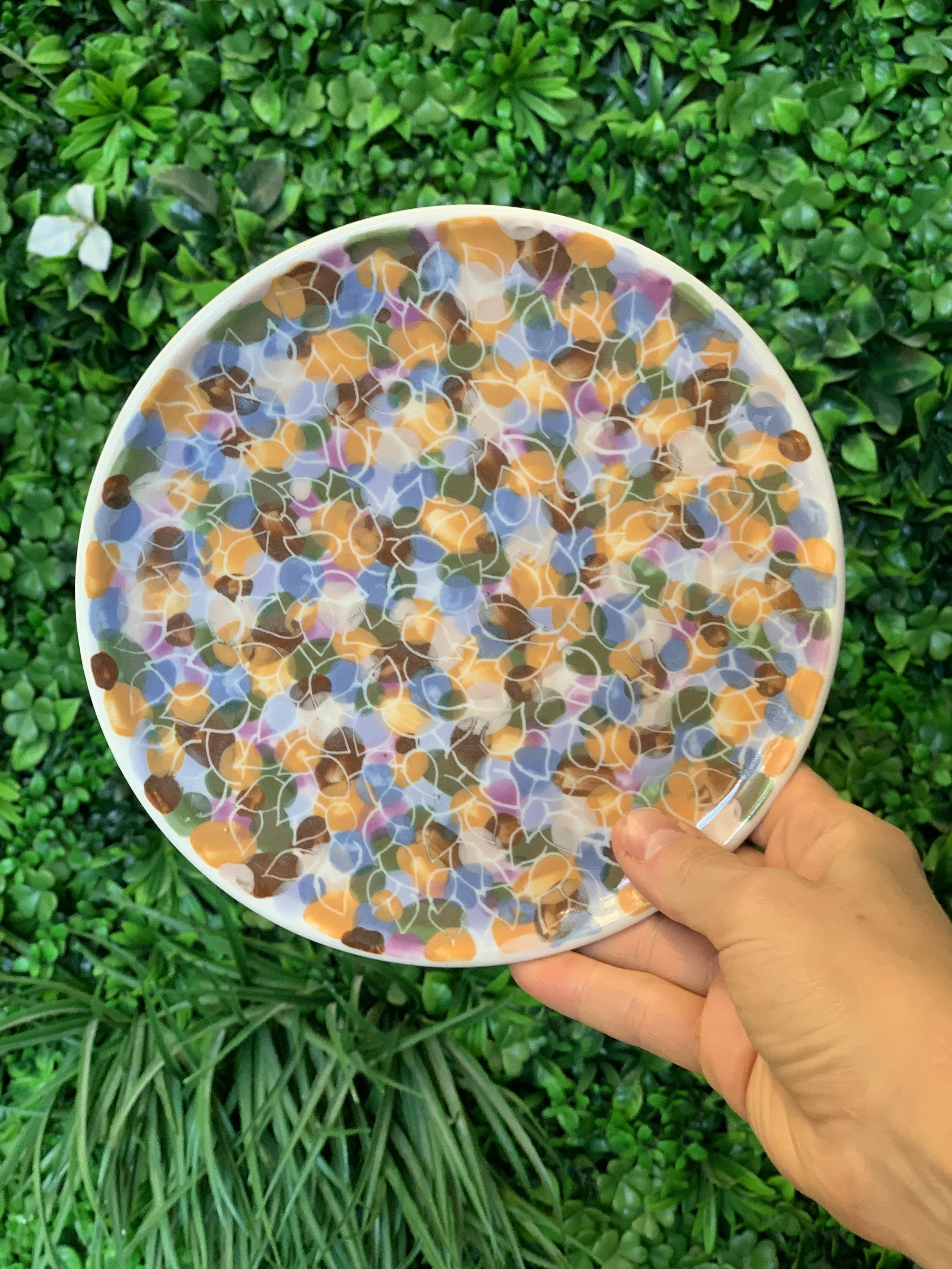
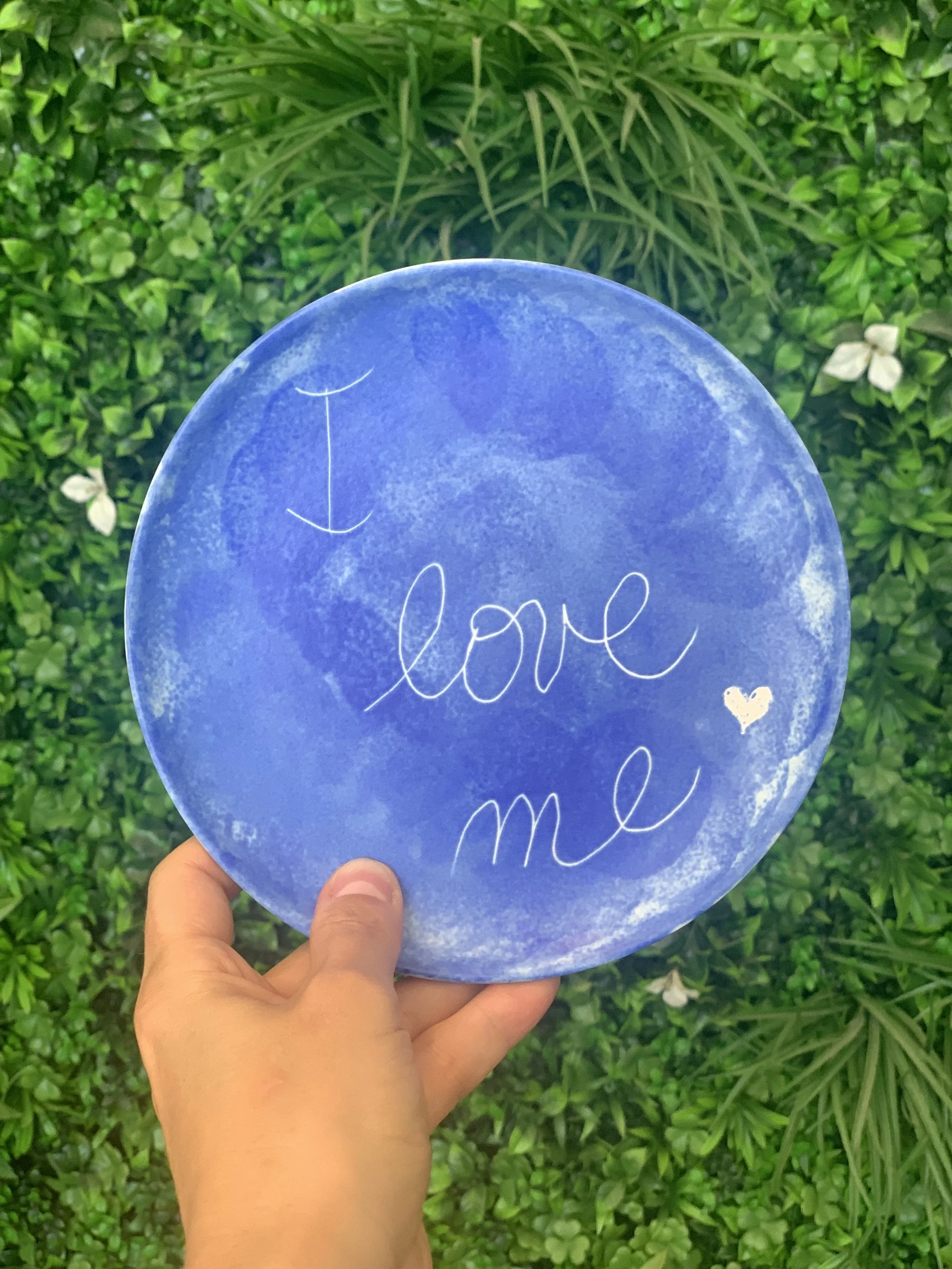
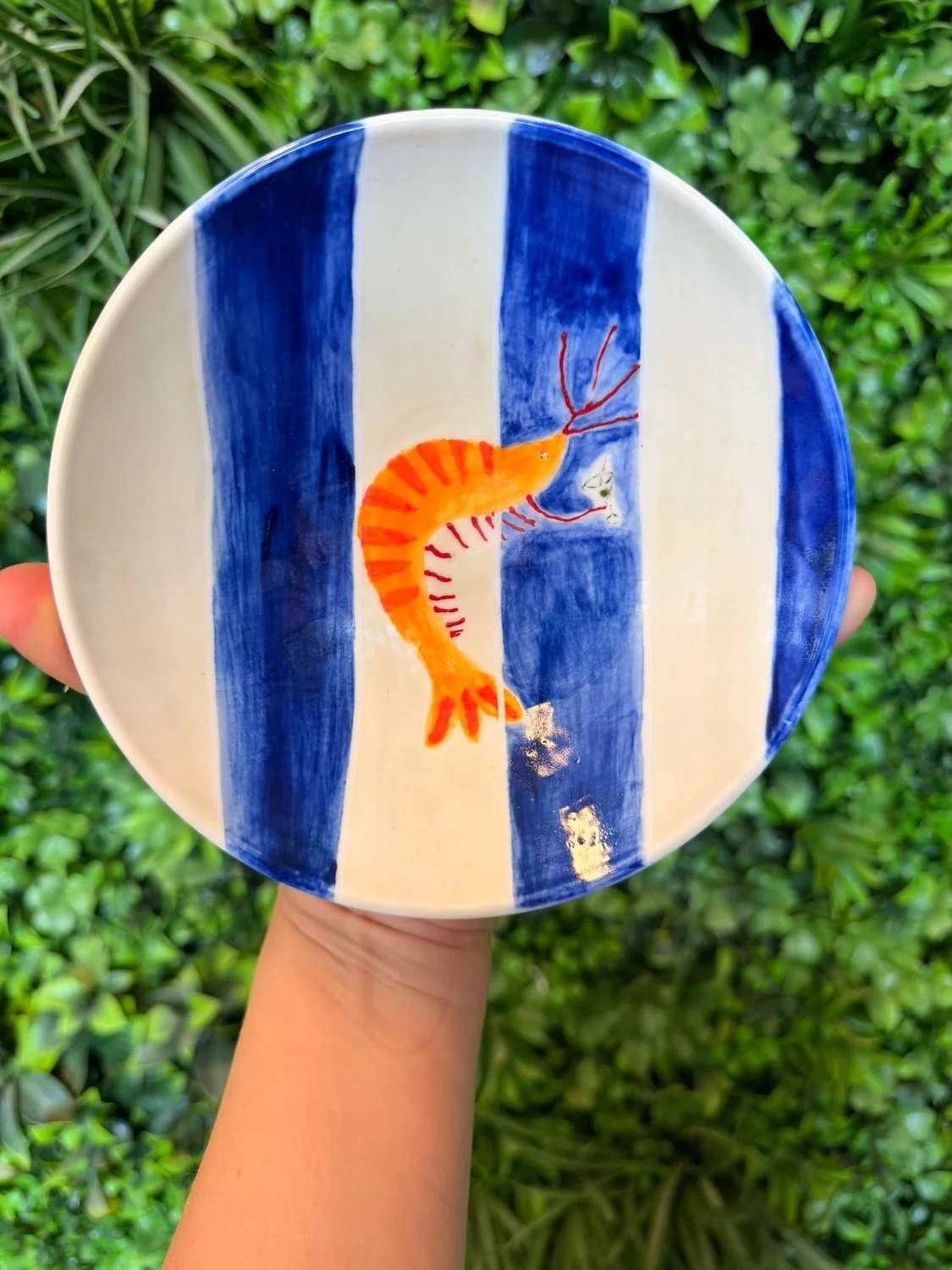
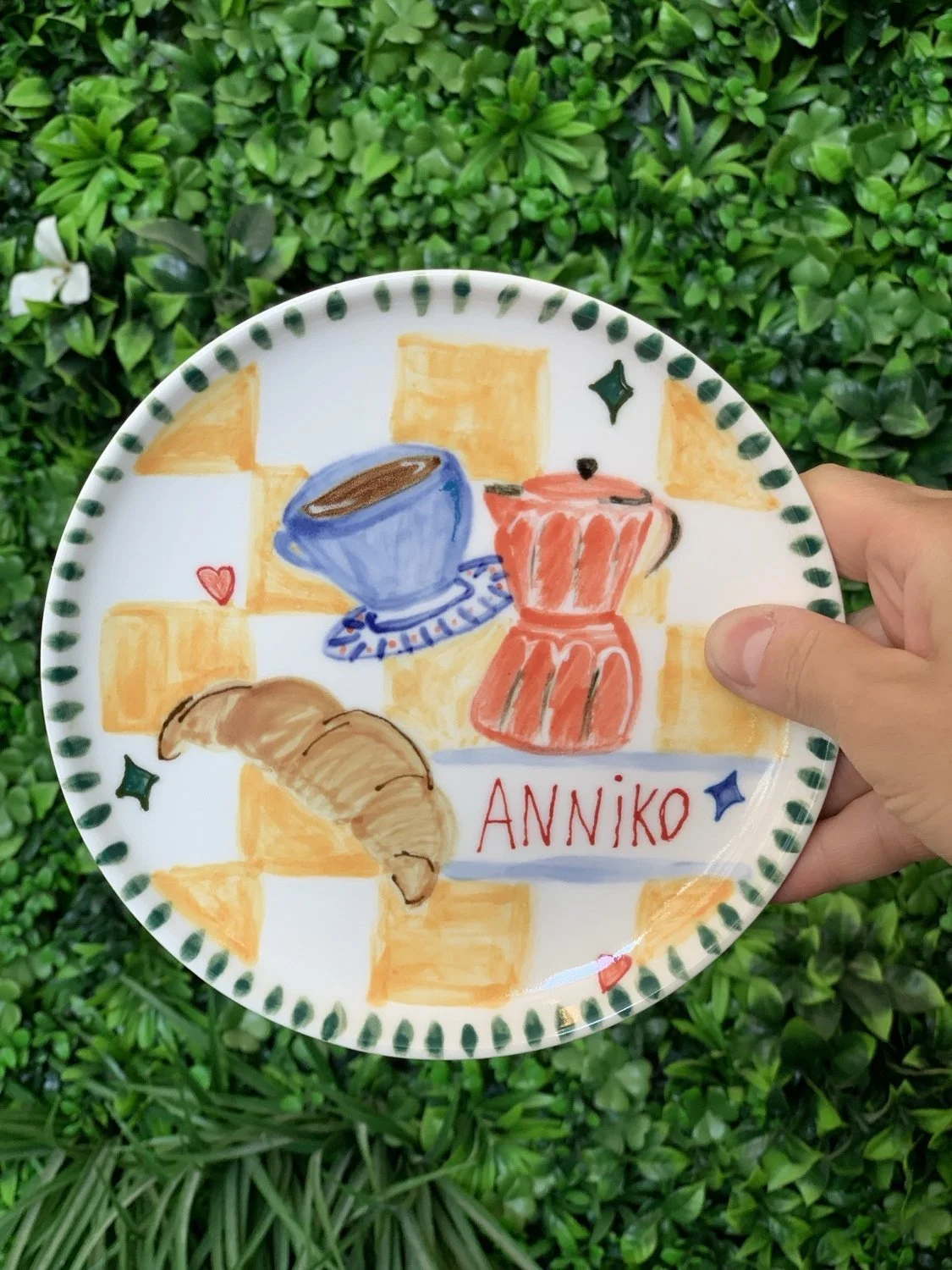
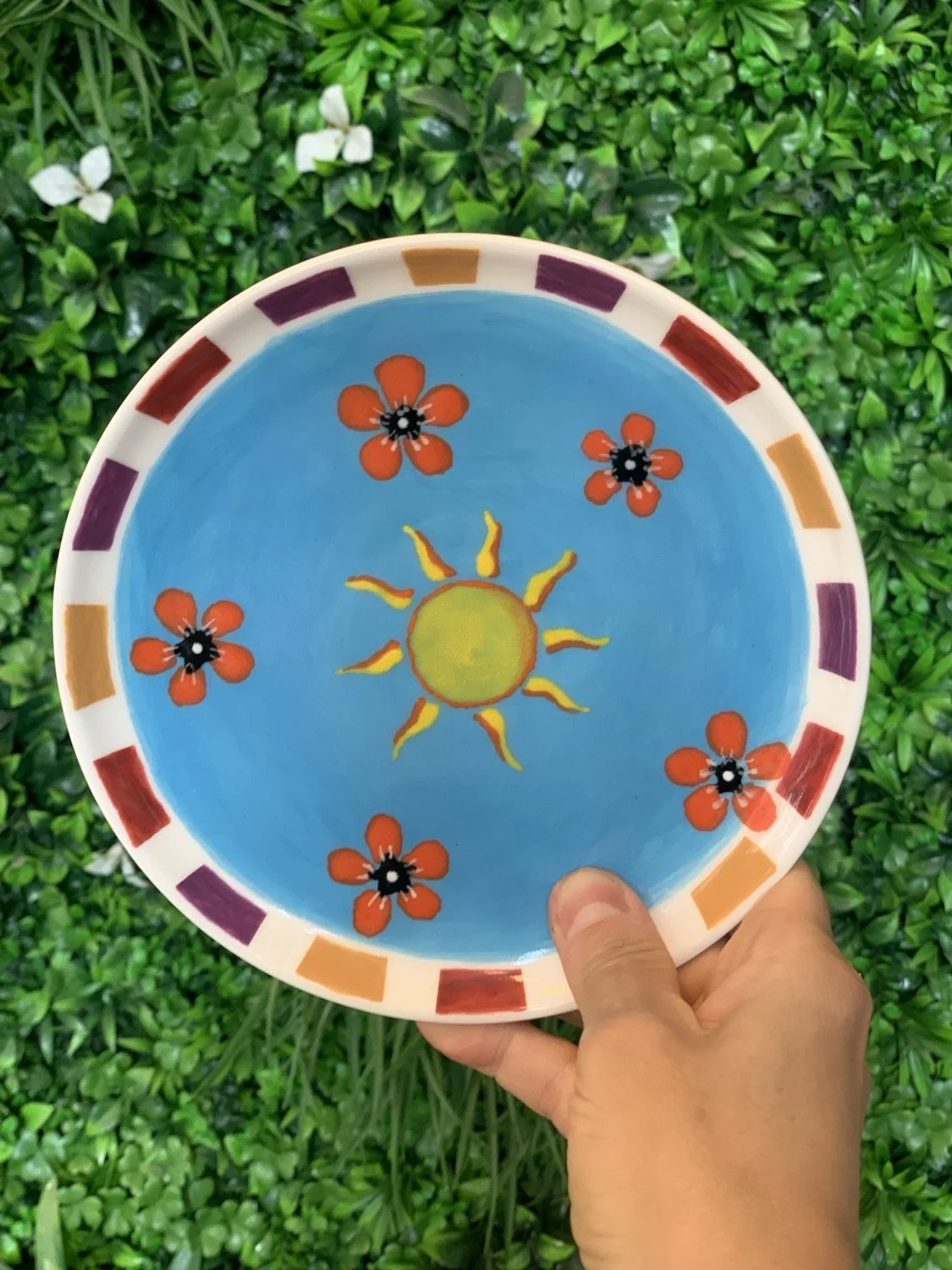
The paintings below can easily be finished in one underglazing workshop which is suitable for first time underglazers - provided that you are already somewhat comfortable with with freehand drawing or painting on paper or that you bring a print-out of your design to the workshop so you can transfer it on your objects using a carbon copy paper before underglaze painting. We also have hundreds of stencils for those who are not comfortable with freehand.
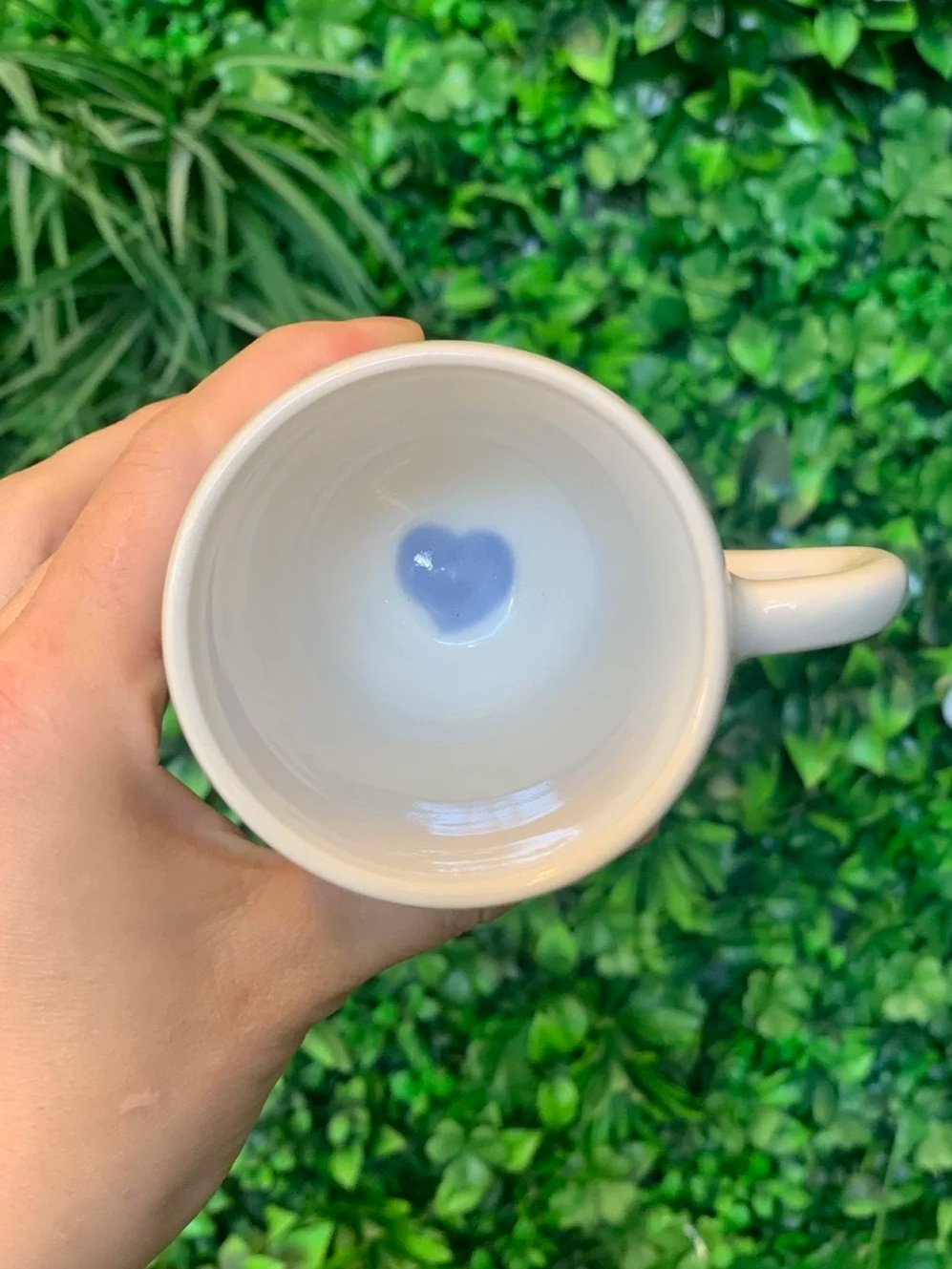
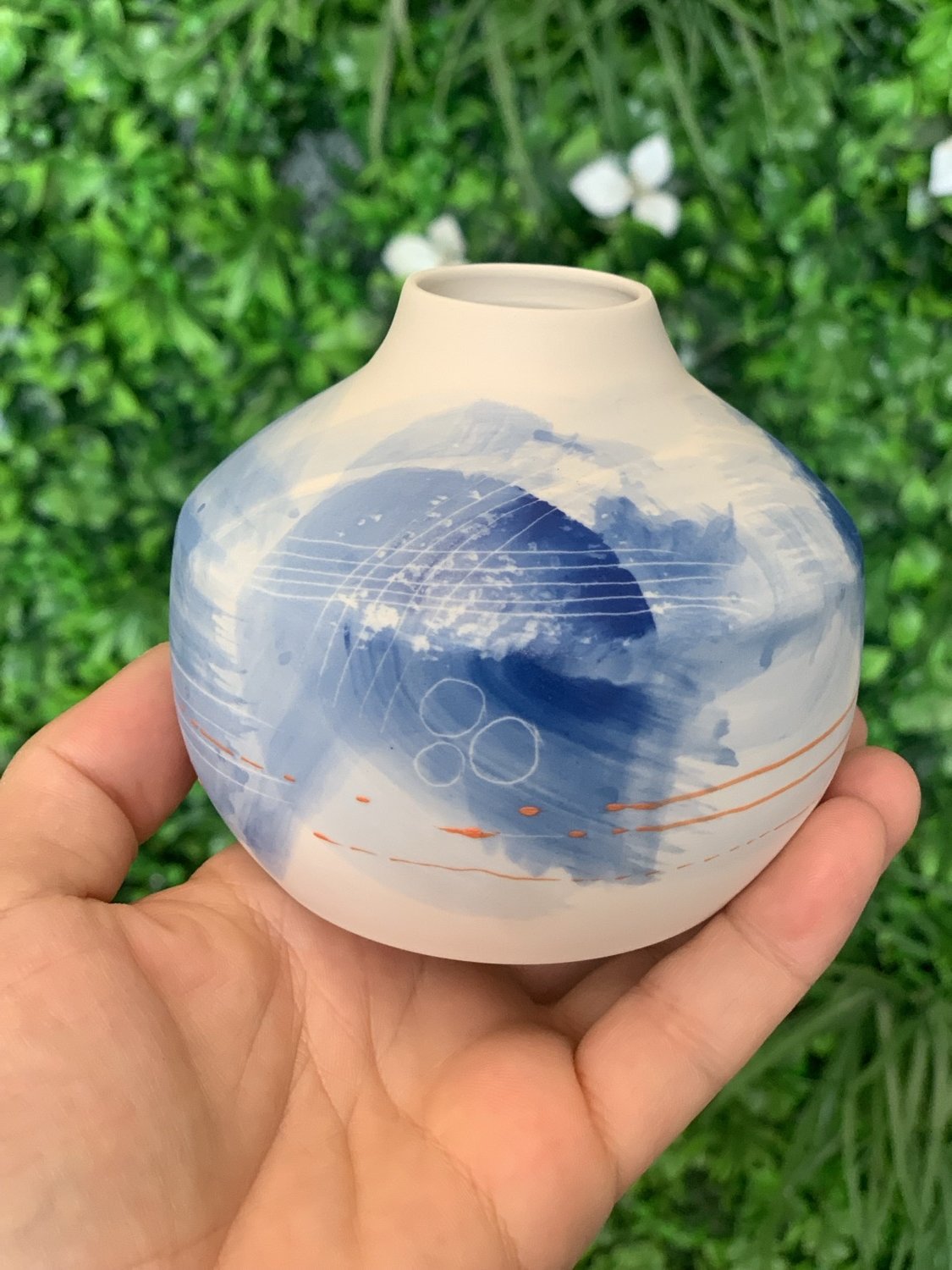
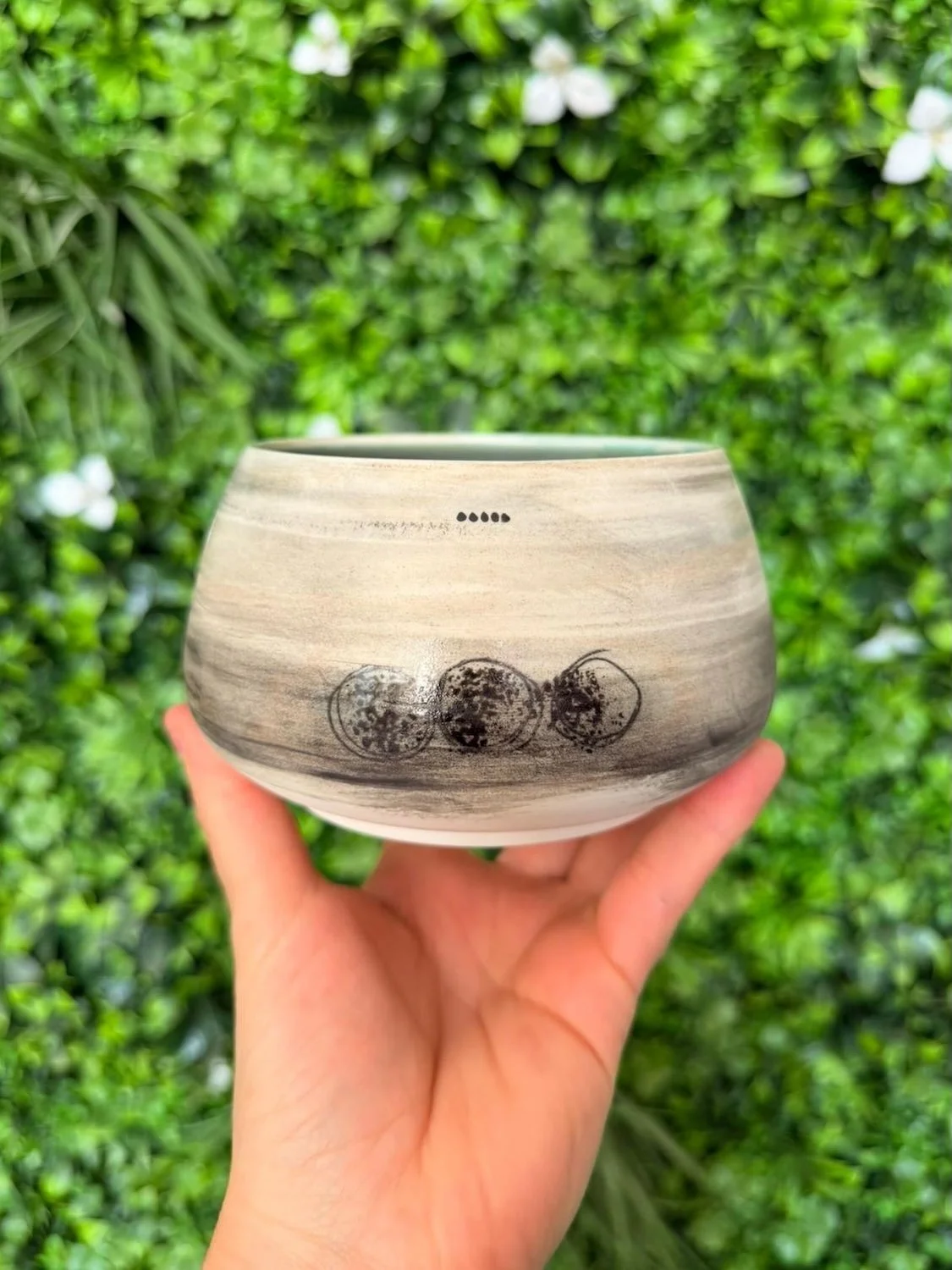
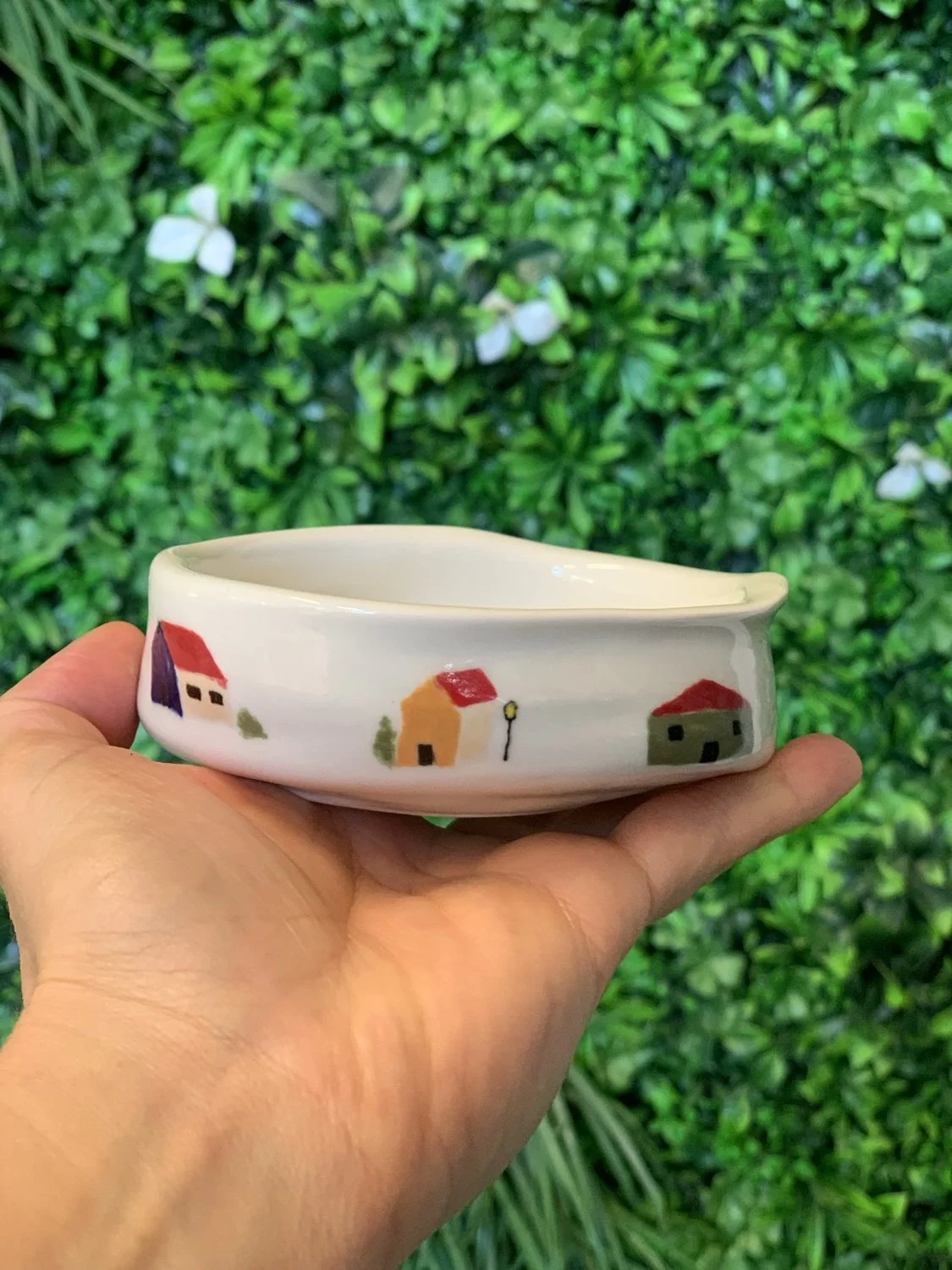
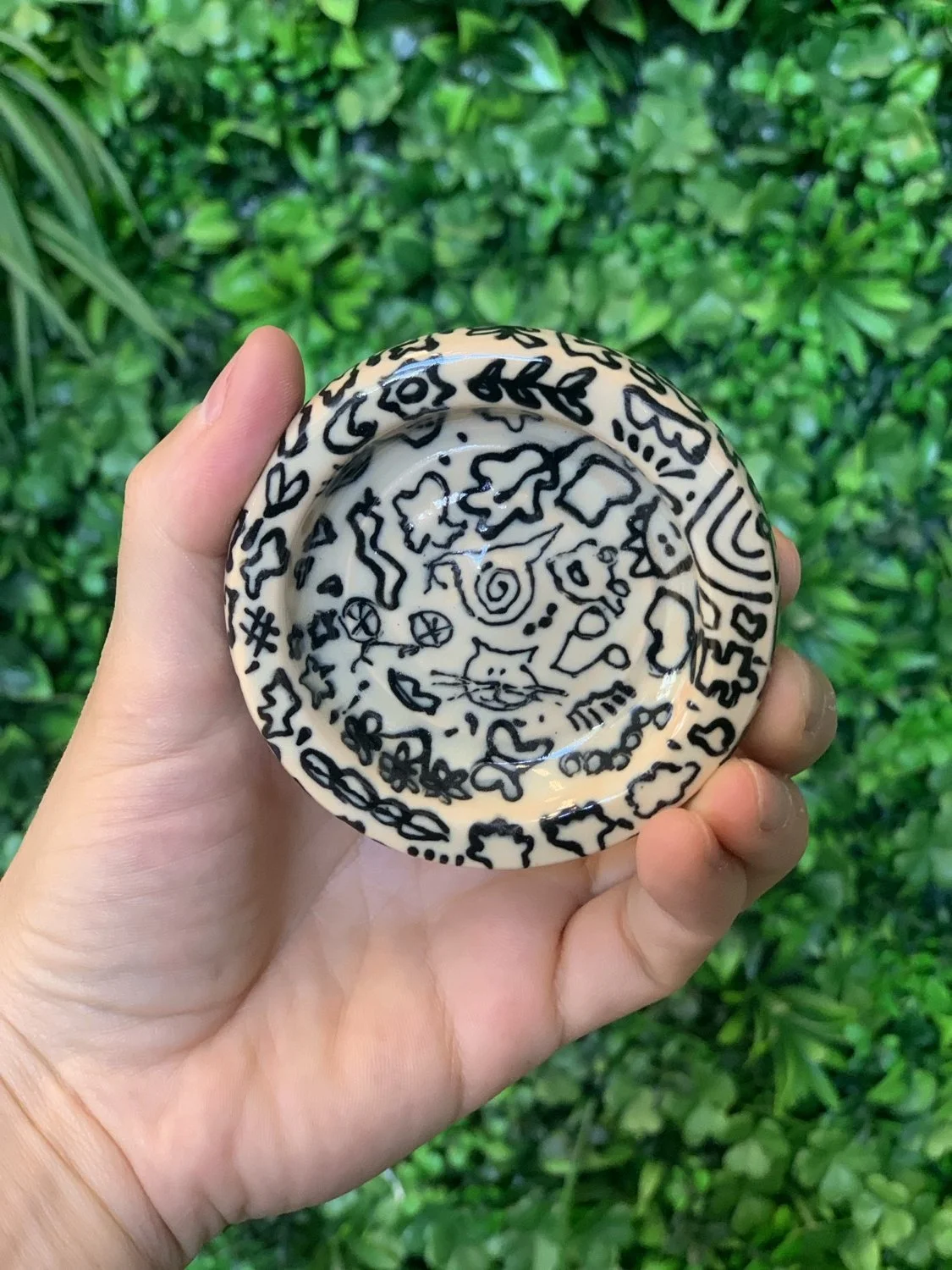
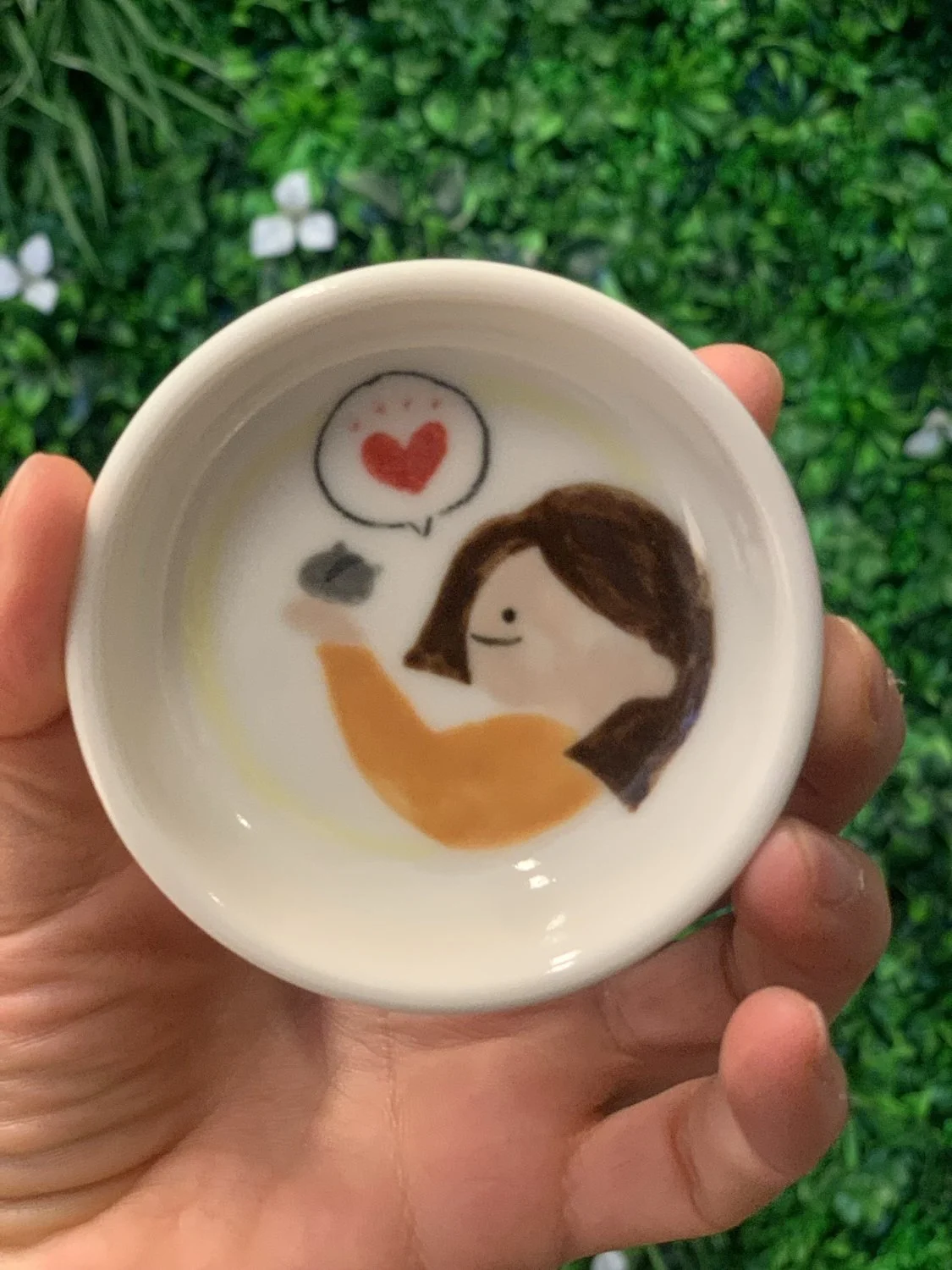
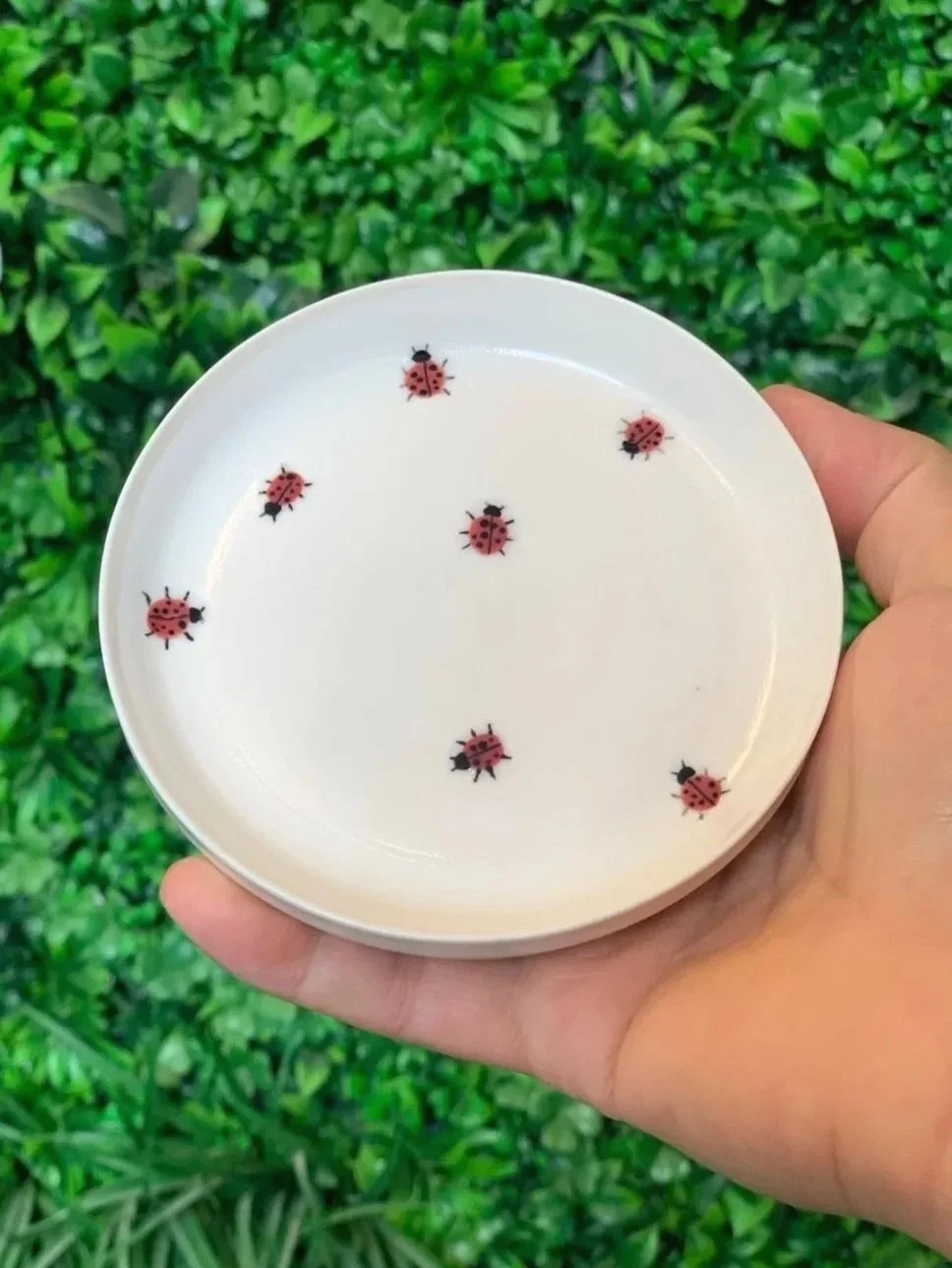
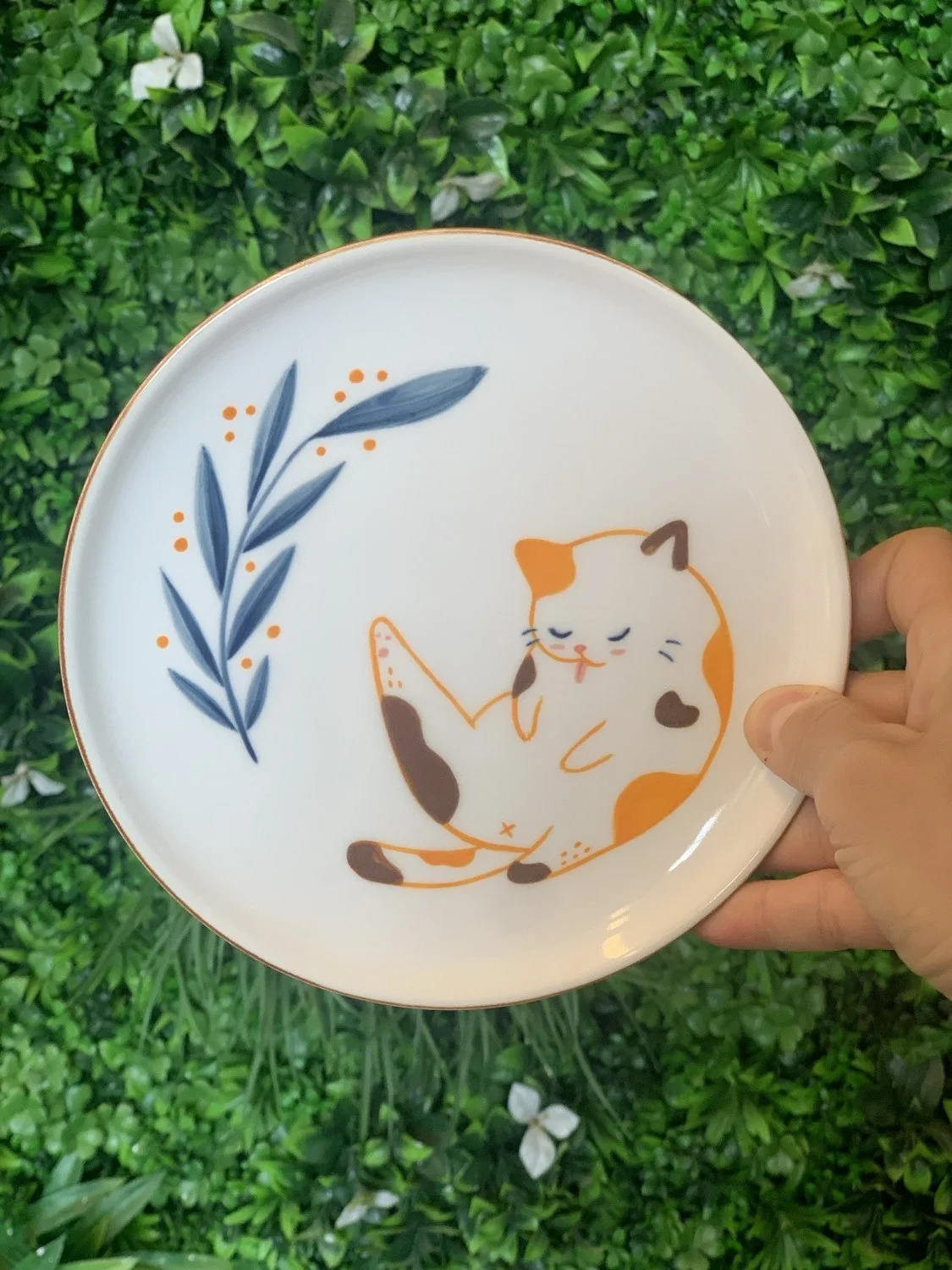
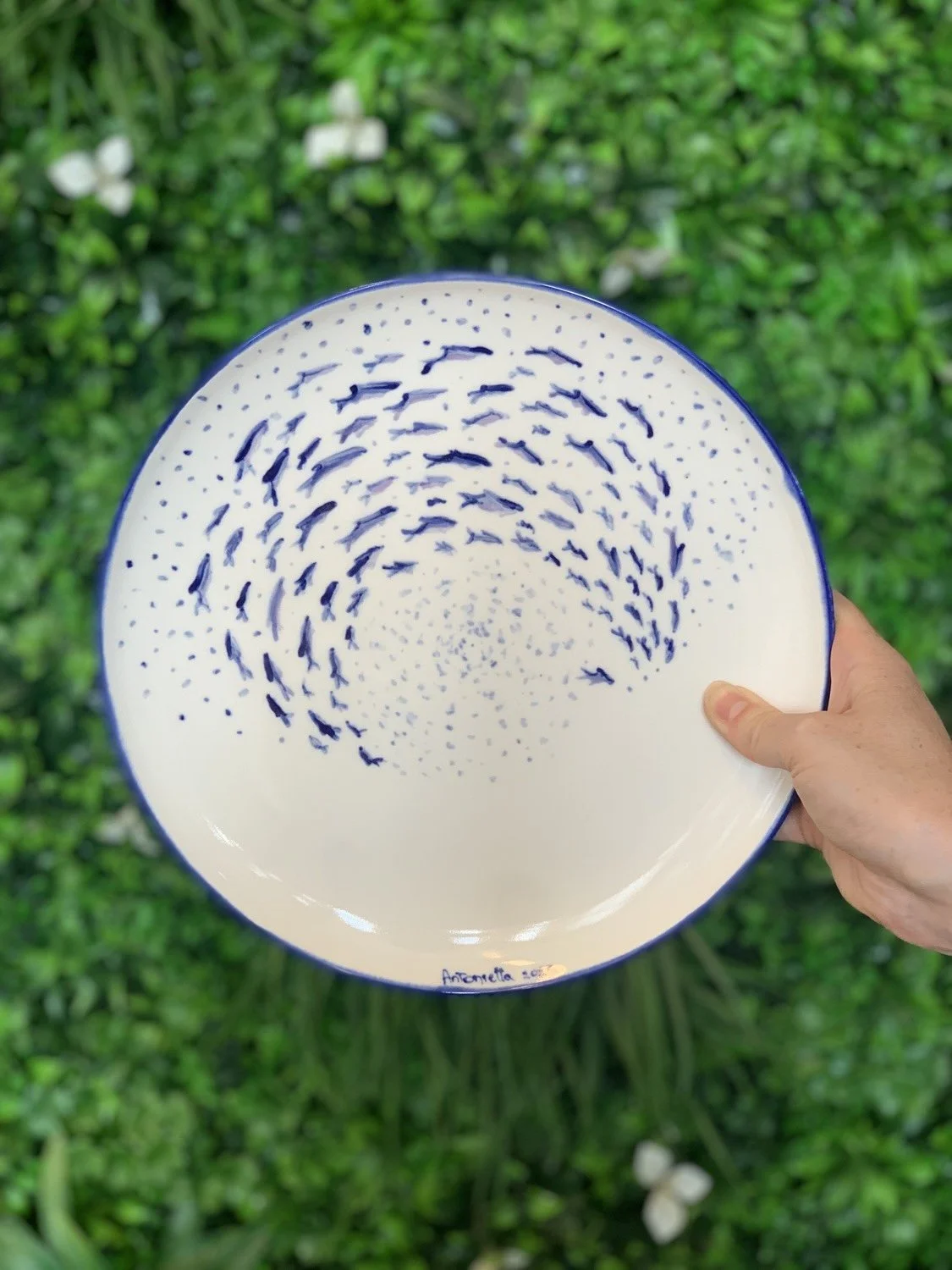
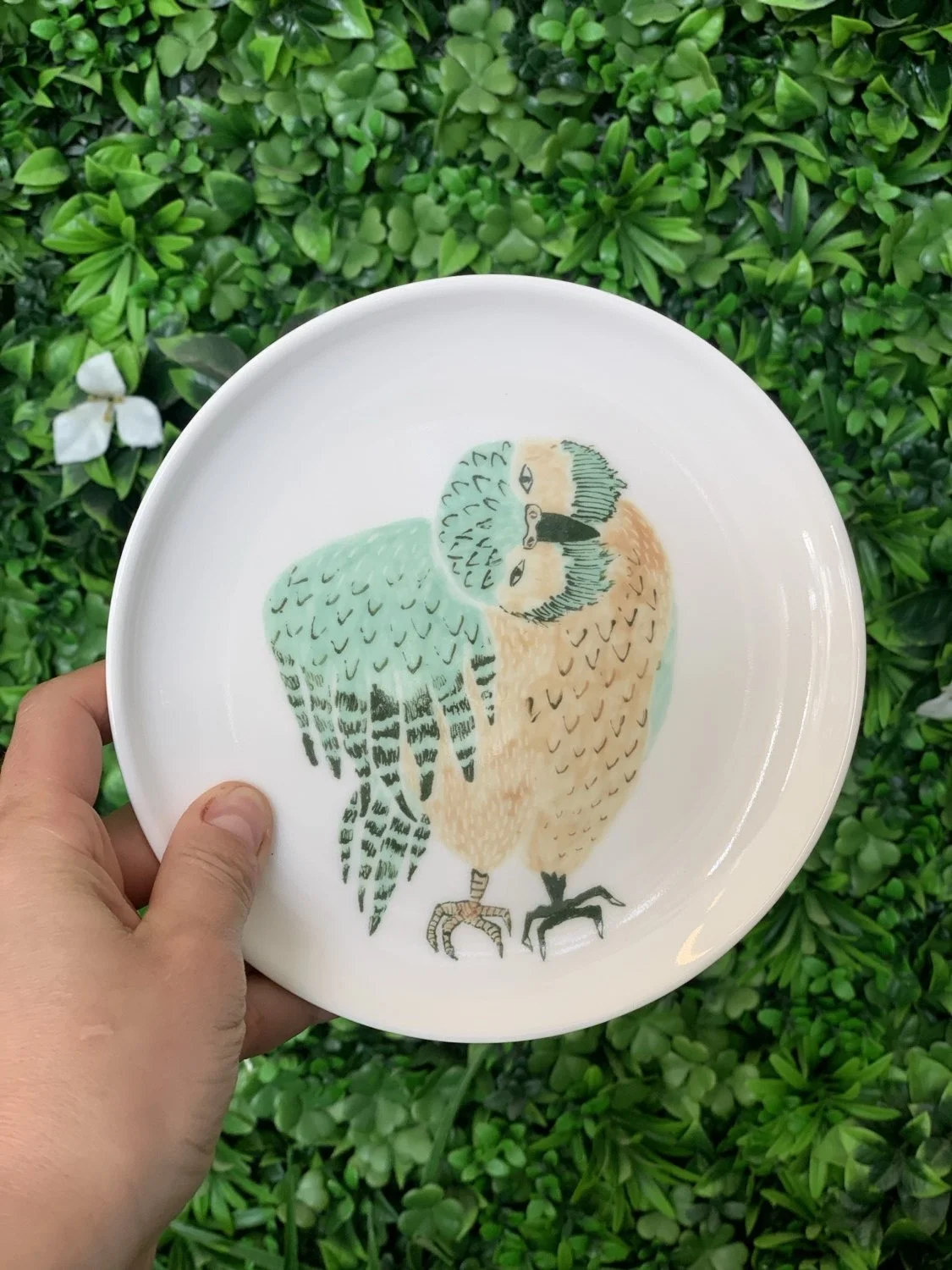
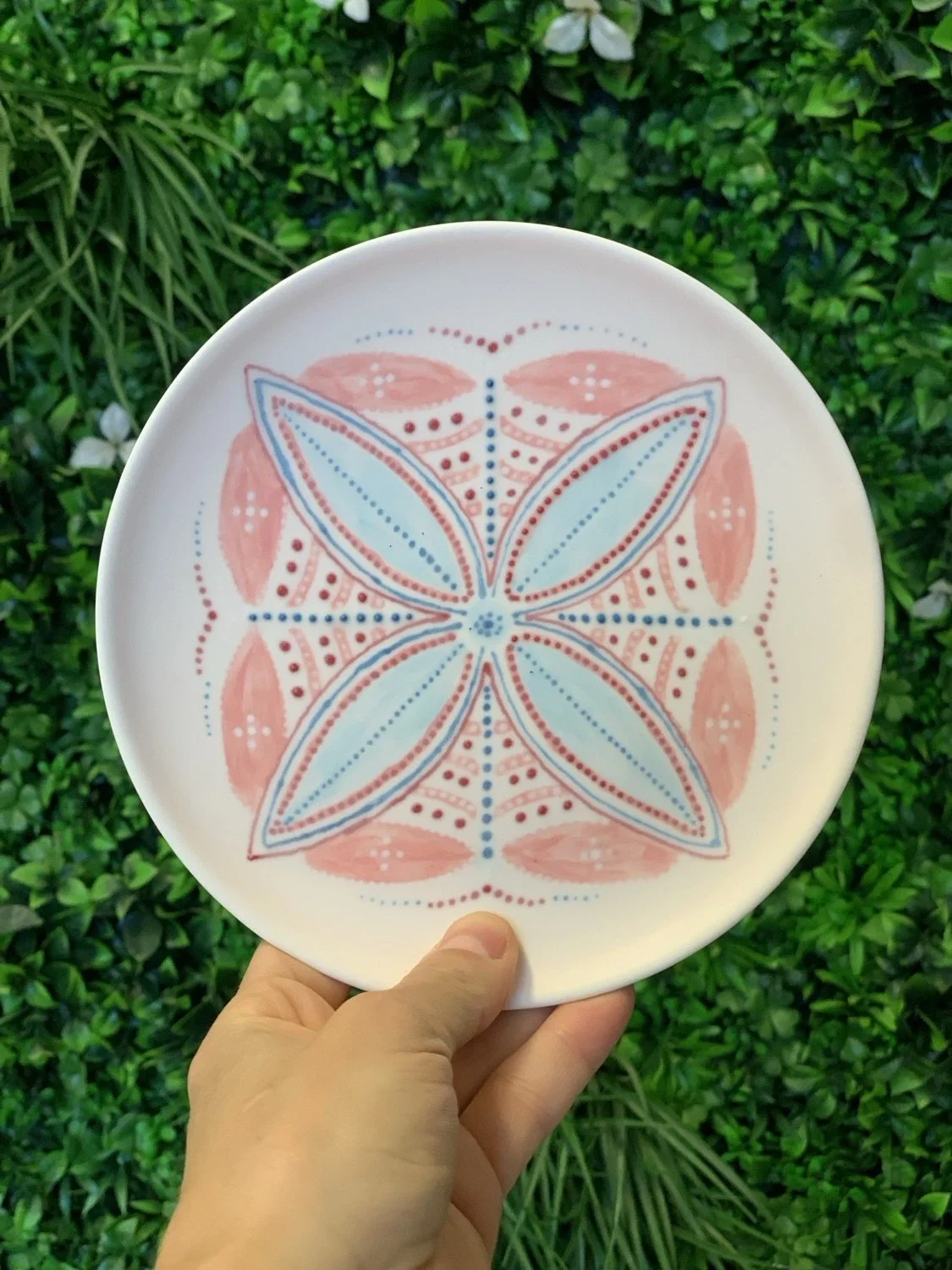
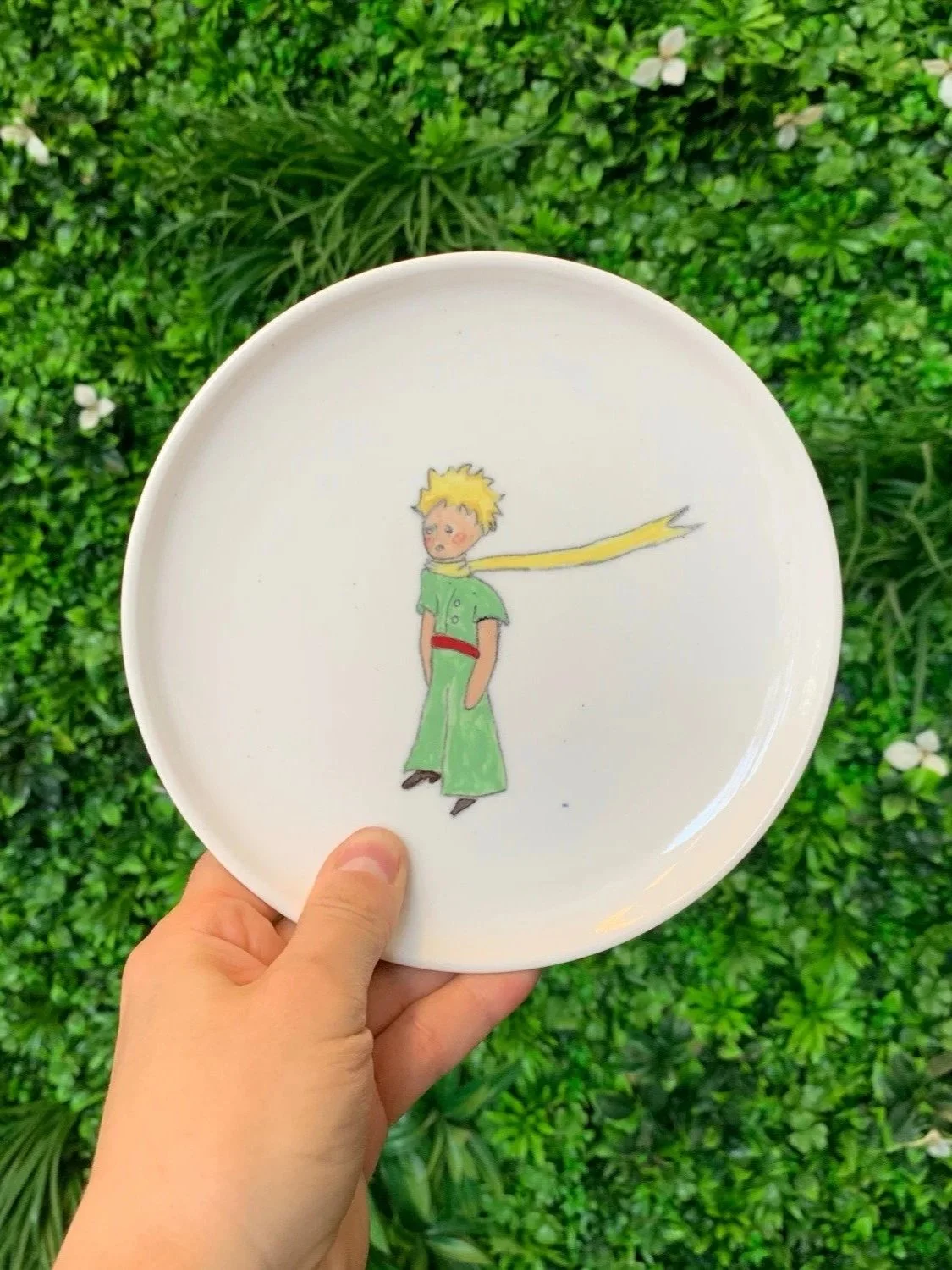
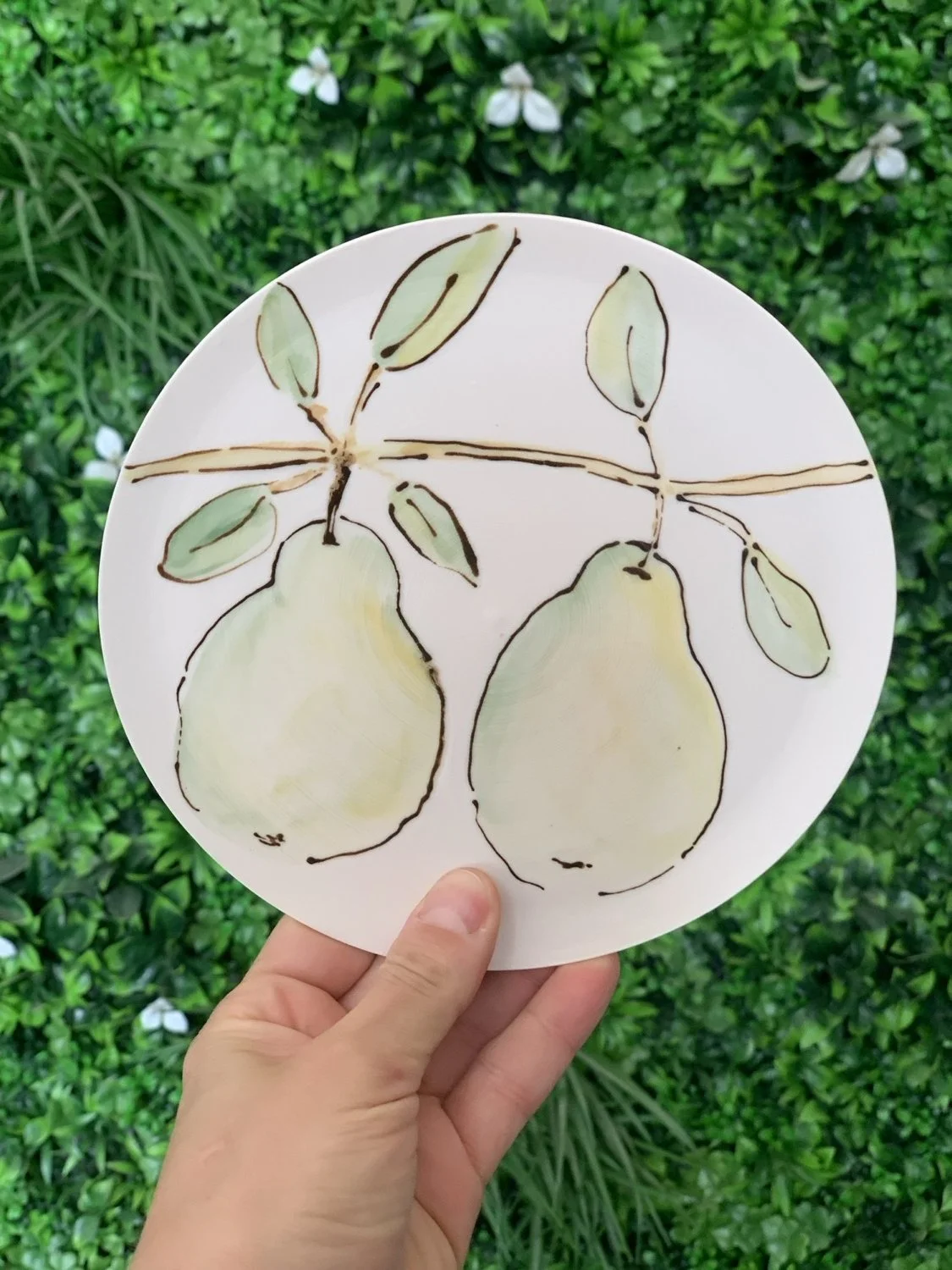
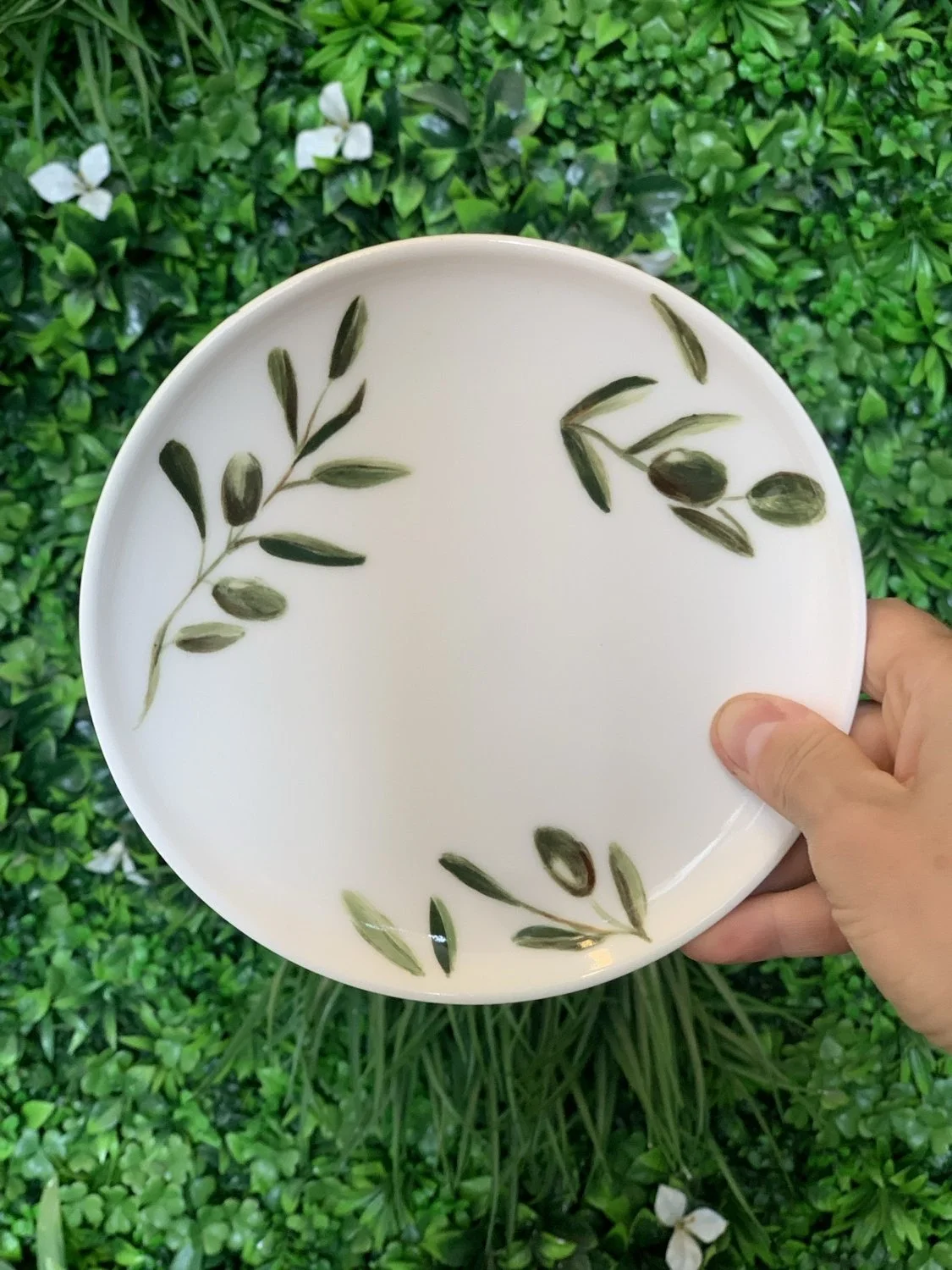
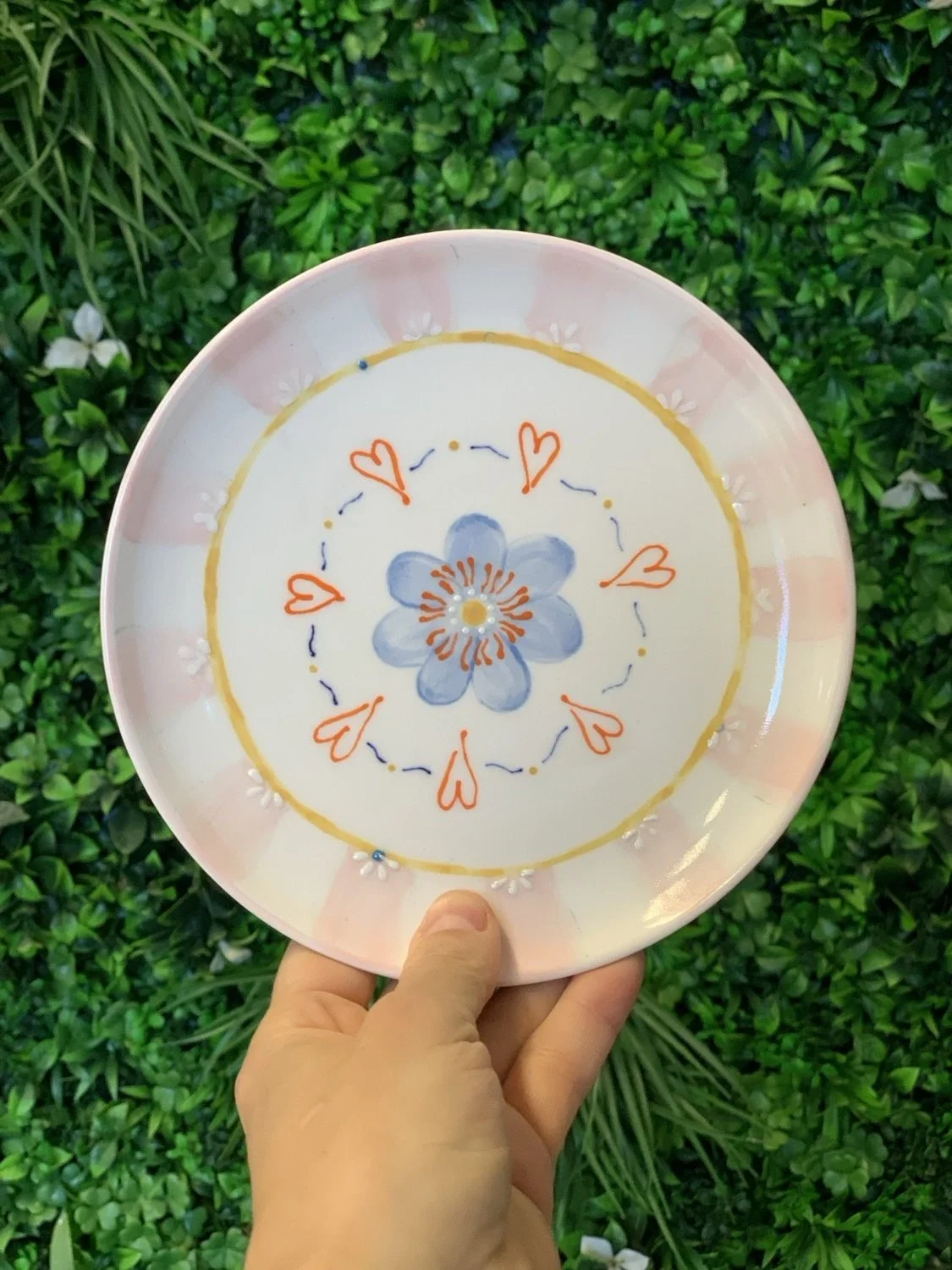
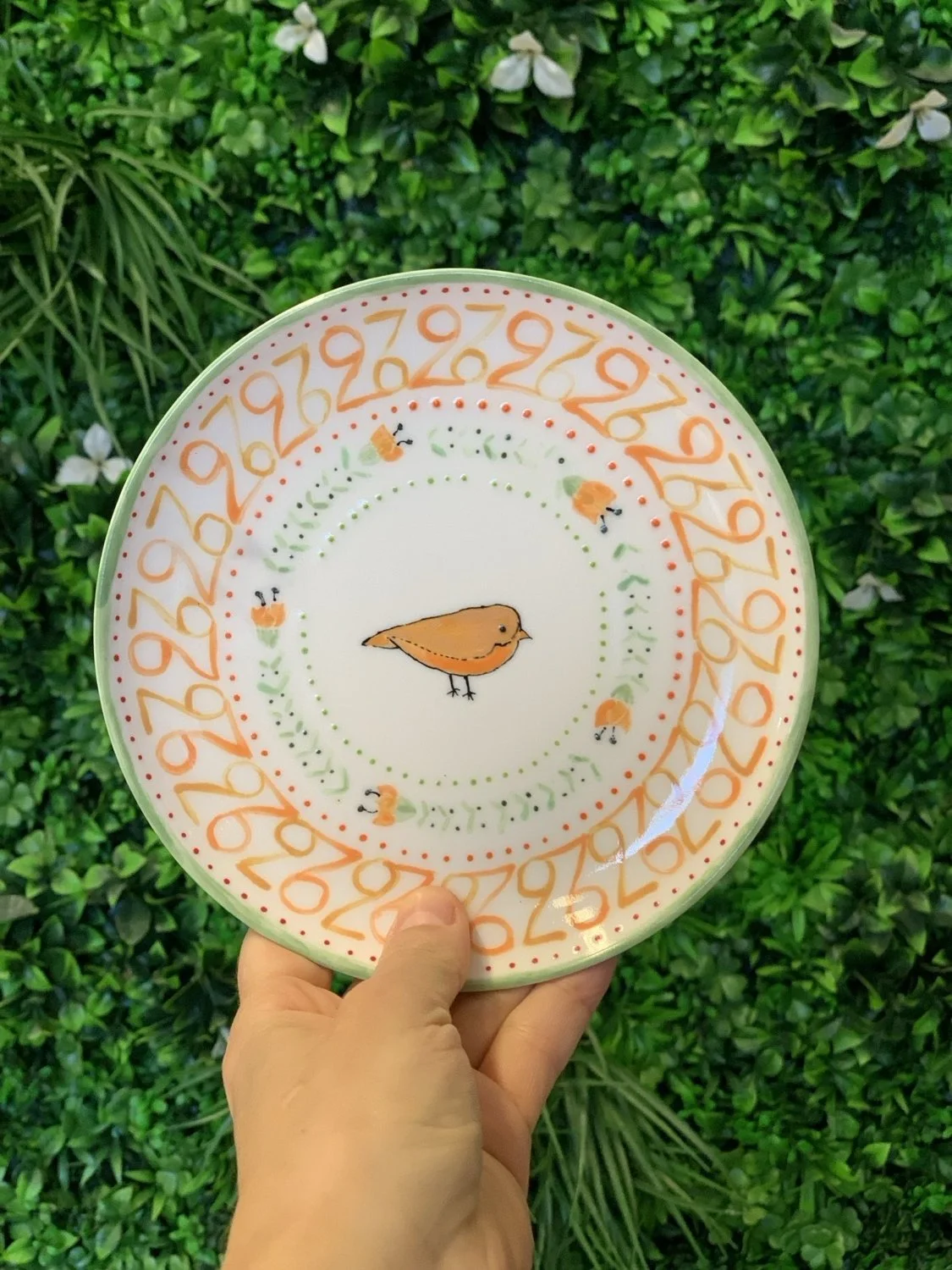
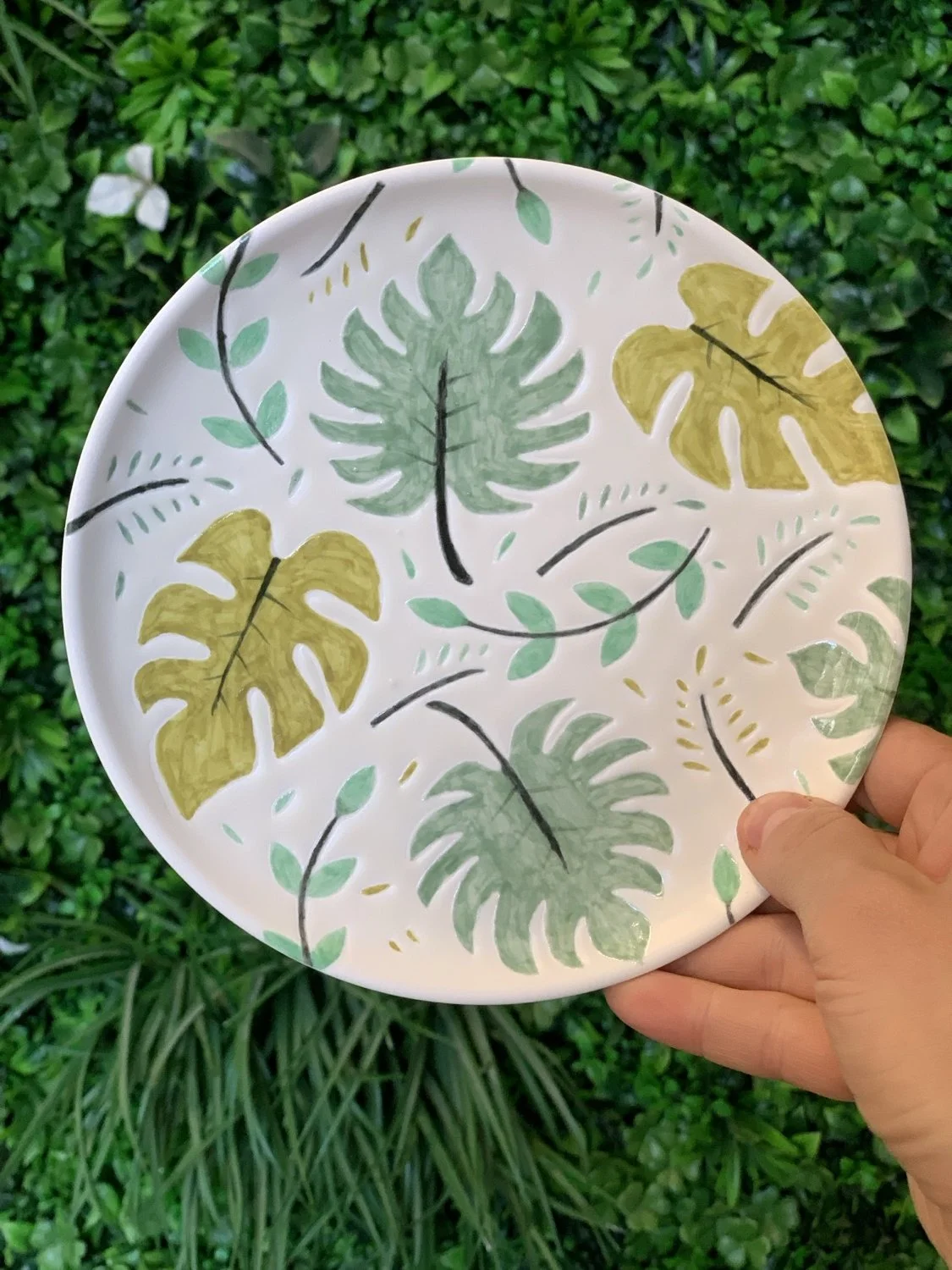
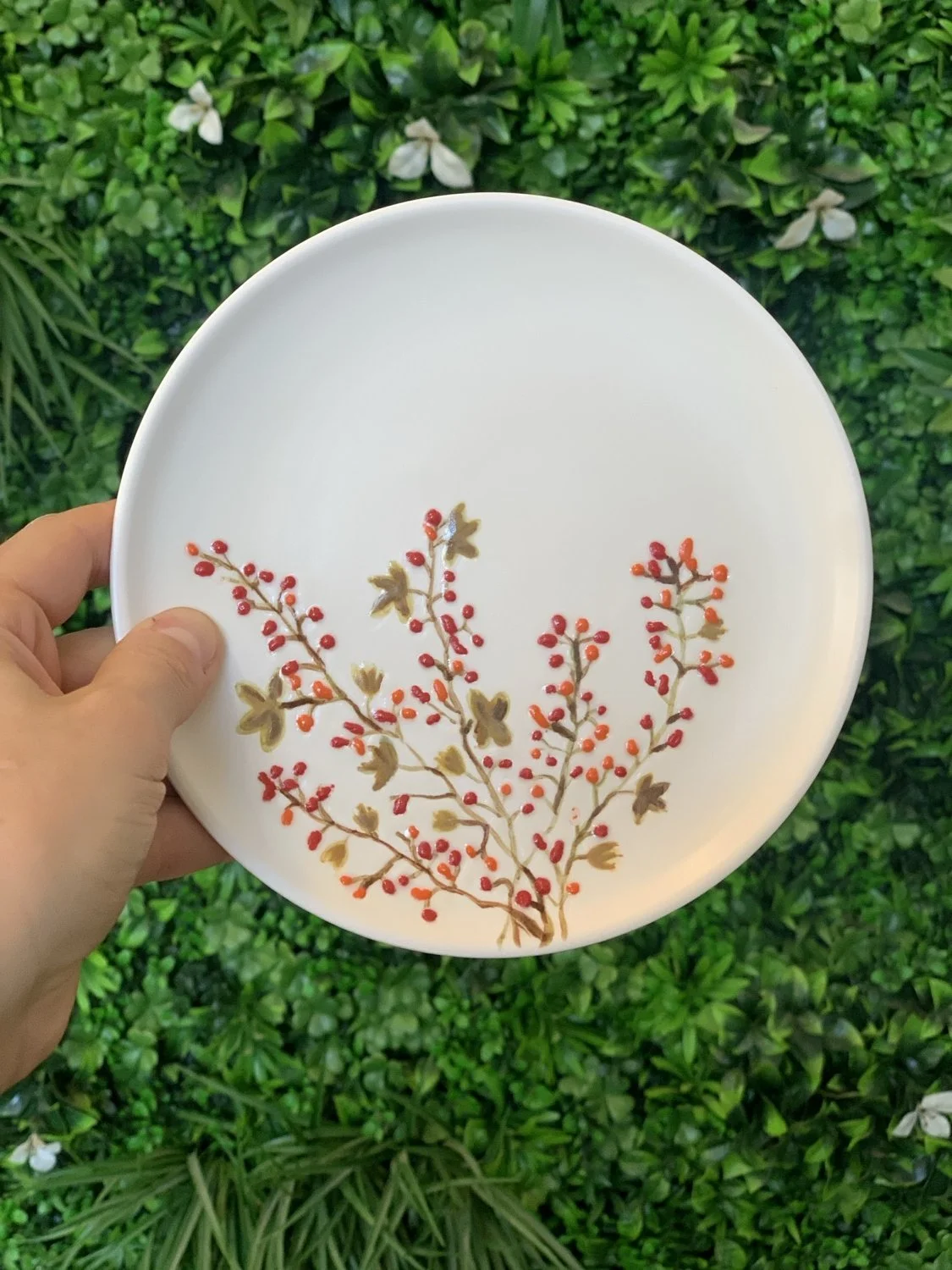
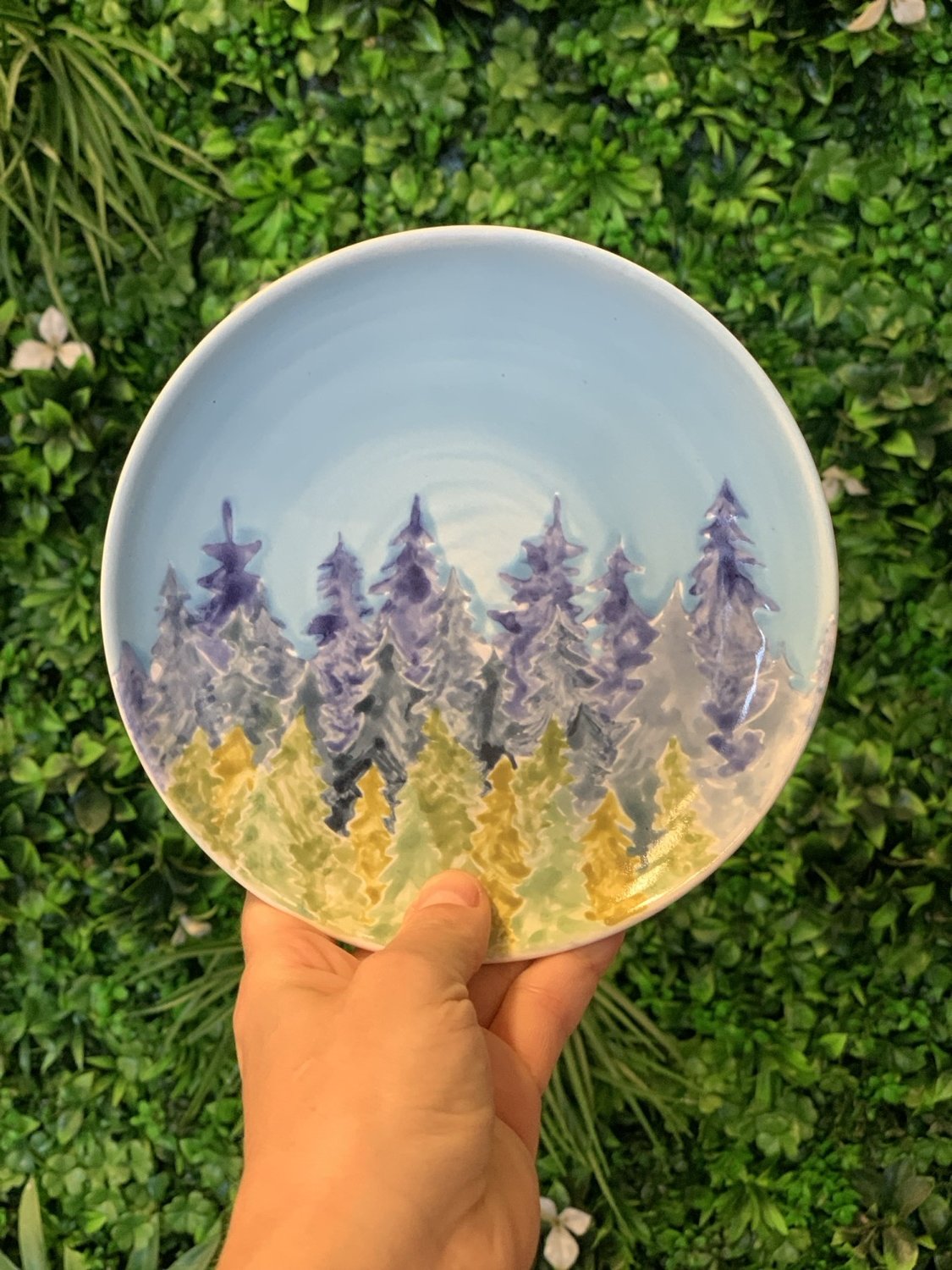
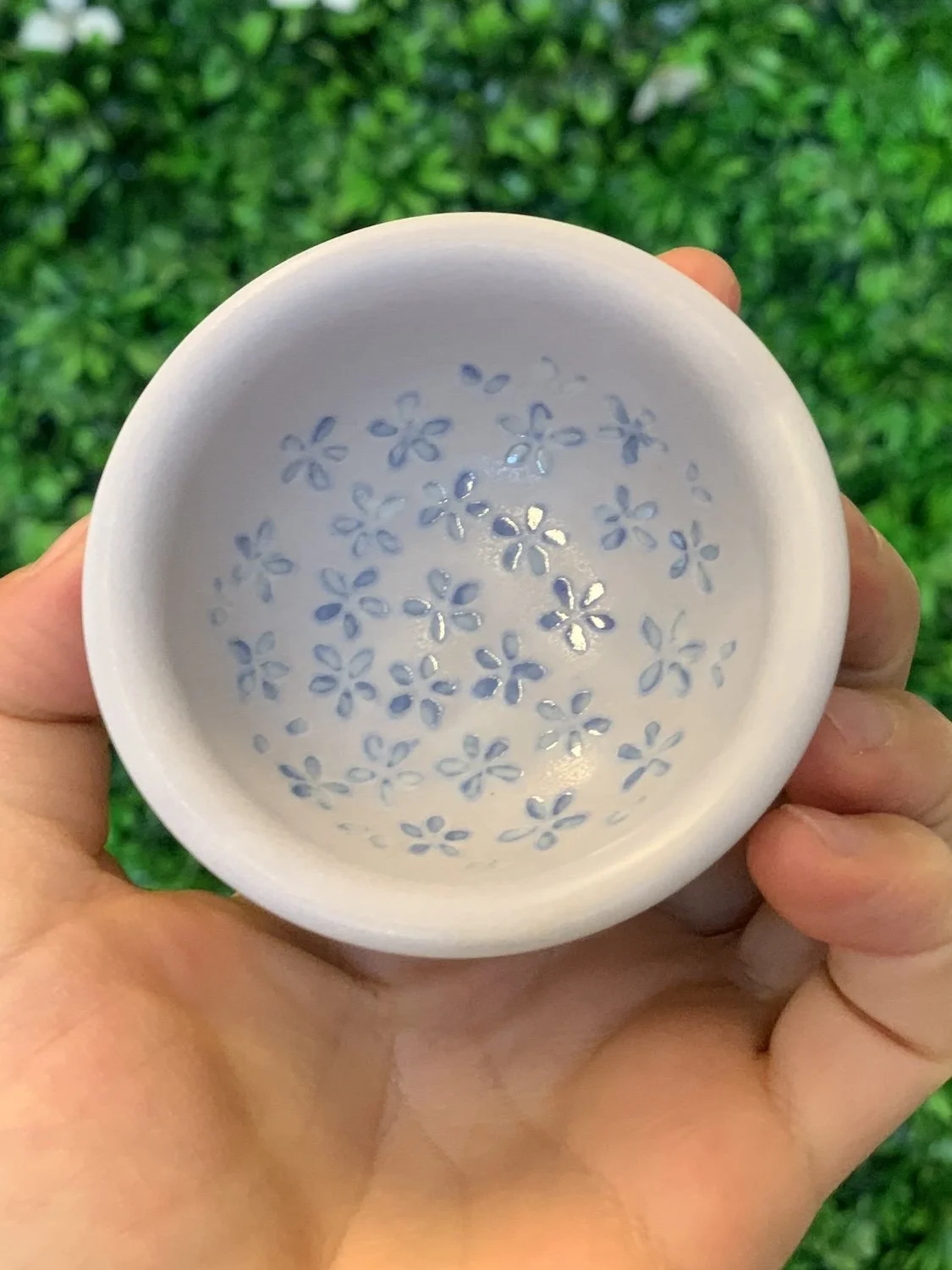
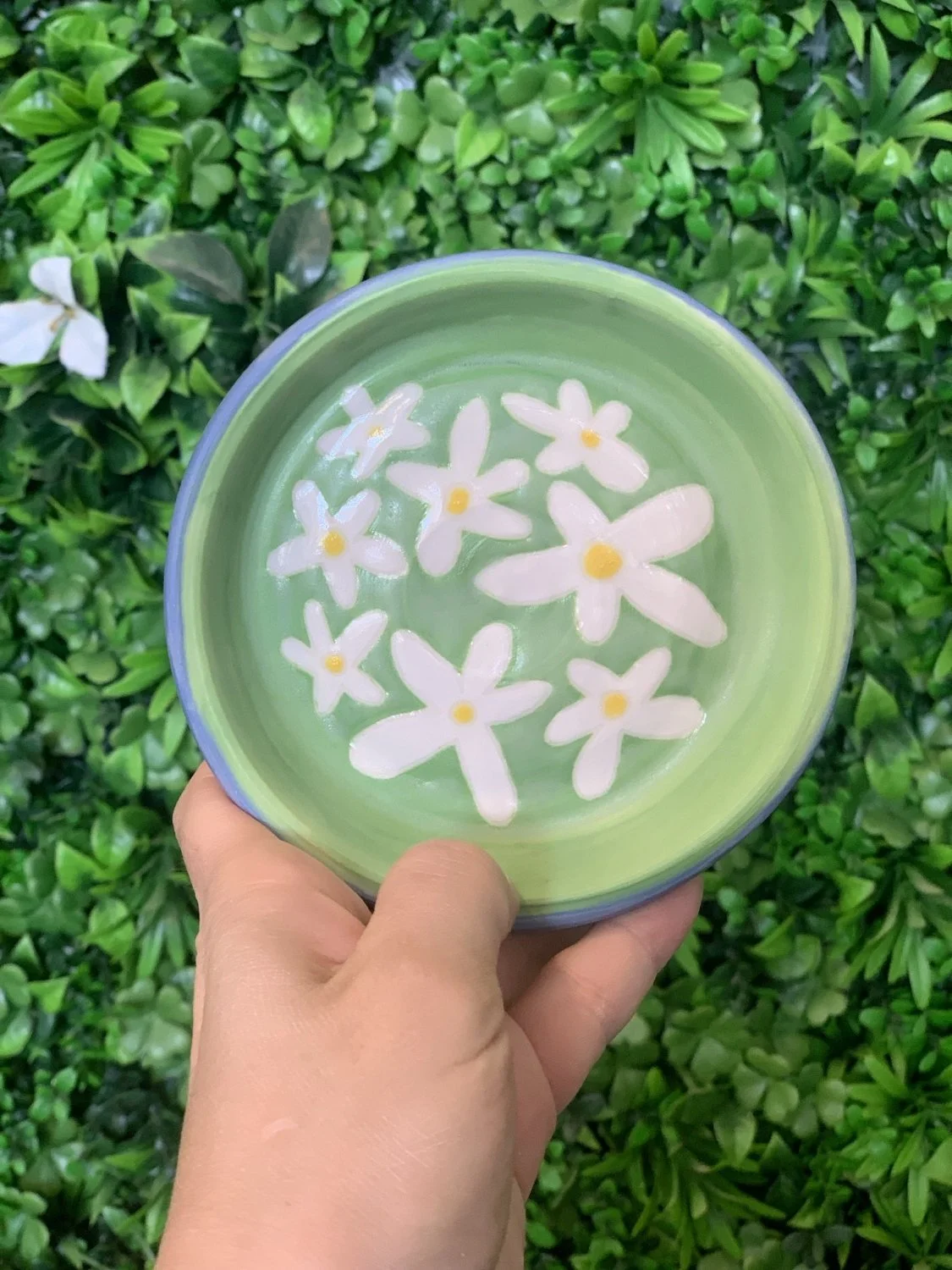
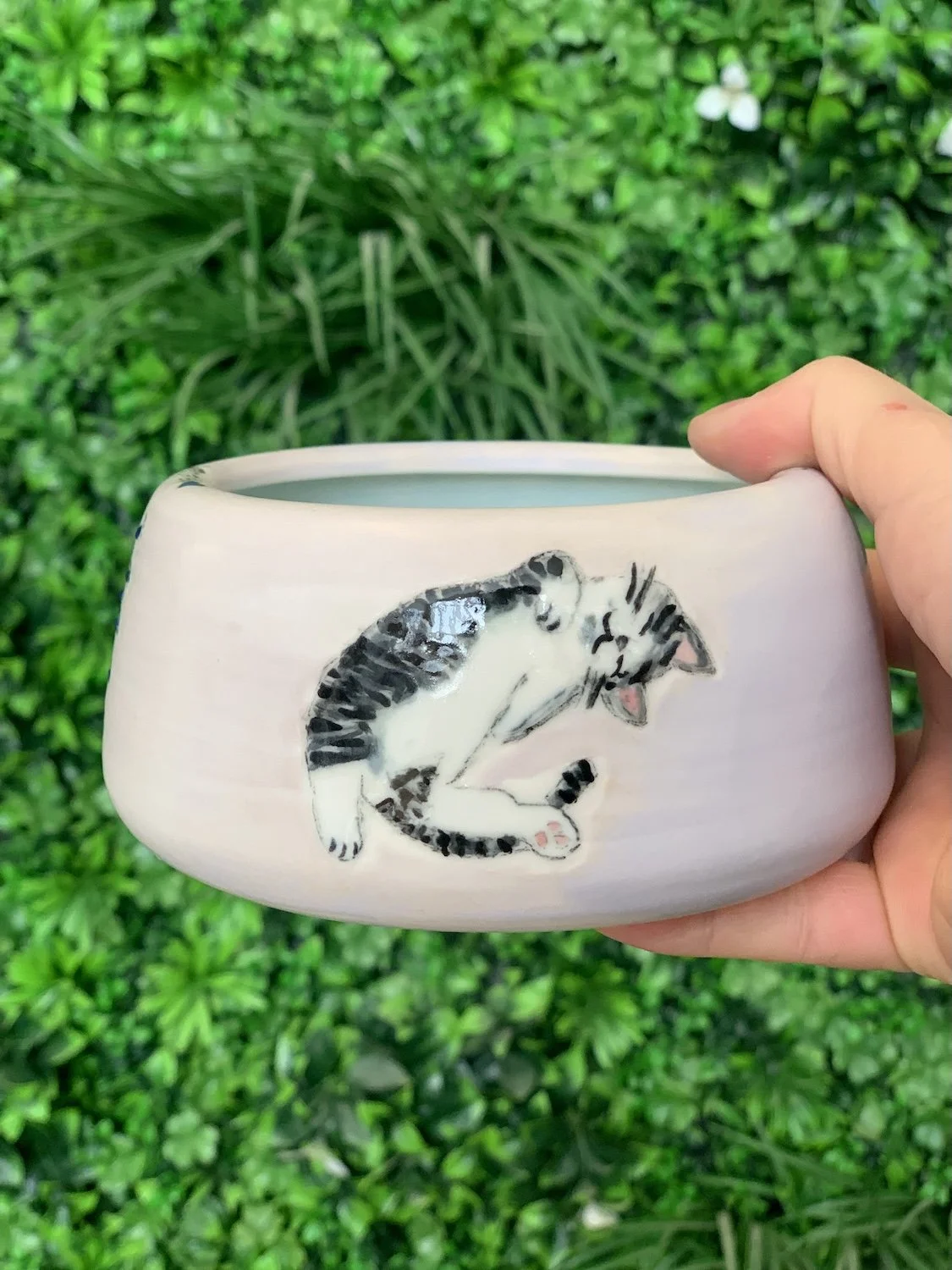
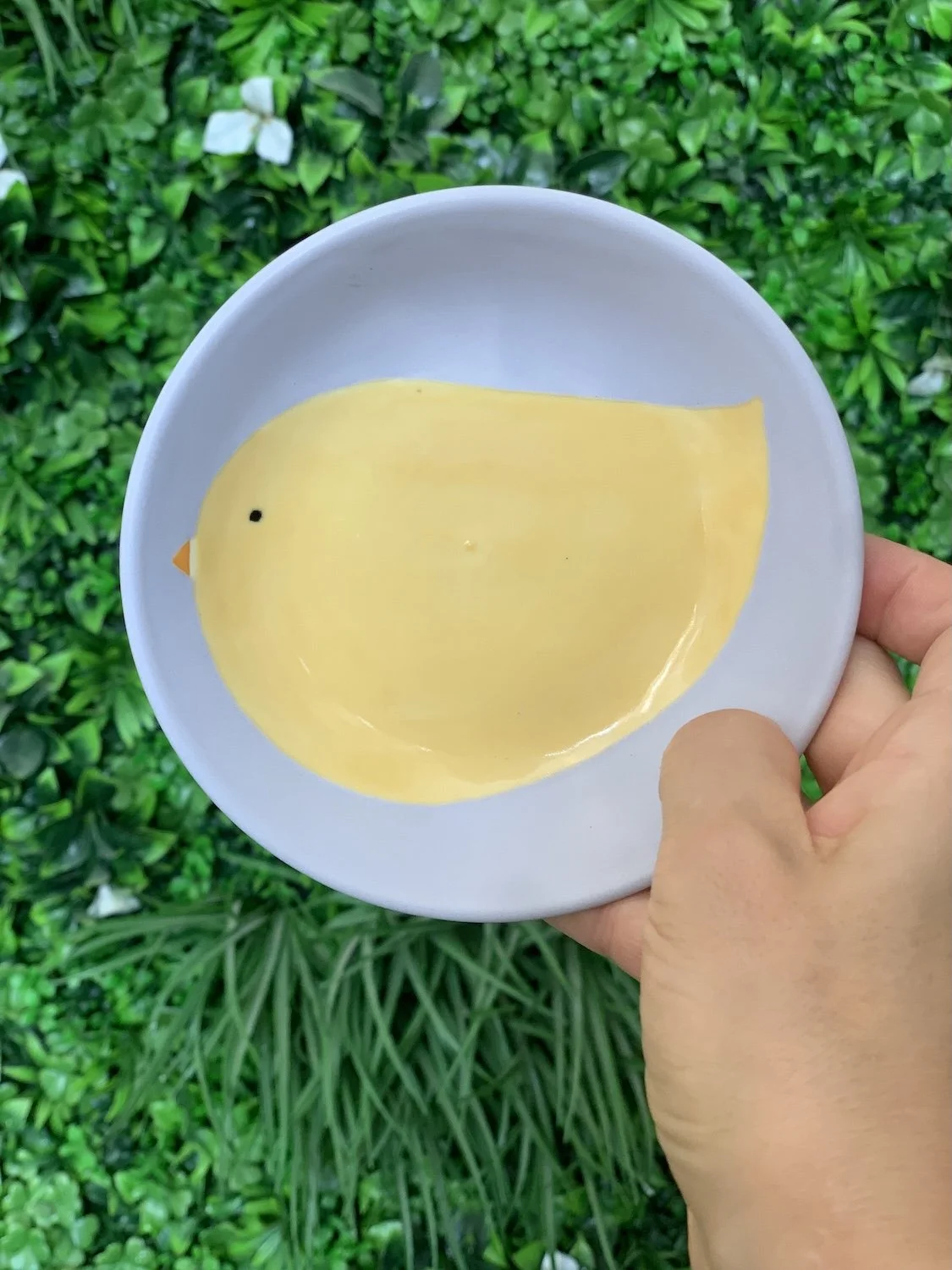
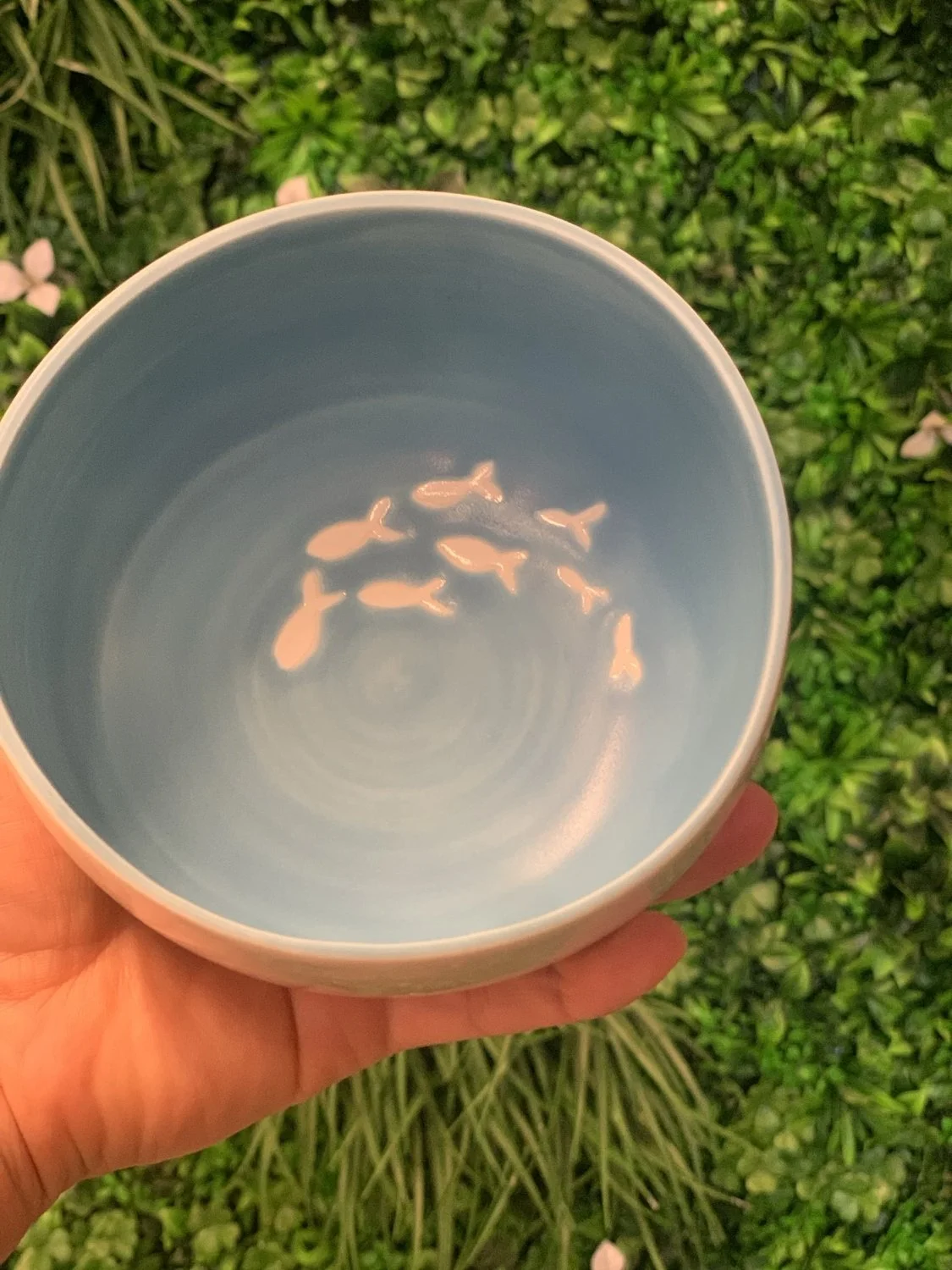
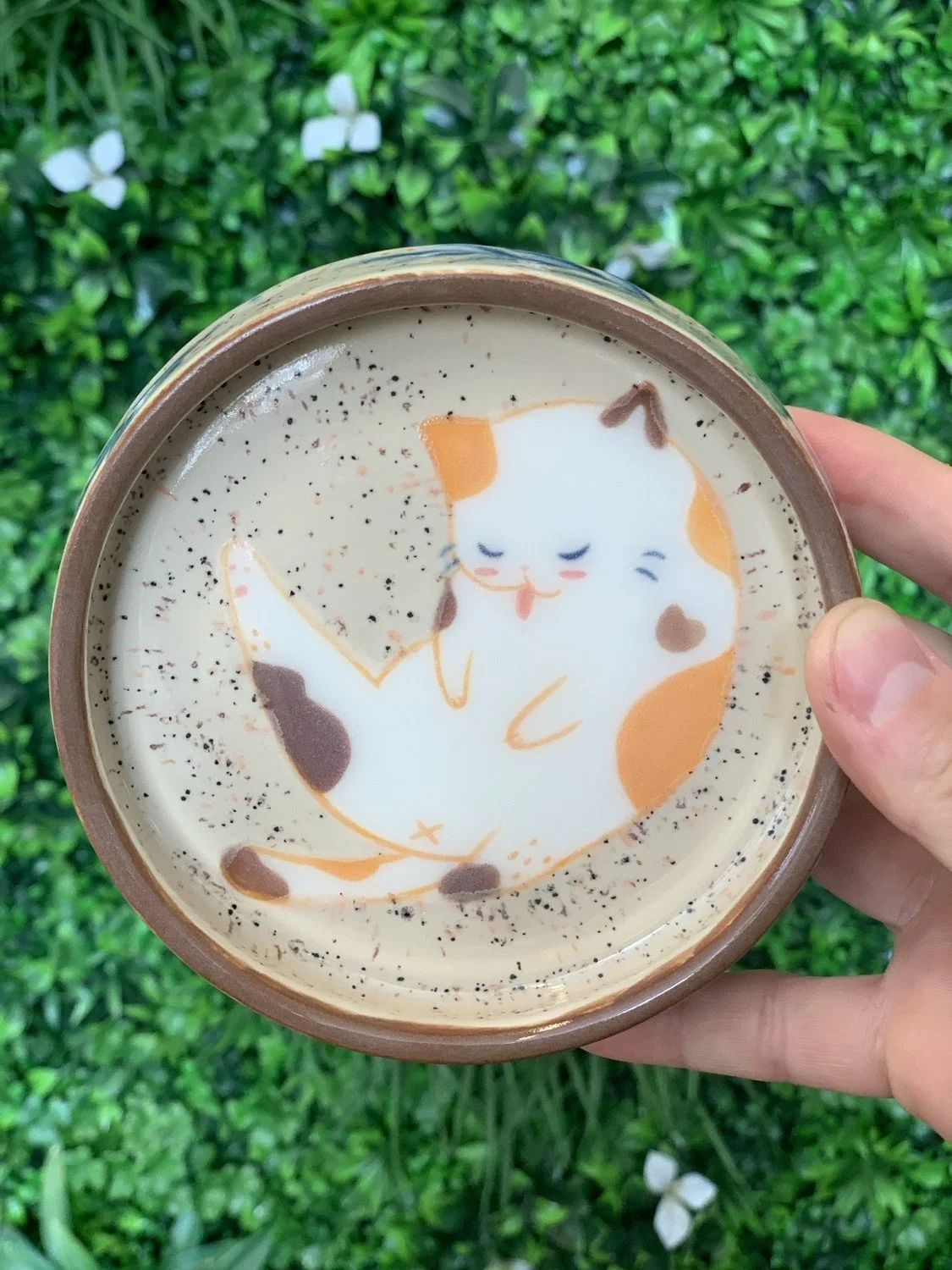
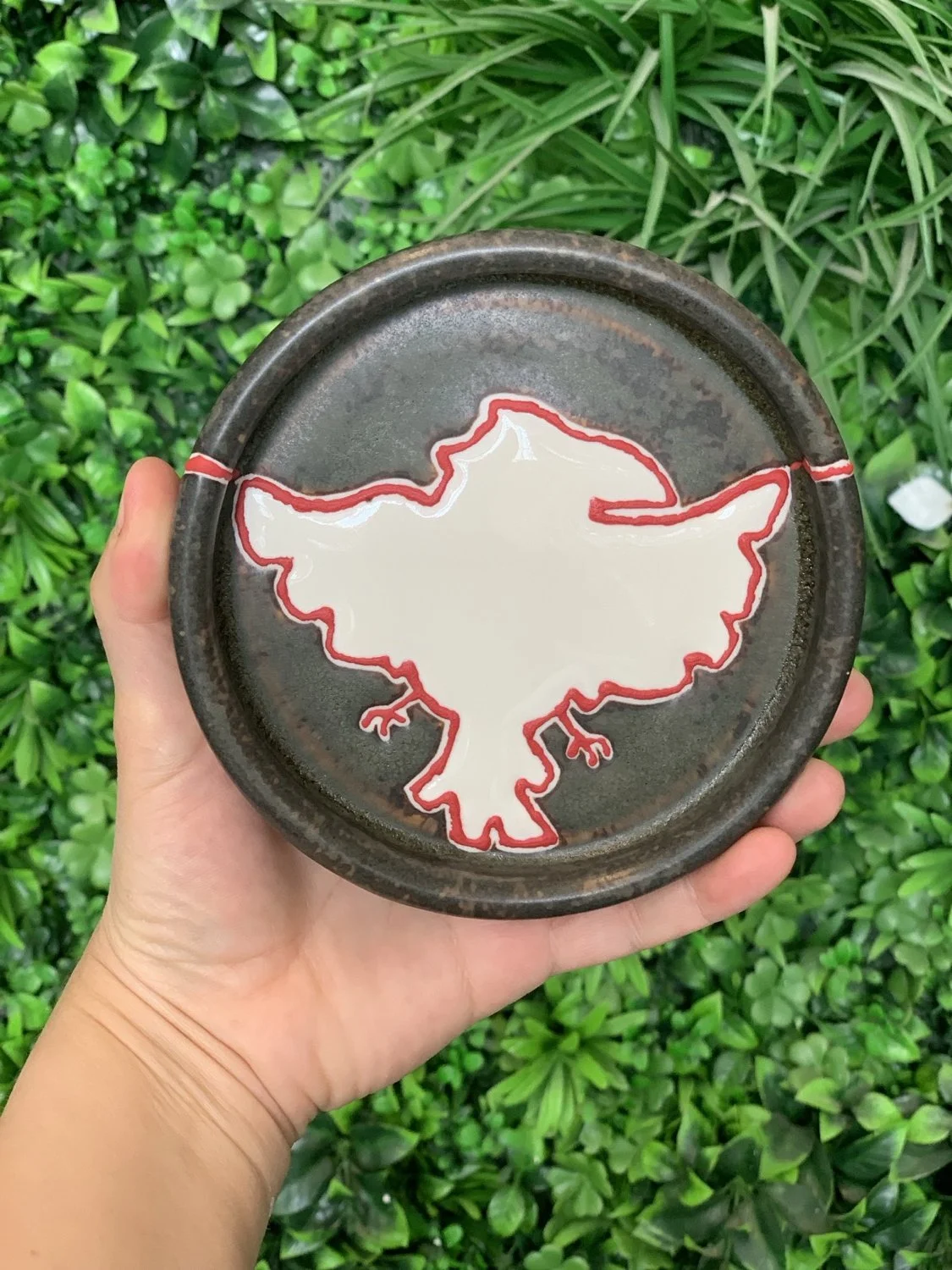
WAX RESIST FOR GLOSSY AND MATTE EFFECT GALLERY
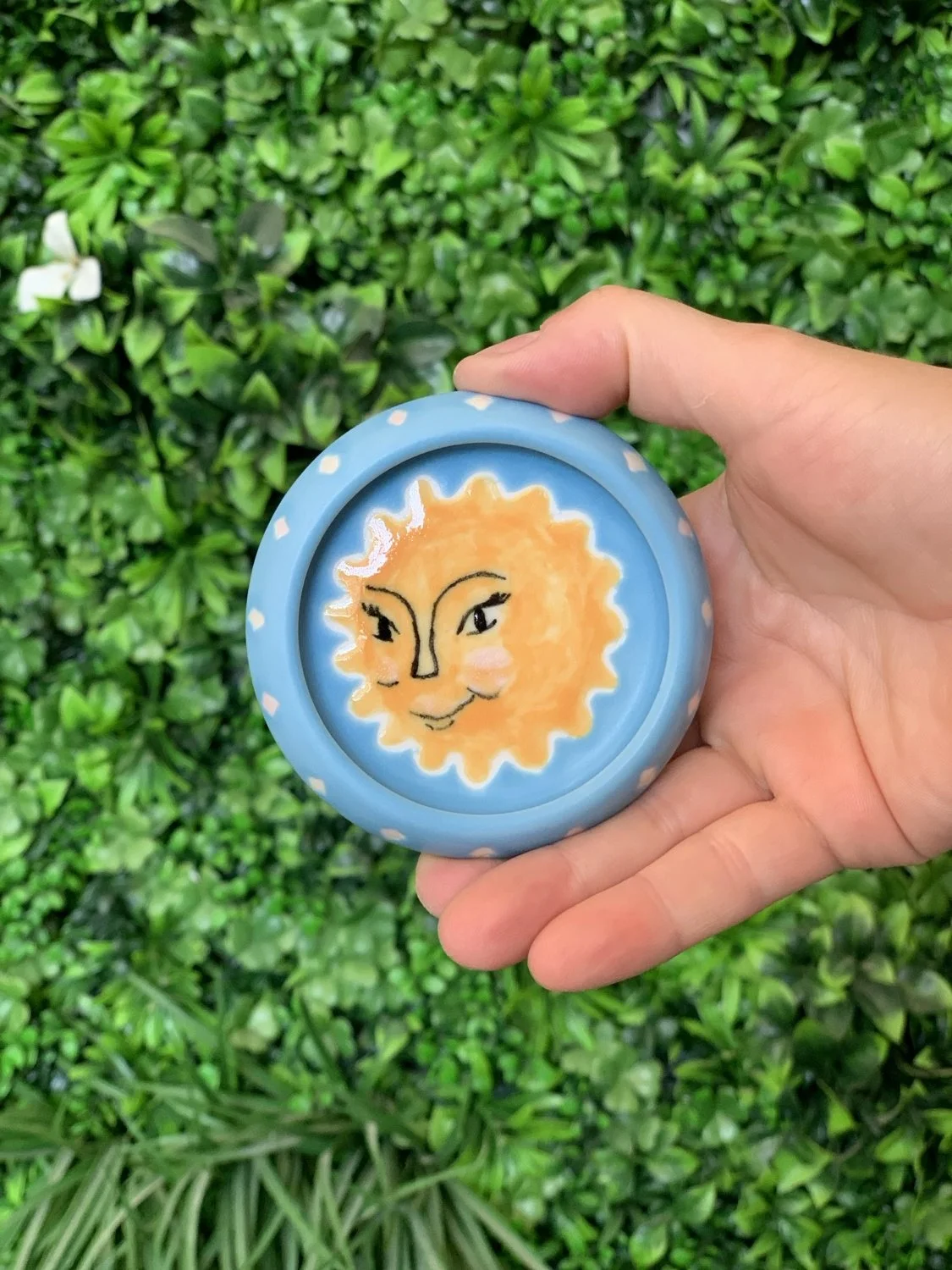
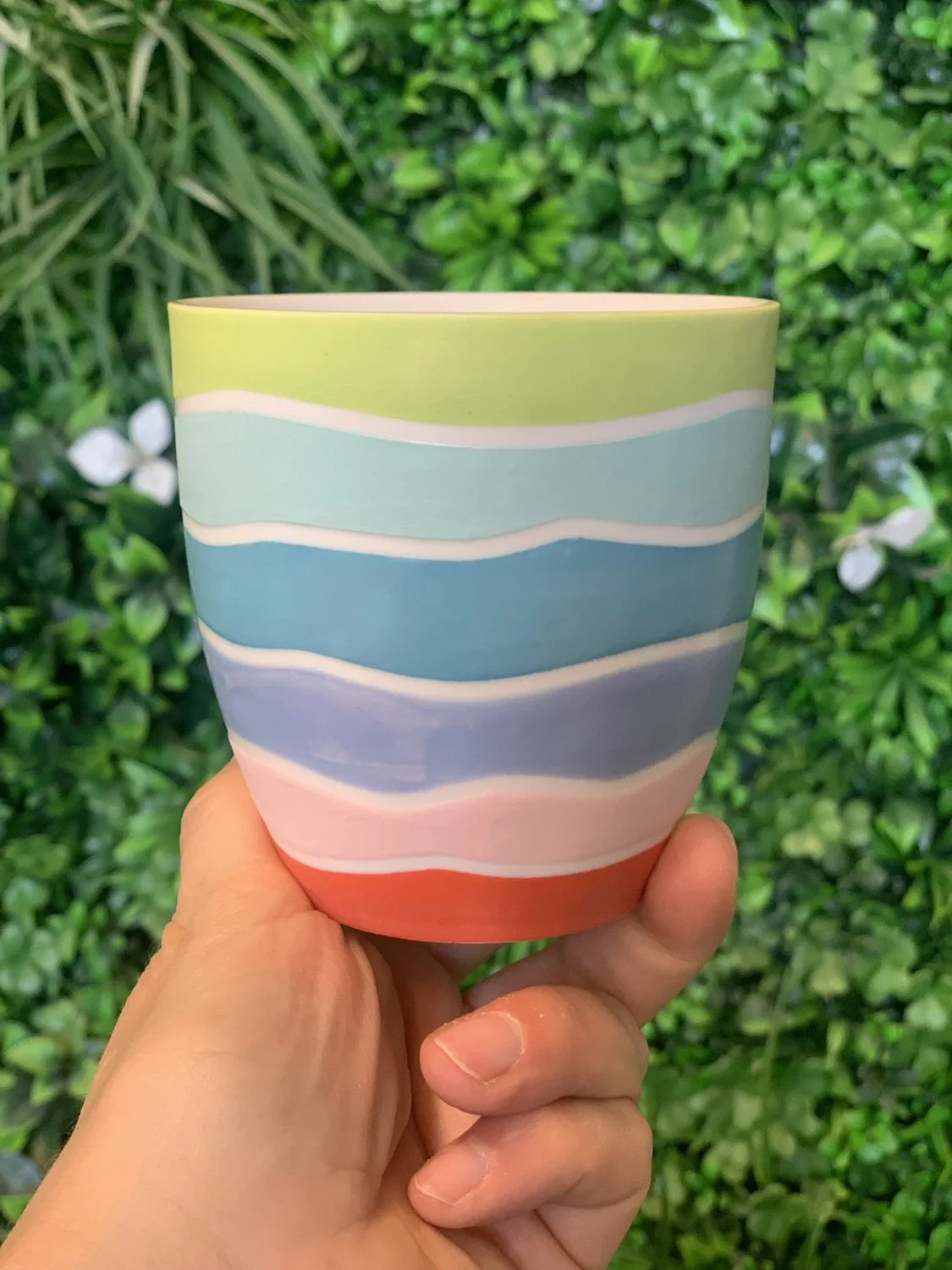
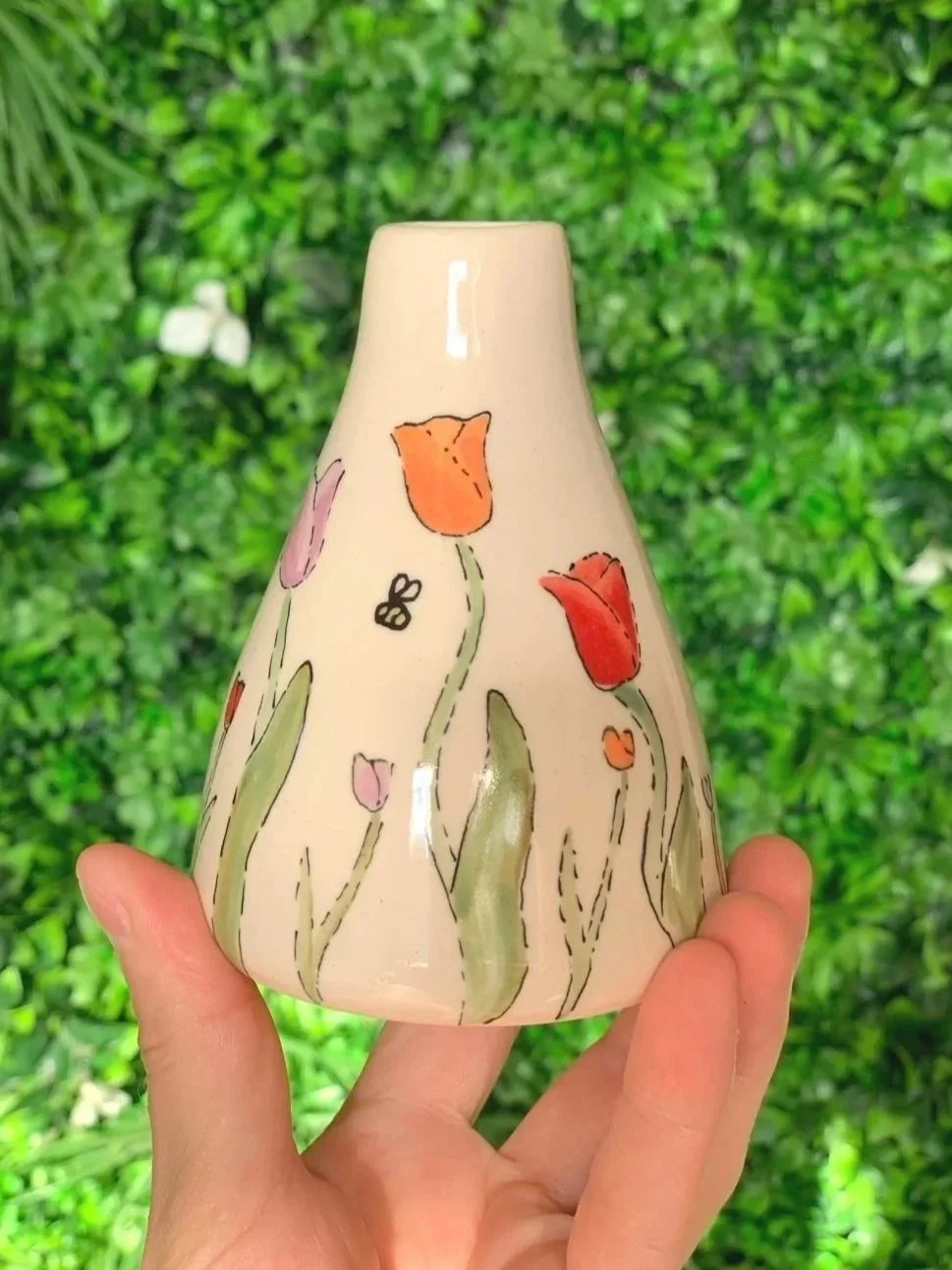
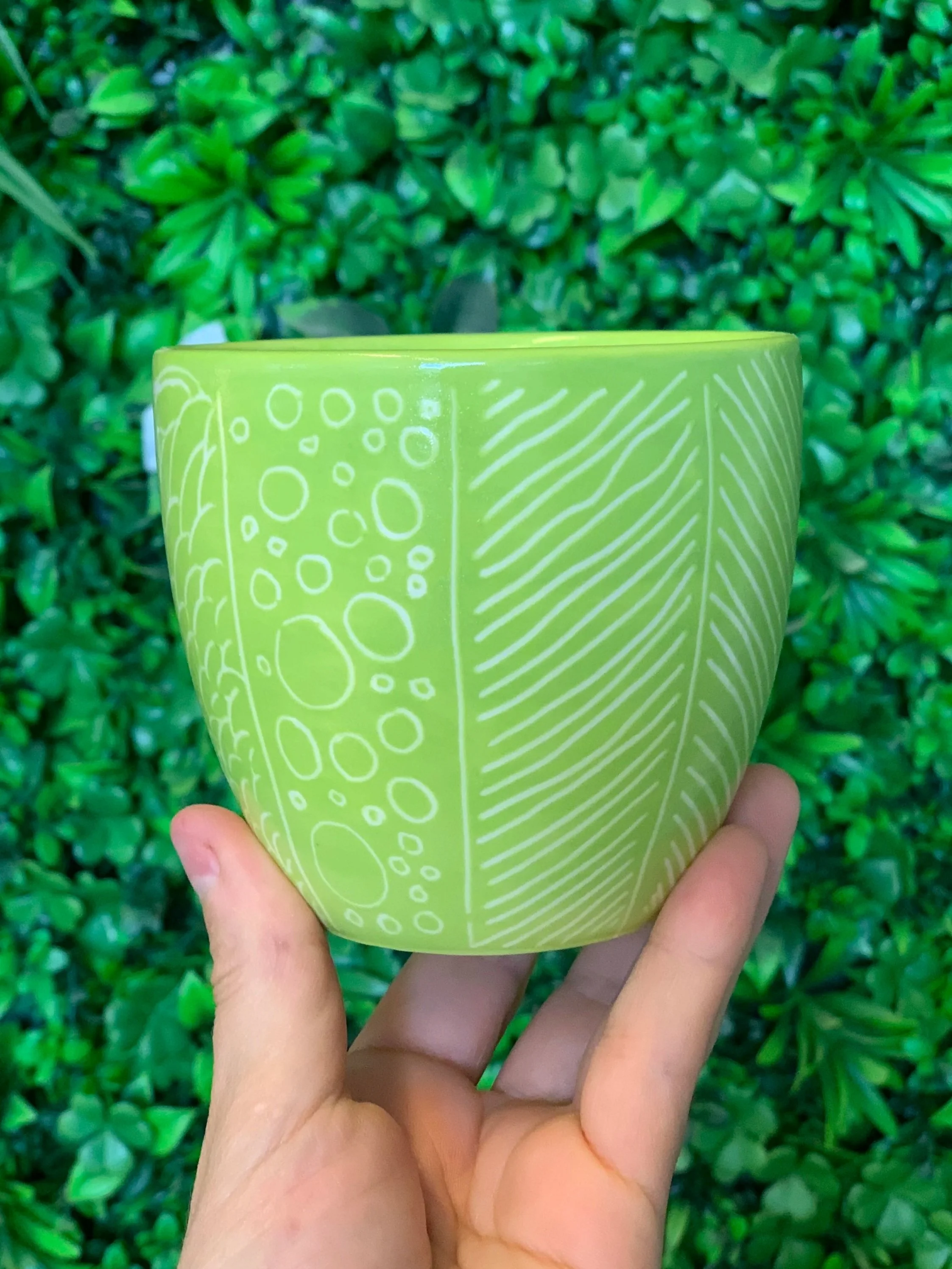
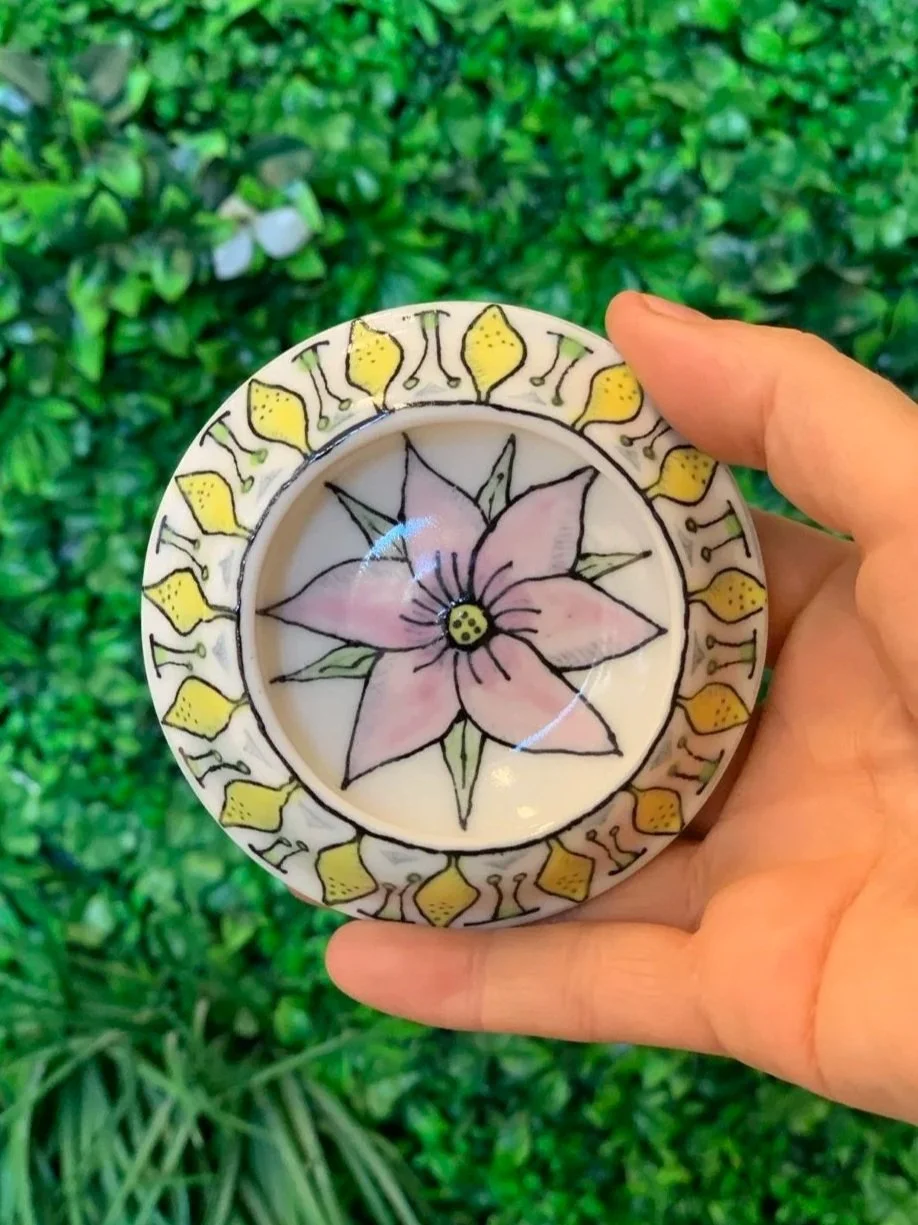
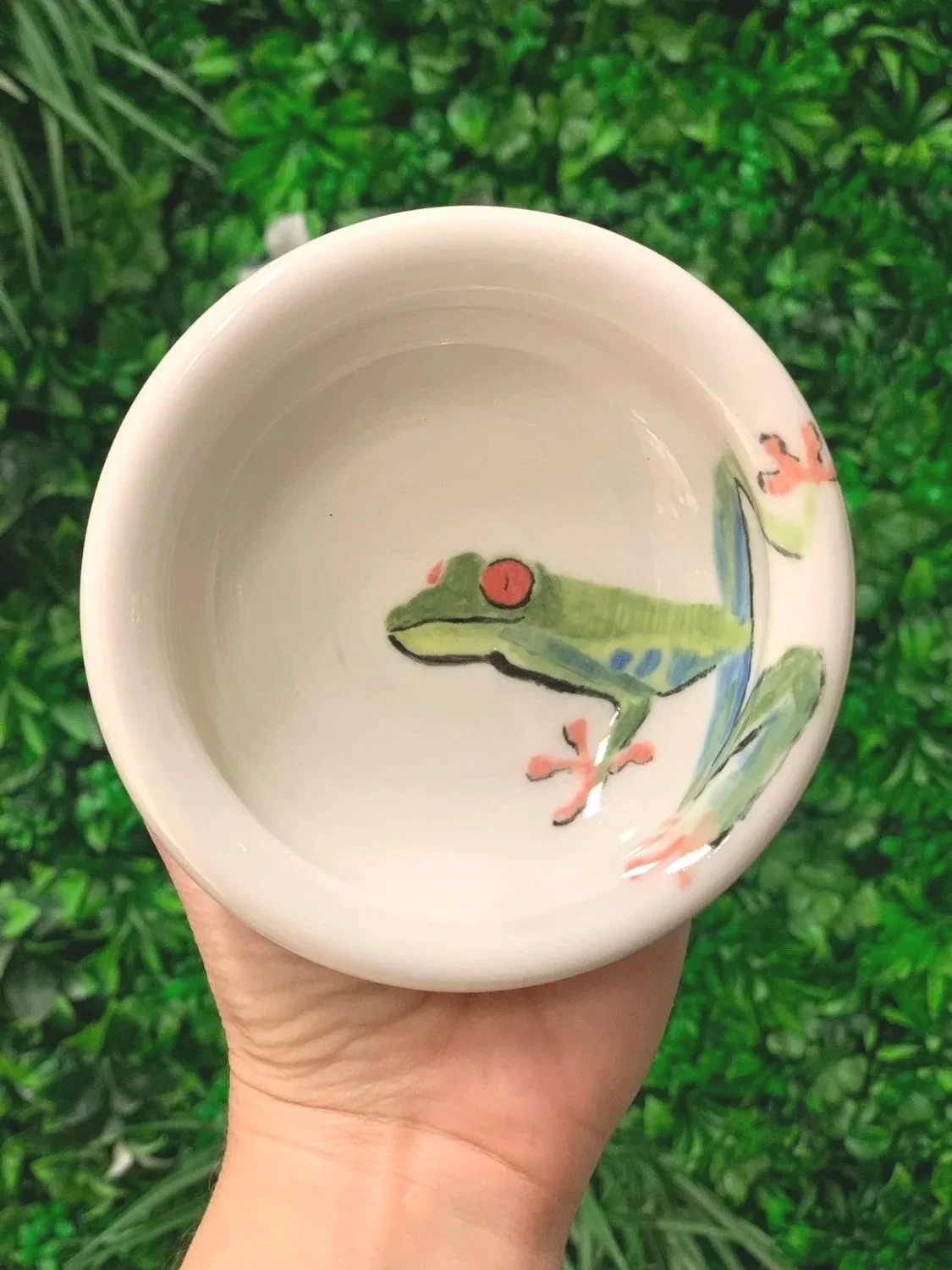
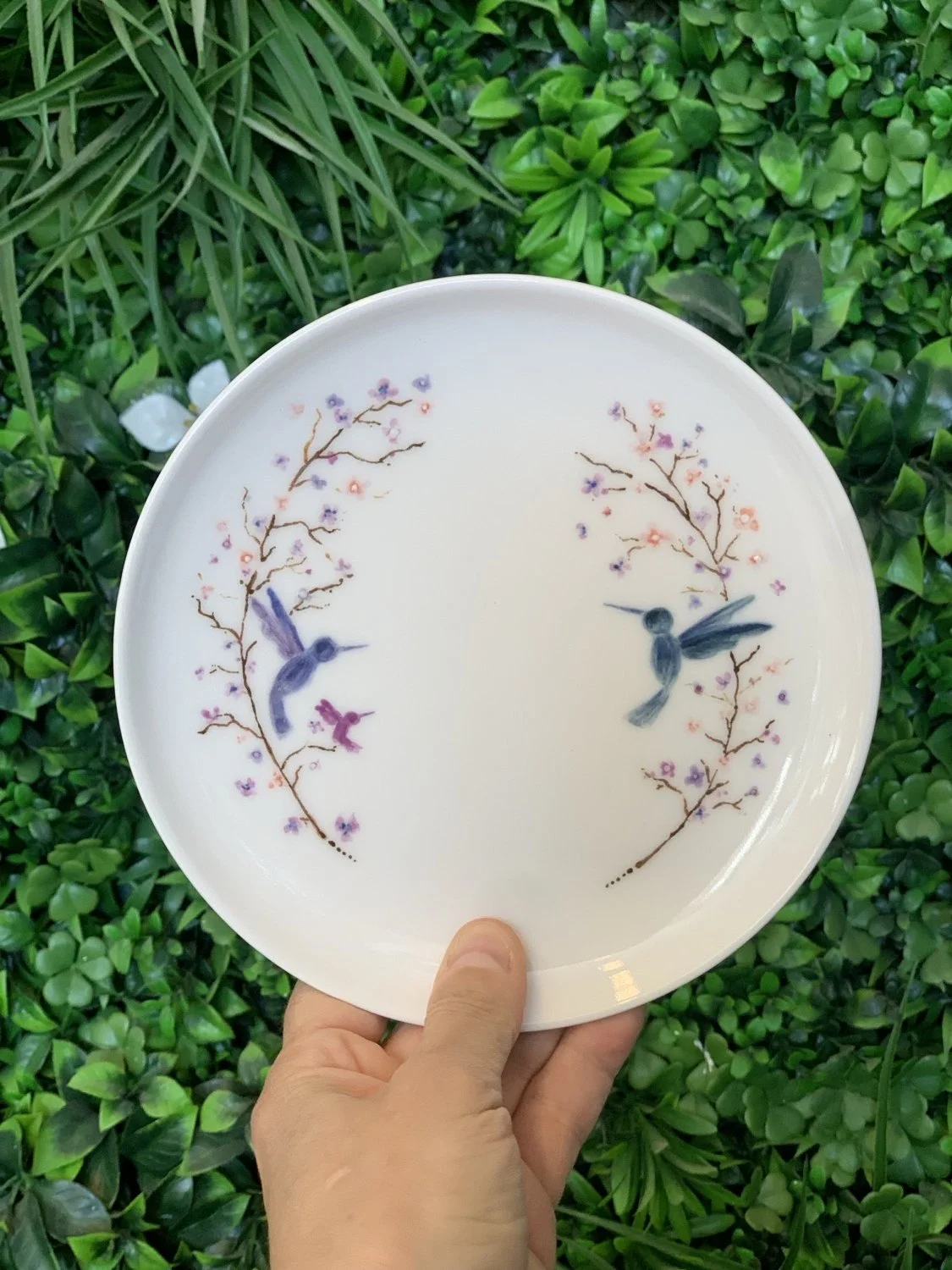
All paintings below can be done using underglazes, wax resist and glazes. This technique is suitable for all levels, including beginners, but requires one underglazing workshop and at least one or two open studio sessions (three hours each) to finish it. The more complex and intricate the design, the more colors, shading, blending or waxing the design requires needs, the more area you would like to cover, the more time it takes to finish the work.
This technique creates depth by giving the design in the foreground a glossy finish and makes it really pop at first glance. You can even create a raised surface area on the design (think bubble-like surface tension on a drop of water that sits on a plate) and creates a matte texture in the background. It requires quite a bit of planning and patience so we do not recommend it for those who are looking for something quick and easy. This being said, wax resisting the work creates absolutely gorgeous and unique effects!